Chronic Liver Disease
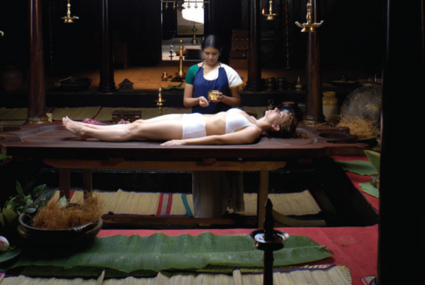
Chronic Liver Disease (CLD) encompasses a range of progressive liver disorders that impair liver function over time, often caused by alcohol abuse, hepatitis, or metabolic imbalances. In Ayurveda, the liver is linked to the Pitta dosha, and liver diseases arise from its aggravation. Treatment involves Panchakarma therapies like Virechana (therapeutic purgation) and Basti to eliminate toxins. Herbal formulations such as Bhumyamalaki, Kalmegh, and Katuki are used to rejuvenate liver cells, improve digestion, and enhance metabolism. A Pitta-pacifying diet, along with lifestyle corrections, helps reduce stress on the liver, restore its health, and prevent further damage.
Cervicitis And Vaginitis
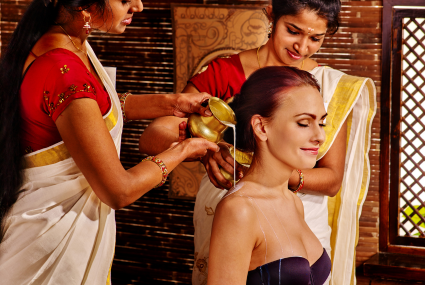
Cervicitis and Vaginitis are inflammations of the cervix and vaginal lining, often caused by infections, hormonal imbalances, or poor hygiene. Ayurveda views these conditions as an imbalance of Pitta and Kapha doshas, resulting in excess heat, discharge, and discomfort. Treatment involves detoxification through Panchakarma, herbal douches, and internal medicines like Triphala, Ashoka, and Lodhra that have antimicrobial and anti-inflammatory properties. Personalized diets and lifestyle changes are advised to strengthen immunity and reproductive health. Ayurvedic practices also emphasize maintaining genital hygiene naturally, promoting long-term vaginal and cervical health while preventing recurrent infections.
Urinary Tract Infection
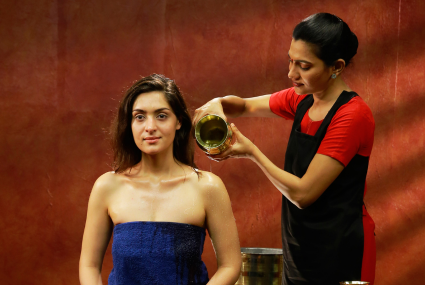
Urinary Tract Infection (UTI) is commonly linked to an imbalance of Pitta dosha, leading to symptoms like burning sensation, frequent urination, and pelvic discomfort. Ayurveda treats UTIs with herbs such as Gokshura, Punarnava, and Chandana, which possess diuretic, antibacterial, and cooling properties. Panchakarma therapies like Virechana (purgation) help eliminate toxins that aggravate the urinary system. A Pitta-pacifying diet with ample hydration, coconut water, and barley water is recommended to soothe inflammation. Personalized treatment plans also include lifestyle modifications to strengthen the urinary tract and prevent recurrent infections, ensuring holistic recovery and long-term wellness.
Ligament Injuries
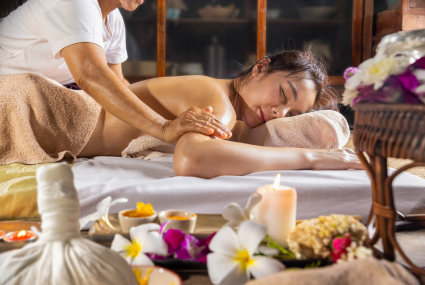
Ligament injuries, often caused by sudden twists, strains, or trauma, can lead to joint instability, swelling, and pain. Ayurveda addresses ligament damage by reducing inflammation, strengthening the connective tissues, and enhancing blood circulation to the affected area. Therapies like Abhyanga (herbal oil massage), Pizhichil, and Njavarakizhi are used to nourish tissues and accelerate repair. Internal herbal formulations such as Ashwagandha, Guggulu, and Shallaki aid in reducing pain and improving flexibility. Panchakarma detoxification may also be recommended to remove toxins and support holistic recovery. Dietary guidance and therapeutic yoga enhance rehabilitation and prevent further injuries.
Diabetic Retinopathy
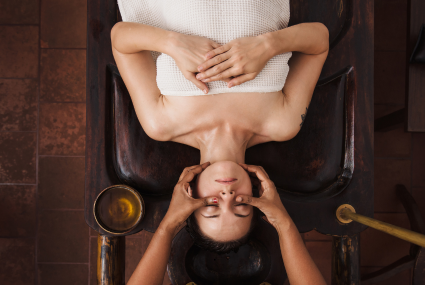
Diabetic Retinopathy is a diabetes-related complication that damages the retina's blood vessels, leading to vision impairment or blindness if untreated. In Ayurveda, this condition is linked to Prameha (diabetes) causing Rakta (blood) and Pitta imbalances, affecting the eyes. Treatments focus on systemic diabetes control with herbal formulations, rejuvenative therapies like Rasayana, and specialized eye treatments such as nourish the optic nerves. Panchakarma procedures detoxify the body, improving circulation and retinal health. A tailored diet and lifestyle regimen further supports holistic management and slows disease progression.
Occupational Disorder
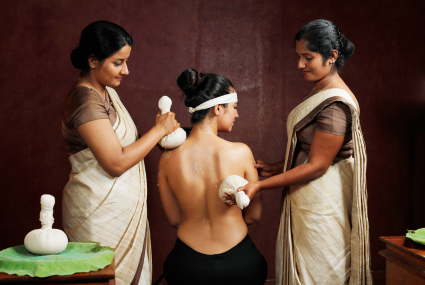
Occupational disorders arise from repetitive work patterns, poor posture, prolonged sitting, or mental stress, leading to conditions like back pain, neck stiffness, carpal tunnel syndrome, and anxiety. Ayurveda approaches these disorders by identifying the imbalances in Vata, Pitta, and Kapha doshas caused by lifestyle and work habits. Treatments include Panchakarma detoxes,Abhyanga (therapeutic oil massage), Kizhi (herbal pouch therapy), Shirodhara(continuous oil pouring on forehead), and stress-relieving therapies combined with yoga and meditation. Tailored dietary recommendations and ergonomic advice help prevent recurrence, promoting physical flexibility, mental clarity, and holistic well-being for sustainable work-life balance
Diabetic Ulcers
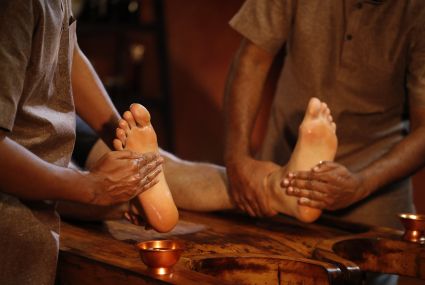
Diabetic ulcers are chronic wounds commonly seen in individuals with uncontrolled diabetes, resulting from poor circulation, nerve damage, and high blood sugar levels. Ayurveda treats diabetic ulcers holistically by balancing Kapha and Pitta doshas, purifying the blood, and strengthening metabolic function. Internal herbal formulations like Guduchi, Turmeric, and Neem help control blood sugar and prevent infections. Externally, medicated oils, herbal pastes, and wound cleansing therapies like Vrana Shodhana and Ropana accelerate healing and tissue regeneration. Alongside treatments, dietary modifications and lifestyle corrections are advised to maintain optimal blood sugar and support overall healing.
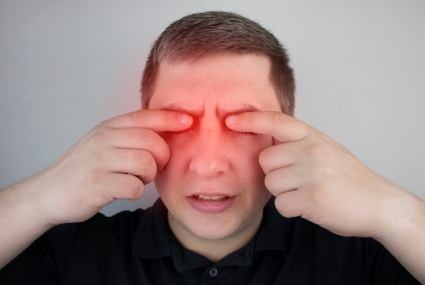
Uveitis
Uveitis is an inflammatory condition affecting the uveal tract of the eye, often causing redness, pain, blurred vision, and sensitivity to light. In Ayurveda, Uveitis is primarily linked to aggravated Pitta dosha leading to ocular inflammation. Treatment involves Shodhana (detoxification) through Panchakarma therapies like Virechana (purgation) to cleanse the system, followed by Shamana (pacifying) treatments using anti-inflammatory and immune-modulating herbs. Local eye treatments such as Netra dhara and Aschyotana (eye drops) are used to soothe and nourish the eyes. Ayurvedic care aims to reduce recurrence, control symptoms, and preserve vision naturally.
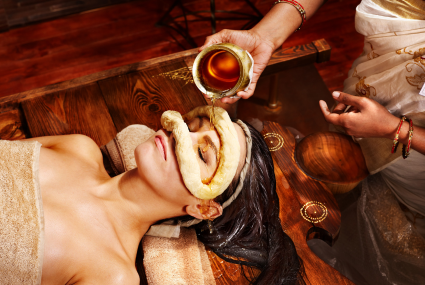
Glaucoma
Glaucoma is a progressive eye condition characterized by increased intraocular pressure, which can damage the optic nerve and lead to vision loss. In Ayurveda, it is linked to an imbalance of Vata and Pitta doshas affecting ocular channels. Ayurvedic treatment involves detoxification through Panchakarma, particularly Virechana (purgation), to eliminate toxins. Ayurvedic therapies like shirodhara, thalapidichal, talam, Netra Tarpana (eye rejuvenation), and Nasya help nourish and strengthen optic nerves. Herbal formulations with neuroprotective and pressure-regulating properties are used alongside lifestyle and dietary guidance. Regular practice of stress-reducing techniques like yoga and meditation further supports overall eye health and slows disease progression.
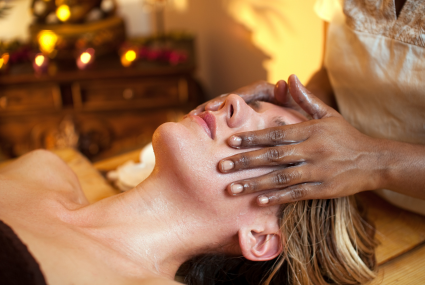
Macular Edema
Macular Edema occurs when fluid builds up in the macula, the central part of the retina, leading to blurred or distorted vision. Ayurveda links this condition to imbalances in Pitta and Kapha doshas, affecting ocular health and fluid metabolism. Treatment includes detoxification through Panchakarma, herbal formulations that enhance retinal function, and therapies to nourish the optic tissues. Diet modifications, lifestyle adjustments, and rejuvenative therapies (Rasayana) help restore balance, reduce inflammation, and protect vision. Ayurveda’s comprehensive approach addresses the root cause and promotes long-term retinal health.
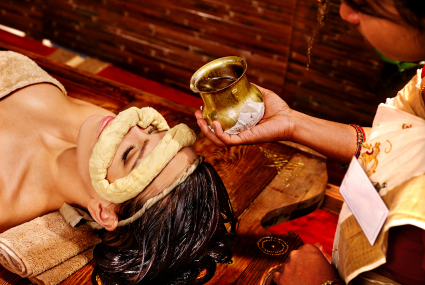
Central Serous Retinopathy
Central Serous Retinopathy (CSR) is a retinal condition where fluid builds up under the retina, causing blurred or distorted vision. Ayurveda attributes CSR to aggravated Pitta dosha, leading to inflammation and fluid leakage in the retinal layers. Treatment focuses on cooling and balancing Pitta through detoxification therapies like Virechana (purgation) and Nasya (nasal cleansing). Herbal medicines with anti-inflammatory and antioxidant properties are prescribed to strengthen the retinal tissues, and additionally, therapies that nourish and rejuvenate the eyes. Lifestyle modifications, stress management, and dietary changes are integral to preventing recurrence and restoring ocular health naturally.
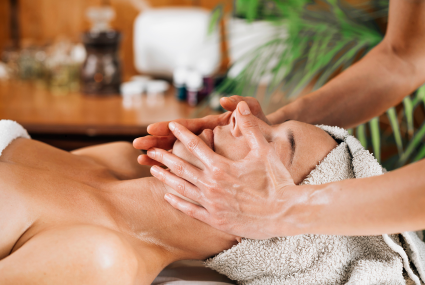
Allergic Rhinitis
Allergic Rhinitis, characterized by sneezing, nasal congestion, and a runny nose, is understood in Ayurveda as an imbalance of Kapha and Vata doshas, often triggered by seasonal changes and weak immunity. Ayurvedic management includes Panchakarma detox procedures like Vamana (therapeutic emesis) and Nasya (nasal oil administration) to clear accumulated mucus and allergens. Herbal formulations such as Haridra (turmeric), Trikatu, and Sitopaladi help reduce inflammation and hypersensitivity. Diet and lifestyle modifications are recommended to avoid allergens and strengthen immunity. This holistic approach not only alleviates symptoms but also addresses the root cause, ensuring sustainable recovery.
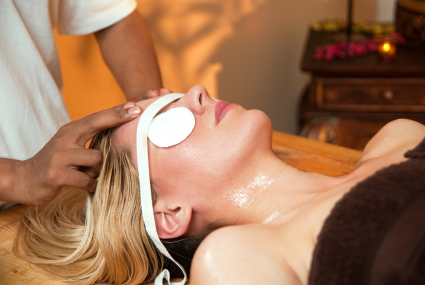
Dry Eyes
Dry Eyes, caused by insufficient tear production or poor tear quality, leads to irritation, redness, and vision discomfort. Ayurveda considers it a result of aggravated Vata and Pitta doshas affecting ocular tissues. Treatments focus on internal nourishment using medicated ghee and herbs like Triphala, along with external therapies such as Netra Tarpana—a procedure where medicated ghee is retained over the eyes to deeply hydrate and rejuvenate them. Dietary guidance, eye exercises, and lifestyle corrections further help in maintaining eye lubrication, reducing strain, and enhancing overall visual health.
Age-related Macular Degeneration
Age-Related Macular Degeneration (AMD) is a progressive eye condition that affects central vision due to deterioration of the macula, commonly occurring with aging. In Ayurveda, AMD is associated with Vata and Pitta imbalances that weaken ocular tissues. Treatment focuses on nourishing the eyes through Rasayana (rejuvenation), detoxification via Panchakarma, and therapies like Netra Tarpana (medicated ghee retention over the eyes) (in dry macular degeneration) to restore eye vitality. Herbal formulations rich in antioxidants help protect retinal cells, while dietary modifications and yoga practices improve circulation and reduce oxidative stress, supporting better eye health and slowing the progression of degeneration.
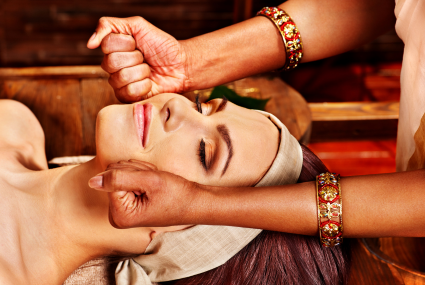
Tinnitus
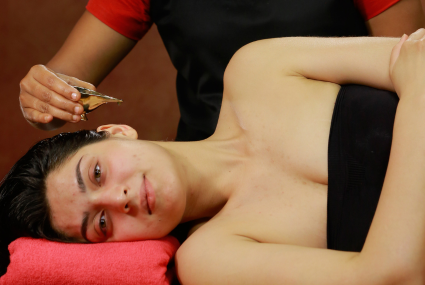
Tinnitus, characterized by persistent ringing or buzzing in the ears, is often linked to Vata imbalance and nervous system disturbances in Ayurveda. Treatment involves pacifying Vata through therapies like Nasya (nasal administration of medicated oils) and Karna Purana (therapeutic ear oiling) to nourish and strengthen auditory nerves. Herbal formulations such as Brahmi, Ashwagandha, and Yashtimadhu aid in calming the nervous system. Panchakarma detoxification, stress management practices like meditation, and dietary adjustments further help reduce symptoms. Ayurveda aims for a holistic balance to restore ear health and naturally minimize tinnitus discomfort.
Hearing Loss
Hearing loss in Ayurveda is often linked to imbalances in the Vata dosha, affecting the auditory pathways and nervous system. Ayurvedic treatments focus on rejuvenating ear functions through Karna Purana (medicated oil therapy for ears) and Nasya (nasal therapies), which help nourish and strengthen the nerves. Herbal formulations like Brahmi, Ashwagandha, and Yashtimadhu improve nerve conductivity and cognitive health. Panchakarma detox procedures help eliminate toxins that may impair hearing. Alongside lifestyle and dietary recommendations, Ayurveda offers a holistic approach to managing and slowing the progression of hearing loss naturally.
Geriatric Care
Geriatric care involves comprehensive support for older adults to manage age-related physical, mental, and emotional changes. Common concerns include reduced immunity, joint stiffness, muscle weakness, memory decline, sleep disturbances, cardiovascular issues, and increased susceptibility to infections and chronic diseases. In Ayurveda, aging is seen as a natural process of Vata predominance, leading to degeneration of Dhatus, depletion of Ojas, and weakening of vital systems. This results in fatigue, reduced strength, cognitive decline, and slower healing. Maintaining tissue health, balancing Vata, and rejuvenating the body are central to geriatric care. Ayurvedic management focuses on Rasayana (rejuvenation) therapies, Panchakarma, and nourishment of tissues. Vasti (medicated enema therapy) is particularly beneficial for balancing Vata, supporting nervous and musculoskeletal health, and improving digestion. Abhyanga (medicated oil massage), Shirodhara, Pizhichil, and Shashtika Shali Pinda Sweda (Njavarakizhi) help improve circulation, reduce stiffness, strengthen muscles, and calm the mind. Internal herbal support which help enhance immunity, strengthen bones and muscles, support cognitive function, and improve vitality. Diet should be light, warm, nourishing, and easy to digest, with emphasis on ghee, milk, soups, whole grains, nuts, and fresh fruits. Avoid processed, cold, dry, and heavy foods that aggravate Vata. Lifestyle practices include gentle yoga, pranayama, meditation, regular but moderate exercise, adequate sleep, stress management, and maintaining a structured daily routine. Social engagement and mental stimulation are also important for emotional and cognitive well-being. This holistic Ayurvedic approach integrating Panchakarma, herbal therapies, diet, lifestyle modifications, and gentle exercise helps in strengthening the body and mind, improving immunity, slowing the aging process, and enhancing overall quality of life in elderly individuals.
Lupus Erythematus Management
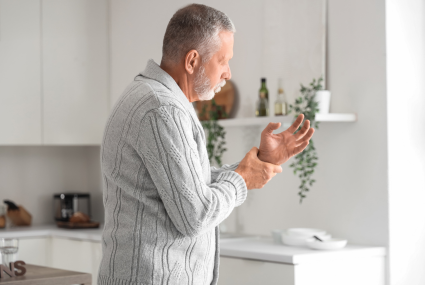
Lupus Erythematosus is a chronic condition that can affect multiple systems in the body. Common symptoms include skin rashes (especially over the face), joint pain, fatigue, fever, hair loss, and sensitivity to sunlight. In some cases, it may also affect organs like kidneys, heart, or lungs. From an Ayurvedic perspective, this condition is understood as a disorder involving Rakta Dhatu (blood tissue) along with imbalance of Pitta dosha (causing inflammation and heat) and Vata dosha (causing pain and systemic involvement). The immune system imbalance can be compared to Dhatu Dushti, where the body starts reacting against its own tissues. Improper diet, stress, exposure to heat, irregular routines, and weak digestion (Agni) contribute to the formation of Ama (toxins). These toxins mix with Rakta (blood) and circulate in the body, leading to inflammation, skin manifestations, and joint symptoms. Management in Ayurveda focuses on controlling inflammation, detoxifying the body, and restoring balance. A cooling and easily digestible diet is recommended to reduce Pitta. Avoiding triggers such as excessive sun exposure, spicy foods, and stress is very important. Detoxification therapies play a key role in management. Snehapanam (internal oleation therapy) helps mobilize toxins, followed by Virechanam (therapeutic purgation) which is especially effective in eliminating excess Pitta and purifying the blood. These therapies help reduce inflammation and control disease progression. Supportive treatments like Abhyanga (gentle medicated oil massage) help reduce joint pain and improve circulation. Shirodhara may be beneficial in reducing stress and calming the nervous system, which plays a role in autoimmune conditions. Long-term care includes strengthening the body through Rasayana (rejuvenation therapy), maintaining a healthy lifestyle, proper sleep, and stress management through yoga and meditation. With a consistent and well-guided Ayurvedic approach, symptoms can be managed effectively, flare-ups can be reduced, and overall quality of life can be improved.
Sarcopenia
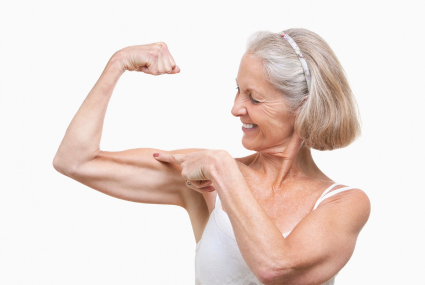
Sarcopenia is a progressive condition in which a person experiences a gradual decline in muscle mass and strength. It is commonly seen in older adults but may also occur due to physical inactivity, poor nutrition, chronic illness, or prolonged bed rest. Common symptoms include muscle weakness, fatigue, reduced endurance, slow movement, poor balance, and difficulty performing daily activities such as climbing stairs, lifting objects, or standing up from a seated position. Over time, sarcopenia can affect independence and increase the risk of falls and injuries. In Ayurveda, this condition is generally understood as a depletion or weakening of Mamsa Dhatu (muscle tissue) along with aggravation of Vata dosha. When digestion and metabolism (Agni) are weak, the body is unable to properly nourish and maintain healthy tissues, leading to gradual muscle loss and reduced physical strength. Ayurvedic management focuses on strengthening and nourishing the body, improving digestion, and promoting healthy tissue regeneration. Treatment may include a nutrient-rich and protein-supportive diet, strengthening herbal formulations, and regular physical activity such as yoga or resistance exercises to maintain muscle strength. Therapies such as Abhyanga (medicated oil massage) help nourish muscles and calm Vata, while Swedana (therapeutic sweating) improves circulation and relieves stiffness. Basti (medicated enema therapy) is considered beneficial for balancing Vata and supporting tissue nourishment. Adequate rest, proper nutrition, and regular strengthening exercises play an important role in maintaining muscle health and preventing further muscle loss.
Long COVID Symptoms Management
Long COVID occurs when individuals continue to experience symptoms weeks or months after initial recovery from COVID-19. It can affect multiple systems, including respiratory, nervous, musculoskeletal, and digestive systems, leading to significant impact on quality of life. Common symptoms include fatigue, breathlessness, dry cough, chest heaviness, body and joint pains, brain fog, memory issues, sleep disturbances, digestive complaints, and emotional imbalance such as anxiety or low mood. In Ayurveda, Long COVID is understood as Vata-Kapha imbalance with weakened Agni (digestive fire) and accumulation of Ama (toxins), resulting in reduced immunity, impaired tissue function, and delayed recovery. Ojas depletion contributes to fatigue, weakness, and susceptibility to infections. Ayurvedic management focuses on detoxification, strengthening the body, and restoring immunity. Panchakarma therapies such as Virechana (therapeutic purgation), Vasti (medicated enema therapy), and gentle Swedana (steam therapy) help eliminate toxins, balance doshas, and rejuvenate tissues. Abhyanga (medicated oil massage) and Pizhichil (oil dripping therapy) improve circulation, reduce muscle stiffness, and enhance overall strength. Internal herbal support, which help boost immunity, reduce inflammation, and improve respiratory and nervous system function. Diet should be warm, light, and nourishing, emphasizing soups, easily digestible grains, cooked vegetables, and herbal decoctions. Avoid cold, heavy, processed, and oily foods that can aggravate Kapha and Vata. Adequate hydration is essential. Lifestyle practices include gentle breathing exercises and pranayama, light yoga, gradual physical activity, sufficient rest, stress management, and maintaining a daily routine to support recovery. Emotional support and mindfulness practices are also important for mental well-being. This holistic Ayurvedic approach integrating Panchakarma, herbal therapies, diet, and lifestyle modifications aims to restore strength, improve immunity, relieve lingering symptoms, and enhance overall quality of life in individuals recovering from Long COVID.

Vocal Cord Cysts
Vocal cord cysts are benign growths that affect voice quality, causing hoarseness, strain, or voice fatigue. In Ayurveda, this condition is linked to an imbalance in Kapha and Vata doshas, leading to blockages and tissue growth. Treatment focuses on detoxification through Panchakarma, along with internal herbal medications that reduce inflammation and dissolve cysts. Local therapies like Kavala (gargling with medicated decoctions), Gandoosha (oil pulling), and medicated steam help cleanse and strengthen the throat. A personalized diet, voice rest, and lifestyle changes further support recovery and vocal rejuvenation.
Rheumatoid Arthritis
Rheumatoid Arthritis (RA) is a chronic autoimmune disorder characterized by joint pain, swelling, stiffness, and fatigue. Ayurveda identifies RA as "Amavata," caused by the accumulation of toxins (Ama) and vitiated Vata dosha. Treatment focuses on eliminating toxins through Panchakarma therapies like Virechana (purgation) and Basti (medicated enemas). Herbal formulations such as Guggulu and Shallaki help reduce inflammation and strengthen joints. Customized diets and lifestyle adjustments prevent further toxin buildup. Therapies like Abhyanga (oil massage) and Swedana (herbal steam therapy) relieve pain and improve mobility. Ayurveda's holistic approach promotes joint health, boosts immunity, and enhances overall well-being.
Chronic Fatigue Syndrome Treatment
Chronic Fatigue Syndrome is a long-term condition marked by extreme fatigue, muscle and joint pain, sleep disturbances, brain fog, headaches, and post-exertional malaise. Symptoms persist for months or years and are often triggered or worsened by physical or mental stress. In Ayurveda, CFS is viewed as Ojas depletion caused by aggravated Vata and Pitta doshas and impaired Agni (digestive fire). The accumulation of Ama (toxins) further hampers metabolism, tissue nourishment, and energy production, resulting in persistent fatigue, weakness, and poor immunity. Ayurvedic management focuses on pacifying Vata and Pitta, nourishing tissues, and improving vitality. Panchakarma therapies such as Vasti (medicated enema therapy), Abhyanga (medicated oil massage), Pizhichil (oil dripping therapy), and Shirodhara help balance doshas, reduce stress, enhance circulation, and restore strength. Swedana (steam therapy) may relieve muscle stiffness and improve energy flow. Internal herbal support which help boost stamina, improve immunity, support the nervous system, and reduce fatigue. Rasayana therapies like Chyawanprash or Medhya Rasayanas may be used for long-term rejuvenation. Diet should be warm, nourishing, and easily digestible, including ghee, milk, soups, whole grains, and light proteins. Avoid cold, dry, processed, and heavy foods that can aggravate Vata and impair digestion. Adequate hydration is important. Lifestyle practices include gentle yoga, pranayama, stress management, adequate sleep, pacing of physical activity, and maintaining a consistent daily routine. Mental relaxation and meditation help improve energy and reduce fatigue. This holistic Ayurvedic approach integrating Panchakarma, herbal therapies, diet, and lifestyle modifications helps in reducing fatigue, improving stamina, nourishing tissues, and restoring overall physical and mental balance in individuals with Chronic Fatigue Syndrome.
Hoarseness Of Voice
Hoarseness of voice, often caused by inflammation, strain, or infections of the vocal cords, is addressed in Ayurveda by identifying the imbalance of Vata and Pitta doshas. Treatments include internal herbal formulations that soothe the throat, reduce inflammation, and strengthen the respiratory tract. Therapies like Kavala (gargling), Gandoosha (oil pulling), and medicated steam inhalation are prescribed to cleanse and moisturize the throat. A specialized diet, voice rest, and lifestyle adjustments complement the healing process. Ayurveda aims not only to relieve hoarseness but also to rejuvenate the vocal cords for lasting vocal health.
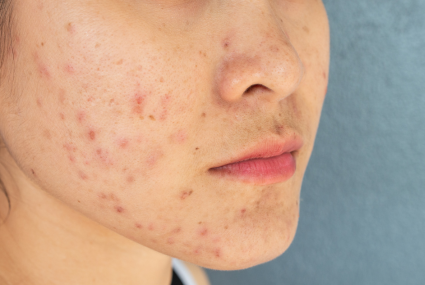
Lupus Erythematosus Management
Lupus Erythematosus is a long-term autoimmune disease in which the body’s immune system mistakenly attacks healthy tissues. This leads to widespread inflammation that can affect multiple organs, including the skin, joints, kidneys, heart, lungs, and nervous system. Common symptoms include persistent fatigue, joint pain and swelling, skin rashes (often appearing as a butterfly-shaped rash across the cheeks and nose), sensitivity to sunlight, fever, hair loss, and mouth ulcers. Some individuals may also experience kidney problems, chest pain, or neurological symptoms depending on the organs involved. The severity of lupus can vary from mild to severe, and symptoms may occur in cycles with periods of flare-ups followed by remission. Stress, infections, excessive sun exposure, hormonal changes, and irregular lifestyle habits can sometimes trigger or worsen symptoms. In Ayurveda, conditions like Lupus Erythematosus are generally understood as disorders involving Pitta and Vata imbalance, along with impurities in Rakta Dhatu (blood tissue) and the accumulation of toxins (Ama). Disturbance of digestion and metabolism can contribute to the development and aggravation of such systemic inflammatory conditions. Ayurvedic management focuses on balancing the doshas, purifying the blood, strengthening digestion, and improving overall immunity. Treatment may include a cooling and anti-inflammatory diet, herbal medicines that support immune balance, and lifestyle practices that reduce stress and inflammation. Panchakarma therapies such as Virechana (therapeutic purgation) for Pitta balance, Raktashodhana (blood purification therapies), Abhyanga (medicated oil massage), and Basti (medicated enema therapy) may be recommended based on the individual’s condition. With proper care, Ayurveda aims to reduce inflammation, support organ health, and improve overall quality of life.
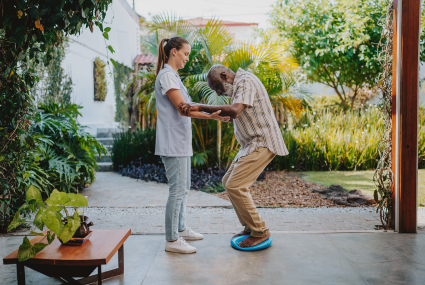
Multiple Sclerosis Management
Multiple Sclerosis is a long-term condition in which the immune system mistakenly attacks the protective covering of nerve fibers (myelin) in the brain and spinal cord. This disrupts the normal flow of nerve signals between the brain and the rest of the body, leading to a variety of neurological symptoms. Common symptoms may include muscle weakness, numbness or tingling in different parts of the body, difficulty with balance and coordination, vision problems, fatigue, muscle stiffness, and problems with concentration or memory. In some cases, symptoms may appear in episodes or flare-ups and then partially improve, while in others they may gradually progress over time. In Ayurveda, neurological conditions like Multiple Sclerosis are generally understood as disorders involving Vata imbalance, particularly affecting the Majja Dhatu (nervous tissue). When Vata becomes aggravated, it can disturb the normal functioning of the nervous system, leading to weakness, tremors, stiffness, and impaired coordination. Ayurvedic management focuses on calming Vata, nourishing the nervous system, and strengthening the body's natural resilience. Treatments may include a nourishing diet, stress reduction, adequate rest, and supportive therapies. Panchakarma procedures such as Abhyanga (medicated oil massage), Swedana (therapeutic sweating), Shirodhara, and Basti (medicated enema therapy) are often recommended to support nerve health and improve overall balance. Gentle practices like yoga, breathing exercises, and meditation can also help enhance physical and mental well-being while managing the condition.
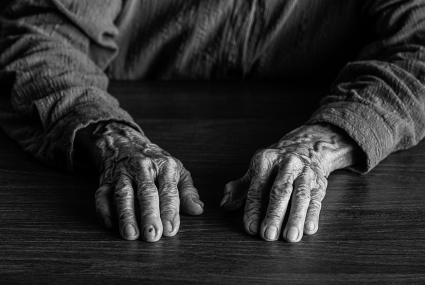
Psoriatic Arthritis
Psoriatic arthritis is a condition where joint problems occur along with skin issues like psoriasis. It can affect fingers, toes, spine, and other joints, leading to pain, swelling, and difficulty in movement. Skin symptoms include red, scaly patches, itching, and dryness. Nail changes such as pitting or discoloration may also be seen. Common causes include immune system dysfunction, stress, poor lifestyle habits, improper diet, and genetic factors. Symptoms may worsen with stress, irregular routines, and unhealthy food habits. In Ayurveda, psoriatic arthritis is understood as a disorder involving Vata dosha (causing joint pain, stiffness, and restricted movement), along with Pitta dosha (causing inflammation, redness, and burning sensation) and Kapha dosha (causing swelling and heaviness). It is also associated with Rakta Dhatu Dushti, which affects skin health. Weak digestion (Agni imbalance) leads to the formation of Ama (toxins). These toxins circulate in the body and get deposited in joints and skin, causing inflammation, pain, and scaling. Management in Ayurveda focuses on treating the root cause by improving digestion, eliminating toxins, and balancing doshas. A clean and easily digestible diet helps reduce Ama and supports healing. Avoiding trigger factors such as stress, incompatible foods, and irregular lifestyle is essential. Detoxification therapies play an important role. Snehapanam (internal oleation therapy) helps mobilize toxins, followed by Virechanam (therapeutic purgation) to eliminate excess Pitta and purify the blood. Therapies to balance Vata may also be included to relieve joint symptoms. Supportive treatments such as Abhyanga (medicated oil massage) help reduce stiffness and improve circulation, while local applications help soothe the skin and reduce scaling. Stress management through yoga, meditation, and proper sleep is also important in preventing flare-ups. With a consistent and holistic approach, psoriatic arthritis can be effectively managed, improving both joint function and skin health, and enhancing overall quality of life.
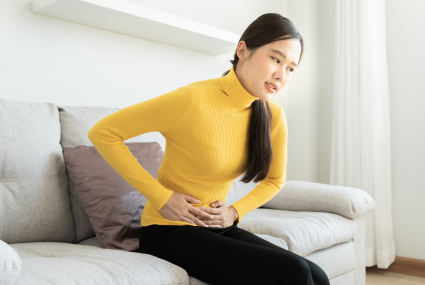
Ulcerative Colitis
Ulcerative Colitis is a chronic inflammatory condition of the colon and rectum, characterized by abdominal pain, diarrhea, rectal bleeding, and fatigue. In Ayurveda, this condition is linked to Pitta imbalance, resulting in inflammation and ulceration of the intestinal lining. Treatment focuses on pacifying Pitta through herbal formulations like Musta, Kutaja, and Bilva, which reduce inflammation and promote mucosal healing. Panchakarma therapies, especially Vasti (medicated enemas), help cleanse and rejuvenate the colon. A Pitta-soothing diet, stress management techniques such as yoga and meditation, and lifestyle adjustments further support recovery, improve gut health, and prevent recurrence of symptoms.
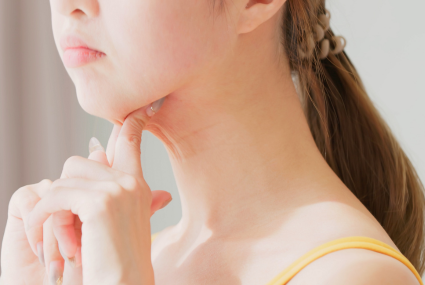
Myastenia Gravis Primary Stage
Myasthenia Gravis is a long-term autoimmune disorder in which communication between nerves and muscles becomes impaired. This leads to weakness in muscles that are responsible for voluntary movements. The condition commonly affects muscles that control eye movements, facial expressions, chewing, swallowing, and speaking, and in some cases the muscles of the arms and legs. Common symptoms include drooping eyelids, double vision, difficulty in speaking or swallowing, weakness in the arms or legs, and fatigue that worsens after activity. Muscle strength may temporarily improve with rest but can worsen again with repeated use. The severity of symptoms can vary from person to person. In Ayurveda, neuromuscular disorders like Myasthenia Gravis are often related to disturbances in Vata dosha, particularly affecting the Majja Dhatu (nervous tissue) and Mamsa Dhatu (muscle tissue). When Vata becomes aggravated, it can disturb nerve impulses and weaken muscle function. Ayurvedic management aims to balance Vata, nourish the nervous and muscular systems, and improve overall strength and vitality. Treatment may include a nourishing diet, strengthening herbal formulations, adequate rest, and stress management. Panchakarma therapies such as Abhyanga (medicated oil massage), Swedana (therapeutic sweating), Shirodhara, and Basti (medicated enema therapy) may be recommended to support nerve function and improve muscle strength. Gentle yoga, breathing