
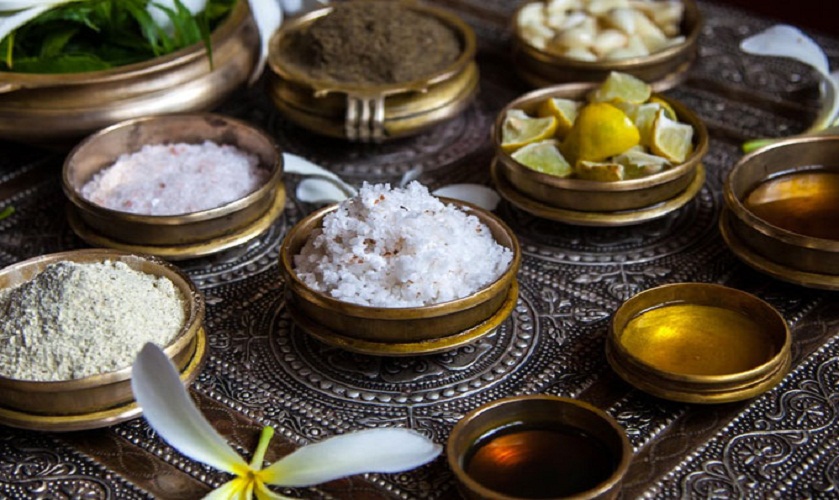
Skin Health
Healthy skin is considered a reflection of internal balance, vitality, and overall wellbeing in Ayurveda. Skin disorders often develop not only from external factors but also due to deeper imbalances involving digestion, blood purification, metabolism, immunity, stress, and toxin accumulation within the body. Modern lifestyles characterised by poor diet, stress, pollution, irregular sleep, hormonal imbalance, and excessive heat exposure have significantly increased the prevalence of chronic skin conditions such as acne, eczema, psoriasis, allergies, fungal infections, and inflammatory skin disorders. In Ayurveda, skin care and dermatology come under Kushtha Chikitsa and Twak Roga management — branches dedicated to maintaining healthy skin, blood purification, tissue nourishment, and long-term skin balance. Ayurvedic healing retreats for skin health focus on detoxification, Dosha balancing, improving digestion, purifying Rakta Dhatu (blood tissue), strengthening immunity, and restoring healthy skin naturally through Panchakarma, herbal medicine, external therapies, nutrition, and lifestyle correction. What Is Skin Health in Ayurveda? According to Ayurveda, healthy skin depends on: Balanced Vata, Pitta, and Kapha Doshas Pure Rakta Dhatu (healthy blood tissue) Strong Agni (digestive and metabolic fire) Clear body channels (Srotas) Healthy immunity and Ojas Skin (Twak) is closely connected to: Blood circulation Liver function Digestion and metabolism Hormonal balance Emotional wellbeing Pitta Dosha primarily governs skin complexion, heat, and inflammation, while Kapha supports lubrication and structure, and Vata regulates dryness, texture, and circulation. When these systems become disturbed, skin inflammation, dryness, itching, discoloration, breakouts, sensitivity, and chronic skin disorders begin to develop. Conditions Covered Under Ayurvedic Skin Health Programs Ayurvedic healing programs may support conditions including: Psoriasis support Eczema and dermatitis Acne and breakouts Allergic skin conditions Fungal infections Dry and sensitive skin Skin inflammation and redness Itching and irritation Pigmentation imbalance Stress-related skin flare-ups Chronic and recurrent skin disorders Why Skin Disorders Develop Skin disorders often develop due to poor digestion, toxin accumulation, blood impurities, stress, hormonal imbalance, and lifestyle disturbances. Common Causes Include: Dietary Causes Excess spicy and oily foods Processed and junk foods Excess sugar and fermented foods Incompatible food combinations Inadequate hydration Lifestyle Causes Stress and emotional imbalance Poor sleep quality Sedentary habits Excess heat and sun exposure Poor hygiene and skincare habits Dosha Imbalance Pitta imbalance → redness, inflammation, burning Kapha imbalance → oiliness, itching, congestion Vata imbalance → dryness, cracking, scaling Blood & Metabolic Factors Rakta Dushti (blood impurities) Liver imbalance Ama (toxin accumulation) Weak digestion and metabolism Over time, these imbalances affect the skin’s texture, clarity, immunity, and healing capacity. The Ayurvedic Mechanism of Skin Disease Skin disorders generally develop through the following process: Improper diet and lifestyle aggravate Doshas Digestion weakens and Ama accumulates Rakta Dhatu becomes affected Skin channels (Srotas) become blocked Inflammation and tissue imbalance develop Skin lesions and symptoms begin to appear This may result in: Itching and irritation Redness and inflammation Dryness and scaling Acne and breakouts Skin discoloration Sensitivity and recurrent flare-ups Signs of Skin Imbalance Common symptoms may include: Acne and pimples Dryness and flaking Itching and redness Oily or congested skin Burning sensation Skin sensitivity Recurrent rashes Uneven texture and pigmentation Ayurveda focuses on identifying the root cause of these imbalances to support long-term skin wellness. How Ayurvedic Skin Healing Retreats Work Ayurvedic skin health programs focus on detoxification, blood purification, digestive correction, Dosha balancing, and skin rejuvenation naturally. 1. Root Cause Correction (Nidana Parivarjana) The first step involves removing factors contributing to skin imbalance. This includes: Correcting unhealthy diet patterns Reducing processed and inflammatory foods Managing stress Improving sleep and routine Supporting digestion and hydration 2. Detoxification & Blood Purification Detoxification therapies help eliminate toxins and purify Rakta Dhatu, which is essential for healthy skin. Benefits include: Reduced inflammation Improved skin clarity Better circulation Reduced recurrence of flare-ups 3. Panchakarma Therapies for Skin Health Panchakarma therapies play a central role in Ayurvedic dermatology. Virechana (Therapeutic Purgation) One of the most important therapies for skin disorders. Benefits include: Removal of excess Pitta and toxins Blood purification support Improved skin metabolism Reduction of inflammation Rakta Mokshana (Blood Purification Therapy) Used in selected chronic inflammatory skin conditions to support purification and reduce skin irritation. Vamana Recommended in Kapha-dominant skin disorders involving congestion, heaviness, and excessive oiliness. 4. Herbal Support and Internal Medicines Ayurvedic herbs help improve skin clarity, reduce inflammation, support liver health, and strengthen immunity. Common herbs include: Neem (Nimba) Manjistha Khadira Haridra (Turmeric) Guduchi These herbs support: Blood purification Detoxification Skin healing Immune balance Reduced inflammation 5. Rejuvenation & Rasayana Therapy Rasayana therapies help nourish the skin, improve texture, and support long-term skin health. Benefits include: Improved skin glow Better tissue repair Enhanced immunity Healthy ageing support Common preparations include: Manjistha Rasayana Amalaki Chyawanprash Ghrita-based formulations 6. External Skin Therapies Abhyanga (Herbal Oil Massage) Supports circulation, nourishment, hydration, and skin texture improvement. Lepa (Herbal Paste Application) Traditional herbal applications help reduce inflammation, irritation, and heat. Common ingredients may include: Neem Turmeric Sandalwood Takradhara / Kashayadhara Medicated liquid therapies used for calming inflammatory and heat-related skin conditions. Diet and Lifestyle for Healthy Skin Diet Guidelines Recommended Foods Fresh fruits and vegetables Bitter vegetables Coconut water Moderate use of ghee Warm and balanced meals Adequate hydration Foods to Avoid Excess spicy foods Junk and fried foods Excess sugar Alcohol Incompatible food combinations Lifestyle Guidelines Recommended practices include: Stress management Proper sleep routine Daily hygiene and skincare Avoiding excessive heat exposure Yoga and pranayama Maintaining digestive health The Internal Connection of Skin Health Ayurveda views skin disorders as closely connected to internal health factors including: Digestive imbalance Liver function Hormonal health Autoimmune tendencies Emotional stress Blood purification This is why Ayurvedic treatment focuses on internal healing alongside external skin therapies. What Improves Beyond Symptom Relief Ayurvedic skin healing focuses on restoring overall skin balance and long-term wellness. Physical Benefits Improved skin clarity and texture Reduced inflammation and irritation Better hydration and nourishment Reduced breakouts and sensitivity Functional Benefits Improved digestion and metabolism Better stress resilience Improved circulation and detoxification Enhanced immunity Long-Term Benefits Reduced recurrence of skin flare-ups Better skin resilience Healthy ageing support Improved confidence and wellbeing Why Choose Kerala for Ayurvedic Skin Healing Kerala is internationally recognised for authentic Ayurvedic skin therapies due to: Experienced Ayurvedic dermatology practitioners Traditional Panchakarma expertise Authentic herbal formulations Holistic detoxification programs A healing environment supportive of rejuvenation The tropical climate and therapeutic atmosphere further support relaxation, detoxification, and skin recovery. Who Can Benefit from Ayurvedic Skin Healing Retreats These retreats may benefit individuals who: Experience chronic skin conditions Have acne, eczema, or psoriasis Experience skin sensitivity or allergies Seek natural skin detoxification Want holistic skin rejuvenation Experience stress-related skin flare-ups Seek preventive skin wellness support Begin Your Healing Journey Healthy skin reflects internal balance, proper digestion, strong immunity, and overall wellbeing. Ayurveda offers a holistic and root-cause-based approach to skin health through detoxification, blood purification, Dosha balancing, Panchakarma therapies, herbal medicine, and lifestyle correction. With personalised Ayurvedic care and authentic healing therapies, it is possible to restore skin clarity, improve skin resilience, and support long-term healthy, radiant skin naturally.
General Medicine
General Medicine in Ayurveda focuses on preserving health, preventing disease and managing a wide range of physical and lifestyle-related conditions through a holistic and personalised approach. Rather than simply suppressing symptoms, Ayurveda identifies and treats the root causes of imbalance within the body and mind. Modern lifestyles characterised by stress, unhealthy eating habits, sedentary routines, poor sleep and environmental exposure have contributed to the rise of chronic illnesses, metabolic disorders, digestive disturbances, respiratory conditions and fatigue-related health concerns. Ayurveda approaches these conditions by restoring balance in the Doshas, improving digestion, eliminating toxins, strengthening immunity and supporting the body’s natural healing mechanisms. Through personalised therapies, Panchakarma detoxification, herbal medicine, nutritional guidance and lifestyle correction, Ayurvedic General Medicine promotes long-term wellness, disease prevention and sustainable healing. What Is General Medicine in Ayurveda? Ayurvedic General Medicine is based on the classical principle: “Swasthasya Swasthya Rakshanam, Aturasya Vikara Prashamanam” This means: Preserving the health of the healthy Treating disease in the unhealthy According to Ayurveda, health depends on maintaining balance in: Vata, Pitta and Kapha (Doshas) Agni (digestive and metabolic fire) Dhatus (body tissues) Malas (waste elimination) Srotas (body channels) Mental and emotional wellbeing When these systems become disturbed, disease begins to develop. Conditions Covered Under Ayurvedic General Medicine General Medicine in Ayurveda addresses a broad range of chronic, metabolic, and lifestyle-related conditions including: Digestive disorders Acidity and bloating Respiratory conditions Allergies and sinus issues Diabetes and metabolic disorders Obesity and weight imbalance Joint and musculoskeletal disorders Skin conditions Neurological disorders Hormonal imbalance Fatigue and low immunity Stress-related disorders Lifestyle diseases Why Diseases Develop According to Ayurveda Ayurveda believes that most diseases develop due to long-term imbalance in diet, lifestyle, digestion and mental wellbeing. Common Causes Include: a) Improper Diet (Ahara) Processed and junk food Excess oily, spicy, and heavy foods Incompatible food combinations Irregular meal timings Overeating b) Lifestyle Imbalance (Vihara) Sedentary habits Lack of exercise Excessive physical strain Irregular sleep patterns Poor daily routine c) Mental and Emotional Factors Chronic stress Anxiety Emotional disturbances Mental exhaustion d) Environmental Factors Pollution Seasonal changes Allergens Climate-related imbalance e) Weak Digestion and Toxin Accumulation Poor digestion weakens metabolism and leads to Ama (toxins), which gradually disrupt normal body functions. The Ayurvedic Mechanism of Disease Disease progression in Ayurveda generally follows this internal process: Improper diet and lifestyle aggravate Doshas Digestion weakens (Agni imbalance) Ama (toxins) begins to accumulate Body channels (Srotas) become blocked Toxins settle in vulnerable tissues Disease symptoms begin to manifest Different Dosha imbalances lead to different disease patterns: Vata imbalance → neurological, joint, and degenerative conditions Pitta imbalance → inflammatory and metabolic disorders Kapha imbalance → respiratory congestion, obesity, and sluggish metabolism Signs That the Body Is Out of Balance Early symptoms of imbalance may include: Fatigue and low energy Poor digestion Bloating and heaviness Sleep disturbances Joint stiffness Reduced immunity Stress and irritability Weight imbalance Brain fog and reduced focus Ayurveda focuses on correcting these imbalances early before they progress into chronic illness. How Ayurvedic General Medicine Works Ayurvedic treatment focuses on restoring balance within the body through detoxification, digestive correction, herbal medicine, rejuvenation, and lifestyle management. 1. Root Cause Correction (Nidana Parivarjana) The first step involves identifying and removing the factors contributing to disease. This may include: Correcting unhealthy food habits Regulating sleep and routine Reducing stress triggers Improving physical activity Avoiding incompatible foods 2. Improving Digestion and Detoxification Digestive health is considered the foundation of overall health in Ayurveda. Therapies and herbs are used to: Strengthen digestion (Agni) Improve metabolism Eliminate toxins (Ama) Enhance nutrient absorption Common herbs include: Trikatu Panchakola Chitraka Ginger 3. Herbal Support and Internal Medicines Herbal medicines are personalised according to the individual’s Dosha imbalance and health condition. Common herbs include: For Vata Disorders Ashwagandha Bala For Pitta Disorders Guduchi Amalaki For Kapha Disorders Pippali Ginger These formulations help restore balance, improve immunity, and support healing naturally. 4. Panchakarma Detox Therapies Panchakarma therapies are used for deep detoxification, rejuvenation, and systemic healing. Common Panchakarma Therapies Include: a) Vamana (Therapeutic Emesis) Used for Kapha-related conditions including respiratory issues and obesity. b) Virechana (Therapeutic Purgation) Supports detoxification in inflammatory and Pitta-related disorders. c) Vasthi (Medicated Enema Therapy) Considered one of the most important therapies for Vata imbalance, neurological disorders, and musculoskeletal conditions. d) Nasya Supports head, sinus, and neurological health through nasal therapy. e) Raktamokshana Used selectively for blood purification and inflammatory conditions. These therapies help remove toxins, improve circulation, and restore internal balance. 5. Strengthening and Rejuvenation Therapies After detoxification, Ayurveda focuses on rebuilding strength, immunity, and vitality. Rejuvenation Therapies Include: Medicated ghee preparations Nourishing herbal formulations Rasayana therapies Strengthening treatments for tissue repair 6. Rasayana Therapy for Longevity and Immunity Rasayana therapies support: Healthy ageing Immunity enhancement Improved energy Better resilience and recovery Long-term vitality These therapies help maintain balance and prevent future disease progression. Diet and Lifestyle for Long-Term Health Diet Guidelines where the recommended foods are: Freshly prepared warm meals Whole grains and vegetables Seasonal fruits Easily digestible foods Moderate use of ghee Foods to Avoid Processed foods Cold and stale meals Excess oily and heavy foods Overeating Excess sugar and junk food Lifestyle Guidelines Ayurveda emphasises healthy routines for maintaining balance and preventing disease. Recommended Practices Include: Following a daily routine (Dinacharya) Seasonal adaptation (Ritucharya) Moderate exercise and yoga Proper sleep and rest Stress management Meditation and pranayama What Improves Beyond Symptom Relief Ayurvedic General Medicine focuses on improving overall quality of life and long-term health. Physical Benefits Better digestion and metabolism Improved immunity Reduced inflammation Increased energy and vitality Functional Benefits Better sleep and mental clarity Improved mobility and stamina Reduced stress and fatigue Long-Term Benefits Prevention of chronic disease Better resilience and recovery Healthy ageing and longevity Sustainable lifestyle improvement Why Choose Kerala for Ayurvedic Healing Kerala is internationally recognised for authentic Ayurvedic healing due to: Experienced Ayurvedic physicians Traditional Panchakarma therapies Authentic herbal formulations Structured treatment protocols A healing environment supportive of recovery The climate and natural surroundings further enhance detoxification, rejuvenation, and relaxation. Who Can Benefit from Ayurvedic General Medicine Programs These healing programs are suitable for individuals who: Experience chronic health issues Have digestive or metabolic imbalance Suffer from stress and fatigue Want preventive healthcare support Seek holistic healing approaches Want to improve immunity and vitality naturally Begin Your Healing Journey True healing involves restoring balance within the body, mind, and lifestyle. Ayurveda offers a holistic and sustainable path toward better health by addressing the root causes of disease and strengthening the body’s natural healing ability. With personalised therapies, detoxification, herbal medicine, nutrition, and lifestyle guidance, Ayurvedic General Medicine supports long-term wellness, improved vitality, and a healthier quality of life naturally.
Neurological & Neuro-Muscular Health
Neurological and neuro-muscular disorders can significantly affect movement, coordination, sensation, cognition, muscular strength, and overall quality of life. Conditions affecting the brain, spinal cord, nerves, and muscles often develop gradually and may lead to chronic pain, weakness, tremors, stiffness, reduced mobility, fatigue, and functional limitations. In Ayurveda, these disorders are primarily understood as Vata Vyadhi- conditions caused by aggravated Vata Dosha affecting the nervous system and neuromuscular functions. When Vata becomes imbalanced, it disrupts communication within the nervous system, leading to degeneration, dryness, instability, and impaired motor and sensory function. Ayurvedic healing retreats for neurological and neuro-muscular health focus on balancing Vata, nourishing nervous tissues, improving circulation, reducing degeneration, and restoring overall functional capacity through Panchakarma therapies, rejuvenation treatments, herbal medicine, nutrition, and lifestyle correction. What Are Neurological & Neuro-Muscular Disorders in Ayurveda? Neurological and neuro-muscular disorders involve disturbances affecting the nervous system, muscles, coordination, sensory pathways and cognitive function. In Ayurveda, these disorders are closely linked to: Vata imbalance Majja Dhatu depletion (nervous tissue weakness) Dhatu Kshaya (tissue degeneration) Srotodushti (channel dysfunction) Ojas depletion (reduced vitality and immunity) Vata governs all movement, nerve impulses, sensory functions, and communication within the body. When aggravated, it causes dryness, degeneration, tremors, instability, and loss of coordination. Depending on the condition, neurological disorders may also involve: Obstruction of pathways (Marga Avarana) Tissue depletion Circulatory disturbance Muscular weakness and degeneration Conditions Covered Under Neurological & Neuro-Muscular Health Ayurvedic healing retreats may support a range of neurological and neuro-muscular conditions including: Stroke rehabilitation Paralysis and hemiplegia Neuropathy Parkinson’s disease Sciatica and nerve compression Multiple sclerosis support Muscular weakness and degeneration Tremors and movement disorders Cervical and lumbar neurological issues Stress-related neurological imbalance Cognitive fatigue and nervous exhaustion Why Neurological Disorders Develop Neurological and neuro-muscular conditions may develop due to a combination of lifestyle, ageing, stress, tissue degeneration, injury, and systemic imbalance. Common Causes Include: Ayurvedic Causes Excessive stress and mental strain Irregular diet and lifestyle Excess dry, cold, and light foods Sleep disturbances Suppression of natural urges Excessive physical or mental exertion Age-related Vata aggravation Trauma and injuries Modern Contributing Factors Stroke and vascular issues Neurodegeneration Autoimmune disorders Nutritional deficiencies Genetic predisposition Infections and trauma Over time, these factors weaken nervous tissues, impair circulation, and disrupt normal neurological functioning. The Ayurvedic Mechanism of Disease The progression of neurological imbalance generally follows this pattern: Vata becomes aggravated due to improper lifestyle and stress Dryness and tissue depletion begin to develop Body channels (Srotas) become obstructed Nerve conduction and coordination weaken Motor and sensory functions become impaired Degeneration progresses over time This may result in: Weakness and fatigue Tremors and involuntary movements Numbness and tingling Reduced coordination and balance Stiffness and restricted movement Speech and memory disturbances Muscle wasting and reduced mobility Signs of Neurological & Neuro-Muscular Imbalance Common symptoms may include: Muscle weakness Tremors Paralysis or restricted movement Numbness or nerve pain Loss of coordination Balance issues Cognitive fatigue Stiffness and spasms Reduced flexibility Difficulty with speech or memory Ayurveda focuses on addressing these symptoms early to slow degeneration and improve functional recovery. How Ayurvedic Neurological Healing Retreats Work Ayurvedic neurological programs are designed to calm the nervous system, nourish tissues, improve circulation, support rehabilitation, and restore overall balance. 1. Root Cause Correction (Nidana Parivarjana) The first step involves reducing factors that aggravate Vata and nervous system imbalance. This includes: Reducing stress and mental strain Improving sleep and routine Correcting diet and digestion Avoiding Vata-aggravating foods and habits Ensuring adequate rest and recovery 2. Oleation Therapy (Snehana) Internal and external oleation therapies help nourish the nervous system and reduce dryness associated with Vata disorders. Benefits include: Improved lubrication of tissues Better circulation Reduced stiffness Enhanced nerve nourishment 3. Swedana (Herbal Steam Therapy) Swedana therapies help: Relieve stiffness and spasms Improve circulation Reduce muscular tension Enhance flexibility and mobility 4. Panchakarma Therapies for Neurological Health Panchakarma therapies play a central role in neurological healing and rehabilitation. Basti (Medicated Enema Therapy) Basti is considered one of the most effective therapies for Vata disorders and neurological conditions. Benefits include: Nervous system nourishment Improved mobility Reduced degeneration Better muscle function Types may include: Niruha Basti Anuvasana Basti Yapana Basti Nasya (Nasal Therapy) Nasya acts directly on the head and nervous system and may help improve: Mental clarity Sensory function Cognitive wellbeing Stress-related neurological symptoms Shirodhara A deeply calming therapy that supports: Nervous system relaxation Mental calmness Stress reduction Improved sleep quality 5. Herbal Support and Internal Medicines Ayurvedic herbs are used to nourish nervous tissues, support cognitive function, and balance Vata. Common herbs include: Ashwagandha Brahmi Shankhapushpi Guduchi Bala These herbs help improve resilience, strength, memory, and overall nervous system health. 6. External Neurological Therapies a) Abhyanga (Medicated Oil Massage) Supports circulation, muscle nourishment, relaxation, and flexibility. b) Pizhichil A rejuvenating warm oil therapy used for deep nourishment and strengthening. c) Kizhi (Herbal Bolus Therapy) Helps improve muscle tone, circulation, and joint flexibility while reducing stiffness. 7. Rejuvenation and Neuro-Restorative Therapy (Rasayana) Rasayana therapies help strengthen the nervous system and support long-term neurological health. Benefits include: Improved vitality Better memory and concentration Enhanced tissue regeneration Reduced fatigue and degeneration Common preparations include: Medhya Rasayana Ashwagandha formulations Brahmi-based therapies Diet and Lifestyle for Neurological Wellness Recommended Foods following diet guidelines Warm and nourishing meals Ghee and healthy fats Whole grains Milk and nuts Fresh fruits and vegetables Herbal decoctions Foods to Avoid Dry and cold foods Processed foods Excess fasting Irregular eating habits Excess stimulants Ayurveda encourages lifestyle guidelines that calm and stabilise the nervous system. Recommended practices include: Maintaining a regular daily routine Adequate sleep and rest Gentle yoga and stretching Meditation and pranayama Stress reduction practices Gentle physiotherapy and movement therapy What Improves Beyond Symptom Relief Ayurvedic neurological healing focuses on improving overall functionality and quality of life. Physical Benefits Improved circulation and mobility Reduced stiffness and spasms Better muscle strength Enhanced flexibility and coordination Neurological Benefits Improved nerve nourishment Better cognitive clarity Reduced stress and nervous exhaustion Improved sleep and emotional balance Long-Term Outcomes Slower progression of degeneration Better rehabilitation support Improved daily functioning Enhanced overall wellbeing Why Choose Kerala for Neurological Ayurvedic Healing Kerala is internationally recognised for authentic Ayurvedic neurological therapies due to: Experienced Ayurvedic physicians Traditional Panchakarma expertise Specialised neurological treatments Authentic herbal formulations A healing environment ideal for recovery and rehabilitation The calm natural surroundings and therapeutic climate further support nervous system healing and rejuvenation. Who Can Benefit from Neurological Healing Retreats These retreats may benefit individuals who: Experience neurological or neuro-muscular disorders Have chronic nerve pain or weakness Are recovering from stroke or paralysis Experience stress-related nervous system imbalance Have mobility and coordination issues Seek natural neuro-rehabilitation support Want holistic nervous system rejuvenation Begin Your Healing Journey Neurological and neuro-muscular disorders often require long-term care, rehabilitation, and supportive healing approaches. Ayurveda offers a holistic and sustainable path toward nervous system balance, improved mobility, tissue nourishment, and overall wellbeing. Through personalised therapies, Panchakarma, rejuvenation treatments, nutrition, and lifestyle correction, Ayurvedic healing retreats help support neurological recovery, functional improvement, and a better quality of life naturally.
Respiratory & Allergy Care
Respiratory and allergy-related disorders can significantly impact breathing, energy, sleep quality, immunity, and overall wellbeing. Conditions such as asthma, allergies, sinus congestion, bronchitis, chronic cough, and respiratory sensitivity often become chronic due to environmental exposure, weak immunity, toxin accumulation and lifestyle imbalance. In Ayurveda, respiratory health is governed by the Pranavaha Srotas- the body’s respiratory channels responsible for the flow of Prana (vital life force through breath). Proper breathing depends on the balance of Prana Vata, Kapha Dosha, healthy lung function and clear respiratory pathways. When these systems become disturbed, mucus accumulation, airway obstruction, inflammation, weakened immunity, and breathing difficulty begin to develop. Ayurvedic healing retreats for respiratory and allergy care focus on clearing respiratory channels, improving lung capacity, reducing allergic sensitivity, balancing Doshas, strengthening immunity, and restoring comfortable breathing naturally. What Is Respiratory Health in Ayurveda? According to Ayurveda, healthy respiration depends on the proper functioning of: Prana Vata — regulates inhalation, breathing rhythm, and nervous system control of respiration Kapha Dosha — maintains lubrication and protective mucus lining within the respiratory tract Agni — supports metabolism, oxygen utilisation, and tissue nourishment Pranavaha Srotas — the respiratory channels responsible for airflow and oxygen circulation When Kapha accumulates excessively or Prana Vata becomes obstructed, breathing disorders and allergies begin to develop. Respiratory disorders in Ayurveda are often classified under: Shwasa (breathing disorders) Tamaka Shwasa (bronchial asthma) Kasa (cough disorders) Pranavaha Srotas imbalance Conditions Covered Under Respiratory & Allergy Care Ayurvedic respiratory healing programs may support conditions including: Bronchial asthma Allergic rhinitis Sinus congestion Chronic cough Bronchitis COPD support Respiratory allergies Breathlessness and wheezing Recurrent respiratory infections Seasonal allergies Respiratory weakness and low lung endurance Why Respiratory & Allergy Disorders Develop Respiratory imbalance often develops due to environmental exposure, weak immunity, toxin accumulation, poor lifestyle habits, and Dosha aggravation. Common Causes Include: Dietary Causes Excess cold and heavy foods Excess dairy and mucus-forming foods Processed and incompatible foods Cold drinks and refrigerated foods Lifestyle Causes Sedentary habits Exposure to cold weather Poor indoor air quality Irregular routines Suppression of natural urges like coughing Environmental Causes Dust and pollution Smoke exposure Allergens and seasonal changes Environmental toxins Psychological Causes Stress and anxiety affecting breathing patterns Nervous system imbalance Infective Causes Recurrent respiratory infections Chronic airway inflammation Over time, these factors weaken respiratory resilience and disturb the natural balance of the respiratory system. The Ayurvedic Mechanism of Respiratory Disease Respiratory disorders generally develop through the following process: Exposure to causative factors aggravates Kapha and Vata Excess Kapha accumulates in respiratory channels Airways become blocked (Srotorodha) Prana Vata becomes disturbed Breathing rhythm and oxygen utilisation weaken Inflammation, congestion, and airway sensitivity develop This may result in: Breathlessness Wheezing Congestion Chronic cough Chest tightness Mucus accumulation Allergic sensitivity Reduced lung capacity Signs of Respiratory & Allergy Imbalance Common symptoms may include: Wheezing and breathlessness Persistent cough Sinus congestion Sneezing and allergies Mucus accumulation Chest heaviness Reduced stamina Difficulty breathing Frequent respiratory infections Sleep disturbance due to breathing discomfort Ayurveda focuses on correcting these imbalances early to improve long-term respiratory health. How Ayurvedic Respiratory Healing Retreats Work Ayurvedic respiratory care focuses on clearing mucus, improving airflow, balancing Doshas, strengthening immunity, and improving lung function naturally. 1. Root Cause Correction (Nidana Parivarjana) The first step involves avoiding factors that aggravate respiratory imbalance. This includes: Avoiding cold and mucus-forming foods Reducing exposure to allergens and smoke Correcting lifestyle and sleep habits Managing stress Improving respiratory hygiene 2. Dosha Balancing Therapies Ayurvedic treatments are customised according to Dosha dominance. Vata Predominance Associated with: Dry cough Bronchospasm Breath instability Therapies focus on: Oleation Steam therapies Nervous system calming Vata-pacifying herbs Kapha Predominance Associated with: Congestion Mucus accumulation Heaviness Therapies focus on: Detoxification Expectorant herbs Airway cleansing Kapha-reducing therapies Pitta Predominance Associated with: Inflammation Burning sensation Respiratory irritation Therapies focus on: Cooling herbs Anti-inflammatory support Pitta balancing 3. Panchakarma Therapies for Respiratory Health Panchakarma therapies play an important role in cleansing and rejuvenating the respiratory system. a) Swedana (Herbal Steam Therapy) Helps: Open blocked airways Reduce congestion Improve circulation Relieve stiffness and heaviness b) Vamana (Therapeutic Emesis) Considered one of the primary therapies for Kapha-related respiratory disorders. Benefits include: Removal of excess mucus Respiratory detoxification Reduced congestion and heaviness c) Nasya Therapy Medicines administered through the nasal passages help: Clear upper respiratory pathways Improve sinus health Support breathing and mental clarity d) Vasthi Therapy Useful in chronic respiratory disorders involving Vata imbalance and recurrent breathing difficulty. e) Dhoomapana (Medicated Herbal Inhalation) Supports airway cleansing and helps reduce congestion in selected cases. 4. Herbal Support and Internal Medicines Ayurvedic herbs help improve respiratory strength, reduce inflammation, support immunity, and balance Doshas. Common herbs include: Vasa (Adhatoda vasica) Pippali Tulsi Yashtimadhu (Licorice) Haridra (Turmeric) Kantakari Traditional formulations may include: Sitopaladi Churna Talisadi Churna These herbs support easier breathing, mucus regulation, and improved lung function. 5. Breathing Practices and Respiratory Wellness Pranayama and breathing exercises are essential components of Ayurvedic respiratory care. Benefits include: Improved lung capacity Better oxygenation Calming of the nervous system Reduced stress-related breathing imbalance Improved respiratory endurance Diet and Lifestyle for Respiratory Health Recommended Foods during diet: Warm and light meals Soups and steamed foods Herbal teas Ginger, pepper, and turmeric Easily digestible foods Foods to Avoid Cold foods and drinks Excess dairy Fried and heavy foods Ice cream and chilled foods Smoking and environmental irritants Lifestyle Guidelines Recommended practices include: Regular pranayama Maintaining indoor air quality Moderate exercise Stress management Avoiding cold exposure Adequate sleep and recovery What Improves Beyond Symptom Relief Ayurvedic respiratory healing focuses on improving overall respiratory strength and immunity. Physical Benefits Improved breathing comfort Reduced congestion and mucus Better lung capacity Improved respiratory endurance Functional Benefits Better sleep quality Reduced allergy sensitivity Improved energy levels Stronger immunity Long-Term Benefits Reduced recurrence of respiratory issues Better respiratory resilience Improved overall wellbeing Prevention of chronic progression Why Choose Kerala for Ayurvedic Respiratory Healing Kerala is internationally recognised for authentic Ayurvedic respiratory care due to: Experienced Ayurvedic physicians Traditional Panchakarma expertise Authentic herbal therapies A healing tropical climate Natural environments supportive of recovery and rejuvenation The calm surroundings and clean atmosphere further support respiratory healing and relaxation. Who Can Benefit from Respiratory & Allergy Healing Retreats These retreats may benefit individuals who: Experience asthma or allergies Have chronic respiratory congestion Suffer from sinus or breathing issues Experience recurrent respiratory infections Want to strengthen lung function naturally Seek holistic respiratory wellness support Want preventive respiratory care Begin Your Healing Journey Healthy breathing is essential for energy, immunity, mental clarity, and overall wellbeing. Ayurveda offers a holistic approach to respiratory and allergy care by balancing Doshas, clearing respiratory pathways, improving lung strength, and supporting natural immunity. Through Panchakarma therapies, herbal medicine, breathing practices, nutrition, and lifestyle correction, Ayurvedic respiratory healing retreats help restore easier breathing, improve respiratory resilience, and support long-term respiratory wellness naturally.
Urinary & Kidney Care
Urinary and kidney health plays an essential role in maintaining fluid balance, detoxification, metabolism, and overall physiological stability. Disorders affecting the kidneys, bladder, urinary tract, and prostate can lead to pain, burning urination, infections, kidney stones, urinary obstruction, fluid imbalance, and chronic discomfort that may significantly affect daily life and long-term health. In Ayurveda, urinary health is governed by the Mutravaha Srotas- the body’s urinary channels responsible for the formation, filtration, storage, and elimination of urine. Proper urinary function depends largely on the healthy functioning of Apana Vata, which regulates downward movement and elimination processes within the body. Ayurvedic healing retreats for urinary and kidney care focus on improving urinary flow, supporting kidney function, reducing inflammation, clearing toxins, balancing Doshas, and strengthening the body’s natural detoxification mechanisms through Panchakarma, herbal medicine, dietary regulation, and lifestyle correction. What Is Urinary & Kidney Health in Ayurveda? According to Ayurveda, healthy urinary function depends on the balance of: Apana Vata — controls urination and elimination Pitta Dosha — regulates heat, urine colour, and inflammation Kapha Dosha — maintains lubrication and structural stability Agni — supports healthy metabolism and toxin processing Mutravaha Srotas — the urinary channels responsible for urine flow When these systems become disturbed, toxins accumulate, urinary pathways become blocked, and urinary disorders begin to develop. Ayurvedic texts describe urinary disorders under conditions such as: Mutrakrichra (painful urination) Mutrashmari (kidney and urinary stones) Mutraghata (urinary obstruction or retention) Prameha (metabolic urinary disorders including diabetes-related conditions) Conditions Covered Under Urinary & Kidney Care Ayurvedic urinary and kidney care programs may support conditions including: Kidney stones Urinary tract infections (UTIs) Burning urination Frequent urination Bladder dysfunction Urinary retention Prostate enlargement support Chronic kidney weakness Fluid retention and swelling Metabolic urinary imbalance Recurrent urinary infections Why Urinary & Kidney Disorders Develop Urinary and kidney disorders often develop due to metabolic imbalance, dehydration, dietary factors, toxin accumulation, infection, and lifestyle disturbances. Common Causes Include: Dietary Causes Excess spicy, salty, and oily foods Inadequate hydration Excess processed foods High toxin-producing diets Excess caffeine and alcohol Lifestyle Causes Suppression of the urge to urinate Sedentary lifestyle Irregular sleep habits Poor daily routine Metabolic Causes Diabetes and metabolic disorders Obesity Poor fluid metabolism Chronic dehydration Psychological Causes Stress and anxiety affecting Apana Vata Infective Causes Recurrent urinary infections Chronic inflammation Over time, these factors disturb normal urinary function, weaken kidney efficiency, and increase toxin accumulation within the body. The Ayurvedic Mechanism of Urinary Disease Urinary disorders generally develop through the following internal process: Exposure to causative factors disturbs Doshas Digestion and metabolism weaken Ama (toxins) accumulate in the body Urinary channels (Mutravaha Srotas) become obstructed Apana Vata becomes imbalanced Urine formation and elimination become impaired Pain, inflammation, obstruction, or stone formation develops This may result in: Burning urination Pain and discomfort Urinary obstruction Kidney stones Frequent urination Incomplete bladder emptying Fluid retention Reduced kidney efficiency Signs of Urinary & Kidney Imbalance Common symptoms may include: Burning sensation during urination Frequent or painful urination Lower abdominal discomfort Kidney stone pain Urinary urgency Fluid retention and swelling Weak urinary stream Recurrent urinary infections Fatigue and metabolic imbalance Ayurveda focuses on identifying and correcting these imbalances early to support long-term urinary and kidney health. How Ayurvedic Urinary & Kidney Healing Retreats Work Ayurvedic urinary care programs focus on detoxification, improving urinary flow, reducing inflammation, balancing Doshas, and strengthening kidney and bladder function naturally. 1. Root Cause Correction (Nidana Parivarjana) The first step involves eliminating factors contributing to urinary imbalance. This includes: Correcting dietary habits Improving hydration Avoiding urine suppression Reducing inflammatory foods Correcting lifestyle imbalances Supporting healthy metabolism 2. Dosha Balancing Therapies Treatments are customised according to the dominant Dosha involved. Pitta Predominance Associated with: Burning urination Infection Inflammation Therapies focus on: Cooling herbs Anti-inflammatory support Detoxification Vata Predominance Associated with: Pain Obstruction Retention Irregular urinary flow Therapies focus on: Oleation therapies Vasti treatment Warm and nourishing support Kapha Predominance Associated with: Stone formation Heaviness Sluggish metabolism Therapies focus on: Detoxification Channel cleansing Metabolic stimulation 3. Panchakarma Therapies for Urinary Health Panchakarma therapies are important for detoxification, urinary balance, and long-term urinary wellness. a) Vasthi Chikitsa (Most Important Therapy) Vasti is considered one of the most effective therapies for urinary and pelvic disorders. Benefits include: Balancing Apana Vata Improving urinary flow Supporting kidney and bladder health Reducing obstruction and discomfort Types may include: Ksheera Vasti Dashamoola Vasti Niruha Vasti Anuvasana Vasti Virechana Supports detoxification and helps reduce excess Pitta and inflammation. Mild Detoxification Therapies Used to reduce toxin accumulation and support metabolic balance. 4. Herbal Support and Internal Medicines Ayurvedic herbs help improve urinary flow, support kidney function, reduce inflammation, and assist natural detoxification. Common herbs include: Gokshura Punarnava Varuna Pashanabheda Chandraprabha Vati These herbs help: Improve urinary flow Reduce swelling Support kidney health Assist stone management Reduce inflammation 5. Stone Management Support (Ashmari Bhedana) Ayurveda uses specialised herbal therapies that may support: Reduction of stone formation Natural expulsion of stones Reduction of urinary obstruction Prevention of recurrence Diet and Lifestyle for Urinary Health Recommended Foods: Coconut water Barley water Warm and light meals Easily digestible foods Adequate hydration Herbal decoctions Foods to Avoid Excess salt Spicy and oily foods Alcohol and excess caffeine Processed foods Long periods of dehydration Lifestyle Guidelines Recommended practices include: Avoid suppressing urination Maintain proper hydration Moderate physical activity Yoga and pelvic strengthening practices Stress management Healthy sleep routine What Improves Beyond Symptom Relief Ayurvedic urinary healing focuses on improving overall metabolic and urinary balance. Physical Benefits Improved urinary comfort Reduced burning and inflammation Better kidney and bladder function Improved hydration balance Functional Benefits Better urinary flow Reduced recurrence of infections Improved detoxification Better energy and metabolic balance Long-Term Benefits Prevention of stone recurrence Support for kidney health Better urinary resilience Improved quality of life Why Choose Kerala for Ayurvedic Urinary & Kidney Care Kerala is internationally recognised for authentic Ayurvedic healing due to: Experienced Ayurvedic physicians Traditional Panchakarma therapies Authentic herbal formulations Structured detoxification programs A peaceful healing environment ideal for recovery The natural climate and therapeutic surroundings further support rejuvenation and long-term wellness. Who Can Benefit from Urinary & Kidney Healing Retreats These retreats may benefit individuals who: Experience urinary discomfort or infections Have kidney stones or urinary obstruction Experience bladder imbalance Have recurrent urinary problems Seek natural kidney and urinary support Want preventive urinary wellness care Seek holistic detoxification and metabolic balance Begin Your Healing Journey Healthy urinary and kidney function is essential for detoxification, fluid balance, metabolism, and overall wellbeing. Ayurveda offers a holistic and root-cause-based approach to urinary and kidney care through Dosha balancing, Panchakarma therapies, herbal medicine, nutrition, and lifestyle correction. With personalised therapies and authentic Ayurvedic care, it is possible to support kidney health, improve urinary comfort, strengthen natural detoxification, and restore long-term wellness naturally.
Holistic Eye & ENT Care
The eyes, ears, nose, throat, and sensory organs play a vital role in perception, communication, balance, breathing, and overall quality of life. Modern lifestyles involving excessive screen exposure, stress, pollution, poor sleep, allergies, and environmental strain have significantly increased the prevalence of eye fatigue, sinus disorders, hearing issues, throat irritation, and sensory imbalance. In Ayurveda, the care of the eyes and ENT system comes under Shalakya Tantra- one of the eight classical branches of Ayurveda dedicated to disorders occurring above the clavicle (Urdhwajatrugata Rogas). This specialised branch focuses on preserving sensory strength, improving circulation, balancing Doshas, cleansing channels, and protecting the delicate structures of the head and sensory organs. Ayurvedic healing retreats for holistic eye and ENT care focus on improving sensory health, reducing strain and inflammation, strengthening neurological pathways, supporting respiratory balance, and restoring comfort through Panchakarma, local therapies, herbal medicine, rejuvenation treatments, and lifestyle correction. What Is Holistic Eye & ENT Care in Ayurveda? According to Ayurveda, healthy sensory functioning depends on: Balanced Vata, Pitta, and Kapha Doshas Healthy circulation and tissue nourishment Clear sensory channels (Srotas) Strong Indriyas (sensory strength) Proper nervous system functioning The eyes are primarily governed by: Alochaka Pitta — responsible for vision and visual perception Vata — controls movement and nerve impulses Kapha — provides lubrication and structural stability ENT health depends largely on: Balanced Kapha in the upper respiratory tract Healthy Prana Vata circulation Proper drainage and channel clarity Balanced sensory and neurological functioning When these systems become disturbed, inflammation, dryness, congestion, strain, degeneration, and sensory imbalance begin to develop. Conditions Covered Under Holistic Eye & ENT Care Ayurvedic healing programs may support conditions including: Eye Health Support Eye strain and digital fatigue Dry eyes Eye irritation and redness Conjunctivitis support Age-related visual weakness Cataract support Glaucoma support Visual fatigue and sensitivity Ear Care Support Tinnitus Ear discomfort Wax accumulation Hearing imbalance support Ear infections Nose & Sinus Care Allergic rhinitis Sinus congestion Nasal blockage Recurrent sinus infections Respiratory sensitivity Throat & Upper Respiratory Care Sore throat Hoarseness Tonsillitis support Voice strain Chronic throat irritation Why Eye & ENT Disorders Develop Sensory and ENT disorders often develop due to lifestyle strain, environmental exposure, Dosha imbalance, and poor routine habits. Common Causes Include: Eye-Related Causes Excessive screen exposure Sleep deprivation Poor nutrition Excess heat and Pitta aggravation Pollution and environmental strain Smoking and alcohol use ENT-Related Causes Allergens and dust exposure Kapha accumulation Recurrent infections Chronic sinus congestion Noise exposure Voice overuse and strain Lifestyle & Systemic Factors Stress and mental fatigue Poor immunity Irregular routine Digestive imbalance Chronic inflammatory conditions Over time, these factors weaken sensory health and disturb the balance of the head and upper respiratory system. The Ayurvedic Mechanism of Sensory Imbalance Sensory disorders generally develop through the following process: Doshas become aggravated due to lifestyle and environmental exposure Circulation and tissue nourishment weaken Sensory channels (Srotas) become blocked Dryness, congestion, or inflammation develops Nervous system function becomes disturbed Sensory weakness and discomfort begin to appear This may result in: Eye fatigue and dryness Blurred vision Sinus congestion Ear discomfort Hearing strain Head heaviness Nasal blockage Throat irritation Signs of Eye & ENT Imbalance Common symptoms may include: Eye strain and burning Dryness and redness Watering eyes Sinus congestion Recurrent allergies Ear blockage or ringing Sore throat and hoarseness Head heaviness Sensory fatigue and mental exhaustion Ayurveda focuses on correcting these imbalances early to maintain long-term sensory wellness. How Ayurvedic Eye & ENT Healing Retreats Work Ayurvedic sensory wellness programs focus on cleansing channels, balancing Doshas, nourishing tissues, improving circulation, and protecting sensory function naturally. 1. Root Cause Correction (Nidana Parivarjana) The first step involves reducing factors that aggravate sensory imbalance. This includes: Reducing excessive screen exposure Correcting sleep habits Avoiding allergens and irritants Managing stress Improving dietary balance Supporting digestion and immunity 2. Dosha Balancing Therapies Therapies are personalised according to the dominant Dosha involved. Pitta Predominance Associated with: Burning eyes Redness Inflammation Sensitivity Therapies focus on: Cooling treatments Anti-inflammatory herbs Eye nourishment Vata Predominance Associated with: Dryness Degeneration Sensory fatigue Tinnitus Therapies focus on: Oleation and nourishment Nervous system support Lubrication therapies Kapha Predominance Associated with: Congestion Heaviness Sinus blockage Mucus accumulation Therapies focus on: Cleansing and detoxification Kapha reduction Respiratory channel clearing 3. Ayurvedic Eye Therapies a) Netra Tarpana (Eye Nourishment Therapy) A specialised therapy involving medicated ghee retention around the eyes. Benefits include: Eye lubrication Relief from digital strain Reduced dryness and fatigue Support for visual comfort b) Netra Seka (Eye Cleansing Therapy) Gentle herbal eye washing used to reduce irritation and inflammation. c) Anjana (Medicated Collyrium) Traditional herbal applications that help cleanse and nourish the eyes. 4. ENT & Head Therapies Nasya Therapy A central Ayurvedic therapy involving herbal oils administered through the nasal passages. Benefits include: Sinus cleansing Improved breathing Better sensory clarity Nervous system support Karna Purana (Ear Oiling) Warm herbal oils are used to nourish and support ear health. Steam Inhalation & Herbal Fomentation Helps reduce congestion and improve respiratory comfort. Gargling & Herbal Throat Therapies Used for throat irritation, hoarseness, and upper respiratory support. 5. Head & Nervous System Rejuvenation Shiro Abhyanga (Head Massage) Supports relaxation, circulation, and nervous system calmness. Shirodhara A deeply calming therapy that helps reduce stress, mental fatigue and sensory overload. 6. Herbal Support and Rasayana Therapy Ayurvedic herbs support sensory strength, immunity, and tissue nourishment. Common herbs include: Triphala Amalaki Yashtimadhu Tulsi Brahmi These therapies help support: Eye health Respiratory comfort Nervous system balance Sensory rejuvenation Diet and Lifestyle for Sensory Wellness Recommended Foods Ghee and nourishing foods Fresh fruits and vegetables Amla and antioxidant-rich foods Warm and balanced meals Adequate hydration Foods to Avoid Excess spicy foods Processed foods Smoking and alcohol Excess cold and heavy foods Excess screen exposure during meals and late nights Lifestyle Guidelines Recommended practices include: Adequate sleep and rest Eye relaxation practices Nasal breathing exercises Stress management Limiting sensory overload Maintaining good eye and ENT hygiene What Improves Beyond Symptom Relief Ayurvedic sensory healing focuses on improving overall comfort, clarity, and long-term sensory wellbeing. Physical Benefits Reduced eye strain and dryness Better sinus comfort Improved breathing and sensory clarity Reduced congestion and irritation Functional Benefits Improved visual comfort Better focus and mental clarity Reduced sensory fatigue Improved sleep and relaxation Long-Term Benefits Protection of sensory health Reduced recurrence of ENT issues Improved nervous system balance Better overall quality of life Why Choose Kerala for Ayurvedic Eye & ENT Healing Kerala is internationally recognised for authentic Ayurvedic sensory therapies due to: Experienced Ayurvedic physicians Traditional Shalakya Tantra therapies Authentic Panchakarma treatments Herbal formulations for sensory health A peaceful healing environment ideal for rejuvenation The natural climate and therapeutic surroundings further support relaxation, detoxification, and sensory recovery. Who Can Benefit from Eye & ENT Healing Retreats These retreats may benefit individuals who: Experience eye strain or digital fatigue Have sinus or allergy issues Experience recurrent ENT discomfort Seek natural sensory wellness support Experience stress-related sensory fatigue Want preventive eye and ENT care Seek holistic rejuvenation and nervous system balance Begin Your Healing Journey Healthy sensory function is essential for perception, communication, clarity, and overall wellbeing. Ayurveda offers a holistic and preventive approach to eye and ENT care through Dosha balancing, sensory nourishment, Panchakarma therapies, herbal medicine, and lifestyle correction. With personalised therapies and authentic Ayurvedic care, it is possible to support vision, breathing, hearing, sensory comfort, and long-term wellbeing naturally.
Digestive Comfort & Anorectal Care
Digestive and anorectal disorders are increasingly common due to modern lifestyles characterised by poor eating habits, low-fibre diets, stress, prolonged sitting, irregular routines and inadequate digestive health. Conditions affecting the digestive tract, rectum and anal region can lead to chronic discomfort, constipation, pain, bleeding, swelling and difficulty with daily activities. In Ayurveda, digestive comfort and anorectal health are closely connected to the balance of Agni (digestive fire), Apana Vata, proper elimination of waste, and the healthy functioning of the Purishavaha Srotas- the channels responsible for bowel formation and elimination. When digestion weakens and toxins (Ama) accumulate, bowel movements become disturbed, leading to constipation, inflammation, swelling, tissue irritation, and anorectal disorders such as piles, fissures, fistula, and chronic bowel discomfort. Ayurvedic healing retreats for digestive comfort and anorectal care focus on improving digestion, regulating bowel movements, reducing inflammation, supporting tissue healing, and preventing recurrence through Panchakarma, specialised therapies, herbal medicine, nutrition, and lifestyle correction. What Is Digestive Comfort & Anorectal Care in Ayurveda? According to Ayurveda, healthy digestion and bowel function depend on: Balanced Agni (digestive and metabolic fire) Proper functioning of Apana Vata Healthy elimination of waste (Mala) Clear digestive and bowel channels (Srotas) Balanced Doshas Proper hydration and lubrication Apana Vata governs downward movement within the body and plays a major role in bowel movements, elimination, pelvic health, and rectal function. When Apana Vata becomes disturbed and digestion weakens, constipation and anorectal disorders begin to develop. Ayurvedic texts classify common anorectal conditions as: Arsha (Piles / Hemorrhoids) Parikartika (Fissure-in-ano) Bhagandara (Fistula-in-ano) Vibandha (Constipation) Conditions Covered Under Digestive Comfort & Anorectal Care Ayurvedic healing programs may support conditions including: Piles and hemorrhoids Anal fissures Fistula-in-ano Chronic constipation Digestive discomfort Bloating and heaviness Irregular bowel movements Rectal inflammation Painful bowel movements Incomplete evacuation Digestive sluggishness Why Digestive & Anorectal Disorders Develop Digestive and anorectal disorders often develop due to poor digestive health, toxin accumulation, dietary imbalance, and unhealthy lifestyle habits. Common Causes Include: Modern Lifestyle Factors Chronic constipation Low-fibre diet Prolonged sitting Lack of exercise Straining during bowel movements Pregnancy and obesity Stress and irregular routines Ayurvedic Causes Weak digestion (Agnimandya) Ama (toxin) accumulation Vata aggravation, especially Apana Vata Excess spicy, dry, and processed foods Suppression of natural urges Irregular eating habits Over time, these factors disturb bowel movement, increase pressure within the anorectal region, and contribute to inflammation and tissue damage. The Ayurvedic Mechanism of Disease Digestive and anorectal disorders generally develop through the following process: Improper diet weakens digestion Ama (toxins) begins to accumulate Apana Vata becomes disturbed Bowel movements become irregular Constipation and straining develop Pressure and inflammation affect anorectal tissues This may result in: Swollen veins leading to piles Anal tears causing fissures Infection and tract formation in fistula Pain, bleeding, and discomfort Difficulty during bowel movements Signs of Digestive & Anorectal Imbalance Common symptoms may include: Constipation Painful bowel movements Bleeding during defecation Swelling and irritation Rectal discomfort Digestive heaviness and bloating Incomplete evacuation Burning sensation Itching and inflammation Ayurveda focuses on correcting these imbalances early to prevent chronic progression and recurrence. How Ayurvedic Digestive & Anorectal Healing Retreats Work Ayurvedic treatment focuses on correcting digestion, balancing Apana Vata, improving elimination, reducing inflammation, and promoting tissue healing naturally. 1. Root Cause Correction (Nidana Parivarjana) The first step involves removing factors contributing to digestive and anorectal imbalance. This includes: Improving dietary habits Avoiding constipation-causing foods Reducing prolonged sitting Correcting bowel habits Managing stress Supporting hydration and digestion 2. Improving Digestion & Removing Toxins Digestive correction is considered essential for preventing recurrence. Therapies and herbs are used to: Improve Agni Reduce Ama accumulation Support metabolism Regulate bowel function Common herbs include: Trikatu Chitrakadi Vati Hingvastaka Churna 3. Panchakarma Therapies for Digestive Health Panchakarma therapies support detoxification, bowel regulation, and Dosha balance. a) Virechana A therapeutic cleansing therapy that helps: Relieve constipation Reduce excess Pitta Improve bowel function Support detoxification b) Vasthi Therapy Considered one of the most effective therapies for Vata-related bowel disorders. Benefits include: Regulation of bowel movements Improved lubrication Reduced dryness and straining Better digestive balance 4. Specialised Ayurvedic Procedures Kshara Karma A specialised alkaline therapy used in selected anorectal conditions such as piles and fistula. Benefits include: Reduction of abnormal tissue Minimally invasive management Support for healing Kshara Sutra Therapy A classical Ayurvedic therapy widely used for fistula management. Benefits include: Effective tract healing Reduced recurrence Gradual and controlled healing process Agnikarma A controlled thermal therapy used in selected conditions for tissue management and pain reduction. 5. Herbal Support and Internal Medicines Ayurvedic herbs and formulations help support bowel regularity, tissue healing, digestion, and inflammation reduction. Common Formulations Include: For Piles Arshoghni Vati Triphala Guggulu Abhayarishta For Fissures Gandhaka Rasayana Jatyadi Ghrita For Fistula Support Triphala Guggulu formulations For Constipation Triphala Churna Eranda Taila 6. External Therapies Avagaha Sweda (Herbal Sitz Bath) Helps reduce: Pain Inflammation Swelling Discomfort Local Herbal Applications Medicated oils, ghrita, and herbal pastes support tissue healing and comfort. Diet and Lifestyle for Digestive Comfort Recommended Foods High-fibre vegetables and fruits Whole grains Warm water Buttermilk Ghee for lubrication Easily digestible meals Foods to Avoid Spicy and fried foods Processed and dry foods Excess tea and coffee Alcohol Heavy and constipating foods Lifestyle Guidelines Recommended practices include: Maintaining regular bowel habits Avoiding straining Daily exercise and movement Reducing prolonged sitting Stress management Adequate hydration Supportive Yoga Practices Malasana Pavanamuktasana Vajrasana What Improves Beyond Symptom Relief Ayurvedic digestive healing focuses on improving overall digestive balance and bowel health. Physical Benefits Improved bowel regularity Reduced pain and inflammation Better digestive comfort Improved elimination Functional Benefits Reduced bloating and heaviness Better energy levels Improved digestive efficiency Reduced recurrence of constipation Long-Term Benefits Better digestive resilience Prevention of recurrence Improved anorectal comfort Better quality of life Why Choose Kerala for Ayurvedic Digestive Healing Kerala is internationally recognised for authentic Ayurvedic digestive and anorectal care due to: Experienced Ayurvedic physicians Traditional Panchakarma expertise Specialised Kshara therapies Authentic herbal medicine Structured healing programs The natural healing environment further supports detoxification, relaxation, and digestive recovery. Who Can Benefit from Digestive & Anorectal Healing Retreats These retreats may benefit individuals who: Experience chronic constipation Have piles, fissures, or fistula Experience digestive discomfort and bloating Have irregular bowel movements Seek natural digestive healing Want preventive digestive care Seek holistic bowel wellness support Begin Your Healing Journey Healthy digestion and proper elimination are essential for overall wellbeing, energy, and long-term health. Ayurveda offers a holistic and root-cause-based approach to digestive comfort and anorectal care through Panchakarma, specialised therapies, herbal medicine, nutrition, and lifestyle correction. With personalised care and authentic Ayurvedic treatment, it is possible to improve digestion, restore bowel balance, reduce discomfort, and support long-term digestive wellness naturally.
Lifestyle Disorder And Metabolic Disorder Management
Lifestyle and metabolic disorders have become increasingly common due to modern habits such as sedentary living, processed food consumption, stress, poor sleep, irregular routines, and lack of physical activity. These conditions affect metabolism, hormonal balance, energy production, weight regulation, cardiovascular health, and overall wellbeing. Conditions such as diabetes, obesity, hypertension, thyroid imbalance, PCOS, fatty liver, and metabolic syndrome often develop gradually and may lead to long-term complications if not managed early and holistically. In Ayurveda, lifestyle and metabolic disorders are primarily understood as disorders of impaired digestion and metabolism caused by weakened Agni (digestive and metabolic fire), Ama (toxin accumulation) and imbalance of Doshas especially Kapha and Vata, and in some cases Pitta. Ayurvedic healing retreats for lifestyle and metabolic disorder management focus on improving metabolism, eliminating toxins, balancing hormones, regulating weight, improving energy, and restoring internal balance through Panchakarma, herbal medicine, nutrition, movement therapies, and lifestyle correction. What Are Lifestyle & Metabolic Disorders in Ayurveda? According to Ayurveda, healthy metabolism depends on: Strong Agni (digestive and metabolic fire) Balanced Doshas Proper tissue nourishment (Dhatu metabolism) Efficient toxin elimination Healthy lifestyle and mental balance Agni is responsible for digestion, nutrient absorption, tissue formation, and metabolic function. When Agni weakens (Mandagni), toxins known as Ama begin to accumulate in the body. This Ama blocks body channels (Srotas), disrupts metabolism, and contributes to hormonal imbalance, weight gain, inflammation, sluggishness, and metabolic dysfunction. Ayurveda explains these disorders through: Kapha imbalance → heaviness, fat accumulation, sluggish metabolism Vata imbalance → irregular metabolism and hormonal imbalance Pitta imbalance → inflammation and metabolic stress Conditions Covered Under Lifestyle & Metabolic Disorder Management Ayurvedic healing programs may support conditions including: Diabetes and blood sugar imbalance Obesity and weight management Thyroid imbalance PCOS and hormonal imbalance Hypertension High cholesterol and dyslipidemia Fatty liver support Metabolic syndrome Insulin resistance Stress-related metabolic imbalance Low energy and sluggish metabolism Why Lifestyle & Metabolic Disorders Develop Metabolic disorders often develop gradually due to poor dietary habits, reduced physical activity, stress, and chronic imbalance within the body. Common Causes Include: Ayurvedic Causes Overeating and improper eating habits Excess oily, sugary, and processed foods Weak digestion (Mandagni) Sedentary lifestyle Daytime sleeping Stress and emotional imbalance Irregular sleep and routine Suppression of natural urges Modern Contributing Factors Insulin resistance Hormonal imbalance Chronic stress Poor dietary choices Lack of exercise Genetic predisposition Over time, these factors impair digestion, weaken metabolism, increase toxin accumulation, and disturb hormonal and metabolic functions. The Ayurvedic Mechanism of Disease Lifestyle and metabolic disorders generally develop through the following internal process: Improper diet and routine weaken Agni Ama (toxins) accumulate in the body Body channels (Srotas) become blocked Kapha increases and metabolism slows Vata imbalance disrupts hormonal and metabolic regulation Tissue metabolism (Dhatu Agni) weakens Metabolic and lifestyle disorders begin to develop This may result in: Weight gain and obesity Fatigue and lethargy Hormonal imbalance Increased blood sugar Poor circulation Elevated cholesterol Water retention and heaviness Digestive sluggishness Signs of Metabolic Imbalance Common symptoms may include: Weight gain or difficulty losing weight Fatigue and low energy Increased thirst and urination Hormonal irregularities Poor digestion and bloating Sleep disturbances Cravings and overeating Elevated blood pressure Sluggish metabolism Ayurveda focuses on correcting these imbalances early to prevent chronic complications. How Ayurvedic Lifestyle & Metabolic Healing Retreats Work Ayurvedic metabolic healing programs focus on detoxification, metabolic correction, hormone balance, improved digestion, and sustainable lifestyle transformation. 1. Root Cause Correction (Nidana Parivarjana) The first step involves eliminating factors contributing to metabolic imbalance. This includes: Correcting unhealthy eating habits Reducing processed and sugary foods Improving sleep and routine Increasing physical activity Managing stress effectively 2. Improving Digestion & Metabolism Strengthening Agni is considered the foundation of metabolic healing. Therapies and herbs are used to: Improve digestion Enhance metabolism Eliminate toxins (Ama) Support healthy tissue function Common herbs include: Trikatu Ginger Panchakola Musta 3. Panchakarma Therapies for Metabolic Health Panchakarma therapies help detoxify the body, improve metabolism, and restore Dosha balance. a) Vamana (Therapeutic Emesis) Often recommended for Kapha-dominant disorders such as obesity and metabolic heaviness. Benefits include: Removal of excess Kapha Reduction of sluggishness Metabolic stimulation b) Virechana Supports detoxification and metabolic cleansing by reducing excess Pitta and toxins. c) Vasthi Therapy Helps regulate Vata and supports hormonal balance and metabolic stability. 4. Herbal Support and Internal Medicines Ayurvedic herbs help improve metabolism, support blood sugar balance, reduce fat accumulation, and improve energy. Common herbs include: Guduchi Triphala Guggulu Shilajit Daruharidra These herbs support: Metabolic correction Detoxification Weight management Hormonal balance Improved energy levels 5. External Therapies Udwarthana (Herbal Powder Massage) A specialised therapy used for: Fat reduction Improved circulation Reduction of heaviness Metabolic stimulation Abhyanga (Oil Massage) Helps improve circulation, relaxation, and metabolic balance. Swedana (Herbal Steam Therapy) Supports detoxification and promotes elimination of toxins through sweating. 6. Rejuvenation and Rasayana Therapy Rasayana therapies help improve long-term metabolism, immunity, vitality, and resilience. Common rejuvenating preparations include: Amalaki Guduchi Chyawanprash These therapies help prevent recurrence and support sustainable wellness. Diet and Lifestyle for Metabolic Balance Recommended Foods: Light and warm meals Whole grains Green gram and legumes Bitter and astringent foods Herbal teas and decoctions Easily digestible foods Foods to Avoid Sugary and processed foods Fried and oily meals Excess dairy Cold and heavy foods Excess snacking and overeating Lifestyle Guidelines Recommended practices include: Regular exercise and walking Yoga and movement therapies Stress management practices Meditation and pranayama Proper sleep routine Avoiding daytime sleep Maintaining a consistent daily schedule What Improves Beyond Symptom Relief Ayurvedic metabolic healing focuses on restoring long-term balance and improving overall quality of life. Physical Benefits Improved metabolism and digestion Better weight management Improved energy and stamina Reduced heaviness and fatigue Functional Benefits Better hormonal balance Improved blood sugar regulation Enhanced circulation Improved sleep and stress resilience Long-Term Benefits Reduced risk of chronic complications Sustainable lifestyle improvement Improved metabolic resilience Better overall wellbeing Why Choose Kerala for Ayurvedic Metabolic Healing Kerala is internationally recognised for authentic Ayurvedic healing and metabolic wellness programs due to: Experienced Ayurvedic physicians Traditional Panchakarma therapies Structured detoxification programs Authentic herbal medicine A healing natural environment supportive of recovery The peaceful surroundings and therapeutic climate further support stress reduction, rejuvenation, and long-term lifestyle transformation. Who Can Benefit from Lifestyle & Metabolic Healing Retreats These retreats may benefit individuals who: Experience obesity or weight imbalance Have diabetes or insulin resistance Experience thyroid or hormonal imbalance Have PCOS or metabolic syndrome Experience fatigue and sluggish metabolism Seek preventive healthcare support Want sustainable lifestyle transformation Seek natural metabolic wellness support Begin Your Healing Journey Lifestyle and metabolic disorders are deeply connected to digestion, metabolism, daily habits, stress, and overall internal balance. Ayurveda offers a holistic and sustainable approach to restoring metabolic health through detoxification, Dosha balancing, nutrition, movement, herbal medicine, and lifestyle correction. With personalised therapies and authentic Ayurvedic care, it is possible to improve metabolism, restore energy, support hormonal balance, and achieve long-term wellness naturally.
Post-Treatment & Recovery Care
Post-treatment and recovery care is an essential phase of healing that supports the body in regaining strength, restoring function, improving immunity, and maintaining the benefits achieved through treatment. Recovery is not only about symptom relief but also about rebuilding physical vitality, emotional balance, mobility, metabolism, and long-term resilience. After undergoing treatment for chronic illness, musculoskeletal disorders, neurological conditions, autoimmune diseases, respiratory disorders, metabolic imbalance, or surgical procedures, the body requires continued support to heal properly and prevent recurrence of symptoms. In Ayurveda, recovery care focuses on rebuilding Ojas (vital immunity and strength), restoring Agni (digestive and metabolic fire), balancing Doshas, nourishing weakened tissues (Dhatus), and gradually returning the body to a stable and healthy state. Ayurvedic healing retreats for post-treatment and recovery care focus on rejuvenation, detoxification support, rehabilitation, strengthening therapies, emotional wellbeing, and lifestyle correction through Panchakarma, Rasayana therapy, nutrition, yoga, physiotherapy support, and holistic wellness practices. What Is Post-Treatment & Recovery Care in Ayurveda? According to Ayurveda, the body becomes vulnerable after illness, prolonged stress, chronic disease, surgery, or intensive treatment. During recovery, proper care is required to: Restore physical strength Rebuild immunity and vitality Improve tissue healing Balance metabolism and digestion Prevent relapse and complications Improve emotional and mental wellbeing Recovery care in Ayurveda focuses on: Rasayana (rejuvenation) Ojas enhancement Dosha balancing Rehabilitation and mobility support Emotional and nervous system stability Long-term lifestyle correction Conditions That May Require Recovery Care Ayurvedic recovery programs may support individuals recovering from: Chronic musculoskeletal disorders Neurological conditions Autoimmune disorders Respiratory illnesses Metabolic diseases Stress-related conditions Post-surgical recovery Fatigue and weakness Long-term inflammatory disorders Mobility and rehabilitation concerns Why Recovery Care Is Important Proper recovery care helps ensure that healing continues even after the primary treatment phase is completed. Without proper recovery support, patients may experience: Recurrence of symptoms Fatigue and weakness Poor mobility and stiffness Reduced immunity Stress and emotional imbalance Slower healing and rehabilitation Ayurveda focuses on restoring overall balance rather than only managing symptoms. Importance of Post-Treatment Recovery Recovery care helps to: Maintain treatment benefits Restore flexibility and mobility Improve tissue repair and regeneration Enhance strength and stamina Improve immunity and metabolism Reduce pain, inflammation, and stiffness Improve emotional wellness Support gradual return to daily activities This holistic approach supports long-term health and quality of life. How Ayurvedic Recovery Retreats Work Ayurvedic recovery programs focus on rejuvenation, rehabilitation, strengthening therapies, and lifestyle correction to support complete healing naturally. 1. Rest & Physical Recovery Adequate rest is essential for tissue repair, nervous system recovery, and energy restoration. Patients are guided to: Take proper physical and mental rest Avoid excessive exertion Avoid heavy lifting Reduce prolonged sitting or standing Maintain healthy sleep habits Gradually return to daily activities Balanced rest and activity help promote sustainable recovery and healing. 2. Rejuvenation & Rasayana Therapy Rasayana therapies help rebuild strength, vitality, immunity, and resilience after illness or treatment. Benefits include: Improved energy and stamina Better immunity and recovery Enhanced tissue nourishment Reduced fatigue and weakness Healthy ageing support Common Rasayana preparations may include: Chyawanprash Amalaki Ashwagandha Guduchi These therapies help restore long-term physical and mental wellbeing. 3. Panchakarma & Rejuvenation Support Follow-up Panchakarma therapies may be recommended in selected conditions to support detoxification and long-term recovery. Benefits include: Improved circulation Reduced inflammation and stiffness Better sleep and relaxation Detoxification support Nervous system balance Improved vitality Seasonal Panchakarma may also be recommended for maintenance and prevention. 4. Diet & Nutritional Support Nutrition plays a central role in tissue healing, immunity, digestion, and energy restoration. Recommended Foods Warm and freshly prepared meals Easily digestible foods Fruits and vegetables Fiber-rich foods Adequate protein intake Warm water and proper hydration Foods to Avoid Fried and oily foods Processed and junk foods Excess spicy foods Cold and refrigerated foods Carbonated drinks Smoking and alcohol Ayurveda emphasises nourishing, digestive-friendly meals to support proper recovery and metabolism. 5. Medication & Supportive Care Patients are advised to continue medications and supportive therapies according to medical guidance. Important recommendations include: Following prescribed medicines regularly Avoiding self-medication Attending follow-up consultations Reporting recurring symptoms early Maintaining continuity in therapy This helps maintain stability and reduce complications during recovery. 6. Exercise, Physiotherapy & Rehabilitation Gradual rehabilitation helps improve mobility, circulation, muscle strength, flexibility, and balance. Recommended Practices Physiotherapy exercises Stretching and mobility exercises Walking programs Yoga practices Breathing exercises Relaxation therapies Benefits Improved circulation Better flexibility and posture Reduced stiffness Improved joint mobility Muscle strengthening Better physical functioning Exercises are carefully adapted according to the patient’s condition and recovery stage. 7. Mental & Emotional Wellness Emotional wellbeing plays a major role in healing and recovery. Ayurveda recognises that stress, anxiety, and emotional fatigue can slow recovery and affect immunity. Recommended Practices Meditation Relaxation therapies Adequate sleep Emotional support Positive daily routine Nature exposure These practices help improve emotional balance and nervous system recovery naturally. 8. Lifestyle Correction for Long-Term Wellness Healthy lifestyle habits are essential for maintaining treatment benefits and preventing recurrence. Recommended Lifestyle Practices Following regular daily routine (Dinacharya) Maintaining proper sleep schedule Regular movement and exercise Maintaining healthy body weight Avoiding sedentary habits Avoiding smoking and alcohol Maintaining proper posture and ergonomics These habits help improve long-term resilience and wellness. Follow-Up & Monitoring Regular follow-up care helps ensure steady recovery and prevents future complications. Follow-Up Helps To: Assess recovery progress Monitor symptom improvement Prevent relapse Adjust therapies if required Guide maintenance care Improve long-term outcomes Early monitoring supports better long-term healing and stability. Recovery Expectations Recovery is gradual and depends on factors such as: Severity of the condition Duration of illness Patient compliance Age and body constitution Lifestyle habits Overall physical health Common Improvements Include: Reduced pain and inflammation Better mobility and flexibility Improved digestion and appetite Better sleep and energy Improved emotional wellbeing Enhanced quality of life Long-term recovery depends on consistency in maintaining healthy habits, supportive therapies, and follow-up care. Why Choose Kerala for Ayurvedic Recovery Care Kerala is internationally recognised for authentic Ayurvedic rehabilitation and rejuvenation therapies due to: Experienced Ayurvedic physicians Traditional Panchakarma expertise Authentic Rasayana therapies Structured rehabilitation programs A peaceful healing environment supportive of long-term recovery The natural surroundings and calming atmosphere further support relaxation, emotional balance, and complete rejuvenation. Who Can Benefit from Ayurvedic Recovery Retreats These retreats may benefit individuals who: Are recovering from chronic illness Experience weakness or fatigue after treatment Need rehabilitation support Experience mobility or stiffness issues Seek immunity and vitality enhancement Want long-term preventive wellness support Seek holistic recovery and rejuvenation Begin Your Recovery Journey Recovery is an important phase of healing that requires proper nourishment, rehabilitation, emotional balance, and lifestyle support. Ayurveda offers a holistic and sustainable approach to post-treatment recovery through Panchakarma, Rasayana therapy, rehabilitation practices, nutrition, yoga, and lifestyle correction. With personalised Ayurvedic care and authentic healing therapies, it is possible to rebuild strength, improve resilience, restore vitality, and support long-term wellness naturally.

Autoimmune Disorders
Autoimmune disorders are complex chronic conditions in which the immune system mistakenly attacks the body’s own healthy tissues, leading to persistent inflammation, pain, fatigue and gradual tissue damage. These conditions can affect multiple systems in the body including joints, skin, digestive organs, thyroid function, connective tissues and nerves. In Ayurveda, autoimmune disorders are understood as the result of deep-rooted imbalances involving weakened digestion (Agnimandya), toxin accumulation (Ama), Dosha aggravation and impaired tissue nourishment (Dhatu Dushti). Rather than viewing these diseases as isolated conditions, Ayurveda approaches them as systemic imbalances that require holistic correction and long-term management. Through personalised therapies, detoxification, immune-supportive herbs, dietary regulation and lifestyle correction, Ayurveda aims to restore internal balance, reduce inflammation, strengthen immunity naturally and improve overall quality of life. What Are Autoimmune Disorders in Ayurveda? Autoimmune disorders arise when the body’s natural defense system becomes dysregulated and begins attacking healthy tissues. In Ayurveda, this process is primarily linked to the formation of Ama- toxic metabolic waste generated due to weak digestion and impaired metabolism. When Ama circulates throughout the body, it blocks the body’s channels (Srotas), disturbs the Doshas, and lodges in vulnerable tissues (Dhatus), triggering chronic inflammatory responses and tissue damage. Depending on the Dosha and tissue involved, autoimmune conditions may resemble different Ayurvedic disease classifications: Rheumatoid Arthritis → Amavata Psoriasis → Kushta Thyroid Disorders → Agnimandya with Dhatu imbalance Lupus-like conditions → Rakta & Pitta Dushti Inflammatory bowel disorders → Grahani imbalance These conditions may vary in presentation, but they often share common underlying factors including toxin accumulation, inflammation, immune imbalance and weakened tissue health. Conditions Covered Under Autoimmune Disorders This category includes a wide range of autoimmune and inflammatory conditions managed through Ayurvedic care: Rheumatoid Arthritis (Amavata) Psoriasis and autoimmune skin disorders Lupus and connective tissue disorders Hashimoto’s Thyroiditis Autoimmune thyroid imbalance Inflammatory bowel diseases Ankylosing Spondylitis Chronic inflammatory joint disorders Autoimmune fatigue and systemic inflammation Why Autoimmune Disorders Develop Autoimmune conditions usually develop gradually due to a combination of digestive, metabolic, environmental, and lifestyle factors. Key Causes Include: Weak digestion and impaired metabolism (Agnimandya) Accumulation of Ama (toxins) Incompatible food combinations (Viruddha Ahara) Excess processed and inflammatory foods Chronic stress and emotional disturbances Poor sleep and irregular routine Sedentary lifestyle Environmental toxins and infections Genetic predisposition Long-term immune imbalance Over time, these factors disturb the body’s natural intelligence, leading to chronic inflammation, tissue damage and recurring symptoms. The Ayurvedic Mechanism of Disease The progression of autoimmune disorders follows a structured internal imbalance: Digestion weakens and metabolism becomes impaired Ama (toxins) begins to accumulate Ama circulates throughout the body Channels (Srotas) become blocked Ama combines with aggravated Doshas Vulnerable tissues (Dhatus) become affected Chronic inflammation and autoimmune reactions develop Depending on the Dosha involved: Vata dominance causes pain, dryness, stiffness and degeneration Pitta dominance causes inflammation, redness, heat and irritation Kapha dominance causes heaviness, swelling and sluggishness This results in symptoms such as: Joint pain and stiffness Chronic fatigue Swelling and inflammation Skin eruptions Digestive disturbances Muscle weakness Hormonal imbalance Reduced mobility and vitality How Ayurvedic Treatment Works Ayurvedic treatment focuses on correcting the root cause of autoimmune disorders rather than only suppressing symptoms. The goal is to improve digestion, remove toxins, regulate immunity, reduce inflammation, and restore systemic balance. 1. Root Cause Correction The first step involves identifying and removing contributing factors such as: Inflammatory and incompatible foods Poor dietary habits Irregular lifestyle patterns Stress triggers Sleep disturbances 2. Improving Digestion and Reducing Toxins Treatment begins with strengthening Agni and eliminating Ama using digestive and detoxifying therapies. Commonly used herbs include: Guduchi Ginger Trikatu Panchakola Turmeric These therapies help: Improve metabolism Reduce inflammation Eliminate toxins Support immune regulation 3. Internal Herbal Support Herbal medicines are prescribed based on individual Dosha imbalance and tissue involvement. Common Ayurvedic herbs include: Guduchi Ashwagandha Guggulu Neem Amalaki Turmeric These herbs support immune modulation, reduce chronic inflammation, and improve tissue healing. 4. Panchakarma (Detox and Deep Healing) Panchakarma therapies play an important role in autoimmune disease management by deeply cleansing the body and restoring balance. Common Therapies Include: a) Vamana Recommended for Kapha-dominant autoimmune conditions. b) Virechana Beneficial for inflammatory and Pitta-related disorders, especially skin and liver-related conditions. c) Basti Considered the primary therapyand the most important for systemic inflammation and Vata-related autoimmune disorders. Types may include: Niruha Basti Anuvasana Basti Yapana Basti d) Raktamokshana Used in specific inflammatory skin conditions and Rakta Dushti disorders. These therapies help eliminate toxins, reduce inflammation, improve circulation, and support long-term healing. 5. Rejuvenation and Immune Strengthening (Rasayana) After detoxification, Rasayana therapies help rebuild strength and support long-term immunity. Common Rasayana therapies include: Guduchi Rasayana Ashwagandha Rasayana Amalaki preparations These therapies help improve resilience, vitality, and tissue nourishment while reducing recurrence. 6. Stress and Mind-Body Management Stress is known to aggravate autoimmune disorders and inflammatory responses. Ayurveda incorporates: Meditation Yoga Pranayama Relaxation therapies Emotional wellbeing support These practices help calm the nervous system and improve overall healing response. Diet and Lifestyle Recommendations Diet Guidelines where recommended foods include: Warm, freshly cooked meals Easy-to-digest foods Whole grains and vegetables Herbal teas Anti-inflammatory foods Foods to avoid: Processed foods Excess sugar Cold and heavy meals Junk food Incompatible food combinations Lifestyle Guidelines Maintain a regular daily routine Get adequate sleep Avoid overexertion Practice gentle exercise and yoga Manage stress consistently What Improves Beyond Symptom Relief Ayurvedic treatment focuses on improving overall health and long-term wellbeing. Physical Benefits Reduced inflammation and pain Improved energy levels Better digestion and metabolism Enhanced mobility and flexibility Functional Benefits Improved immunity and resilience Better sleep and emotional balance Reduced fatigue and stiffness Long-Term Outcomes Slowed disease progression Reduced flare-ups Improved quality of life Better long-term health management Why Choose Kerala for Ayurvedic Autoimmune Care Kerala is considered one of the most authentic destinations for Ayurvedic treatment because of: Experienced Ayurvedic physicians Traditional Panchakarma therapies Classical treatment protocols High-quality herbal formulations Healing climate ideal for recovery Who Can Benefit from These Programs These programs may benefit individuals who: Have chronic autoimmune or inflammatory disorders Experience joint pain and stiffness Suffer from autoimmune skin conditions Have digestive inflammatory disorders Seek natural long-term immune support Want a holistic and non-invasive healing approach When to Seek Medical Guidance Professional evaluation is important in cases involving: Severe autoimmune flare-ups Advanced inflammatory conditions Long-standing chronic illness Multiple systemic complications An Ayurvedic consultation helps create a safe and personalised treatment plan. Begin Your Healing Journey Autoimmune disorders can significantly impact daily life, energy, mobility and emotional wellbeing. However, with the right holistic approach, these conditions can often be managed more effectively and naturally. Ayurveda offers a comprehensive path toward healing by addressing the root causes of imbalance, supporting immune health, reducing inflammation and restoring harmony within the body. With personalised care, detoxification therapies, herbal support and sustainable lifestyle practices, it is possible to improve overall wellbeing and regain balance naturally.
Children’s Health & Development Care
Childhood is considered one of the most important stages of life in Ayurveda, as it forms the foundation for long-term physical health, immunity, mental wellbeing, growth, and overall vitality. Proper nourishment, digestion, emotional balance, and healthy development during early life are essential for building resilience and preventing future health imbalances. Modern lifestyles involving processed foods, excessive screen exposure, stress, environmental pollution, poor sleep, and weakened immunity have contributed to increasing health concerns among children, including digestive issues, allergies, respiratory disorders, behavioral imbalance, developmental delays, and reduced immunity. In Ayurveda, child healthcare is managed under Kaumarabhritya, one of the eight classical branches of Ayurveda dedicated to neonatal care, child growth and development, nutrition, immunity building, disease prevention, and holistic pediatric wellness. Ayurvedic healing programs for children’s development focus on strengthening Ojas (immunity), improving digestion, supporting healthy tissue development, balancing Doshas, enhancing cognitive and emotional wellbeing, and promoting healthy physical and mental growth naturally. What Is Children’s Development in Ayurveda? According to Ayurveda, childhood is primarily governed by: Kapha Dosha — responsible for growth, nourishment, structure, and stability Developing Agni — immature digestion and metabolism Ojas — immunity, vitality, and resilience Because digestion and immunity are still developing during childhood, children are naturally more sensitive to: Digestive disturbances Respiratory infections Allergies Skin disorders Nutritional deficiencies Emotional and developmental imbalance Ayurveda focuses on strengthening these systems early to support healthy lifelong development. Areas Covered Under Ayurvedic Child Development Programs Ayurvedic pediatric wellness programs may support: Growth and developmental support Immunity enhancement Digestive health in children Nutritional balance Respiratory wellness Allergy management support Skin sensitivity support Cognitive and emotional wellbeing Behavioral balance Sleep and routine regulation Developmental and neurological support Why Childhood Health Imbalances Develop Childhood health disturbances may develop due to prenatal, nutritional, environmental, digestive, and lifestyle-related factors. Common Causes Include: Prenatal Factors Maternal stress during pregnancy Poor maternal nutrition Inadequate antenatal care Emotional imbalance during gestation Birth-Related Factors Prematurity Low birth weight Birth trauma Early developmental weakness Postnatal Factors Improper feeding practices Weak digestion Frequent infections Inadequate immunity development Poor nutrition Lifestyle & Environmental Factors Processed and junk foods Excess screen time Sedentary habits Poor sleep routine Environmental allergens and pollution Over time, these factors weaken digestion, immunity, tissue nourishment, and developmental balance. The Ayurvedic Mechanism of Childhood Imbalance Pediatric disorders generally develop through the following process: Exposure to causative factors disturbs Doshas Digestive function (Agni) weakens Ama (toxins) accumulates due to improper digestion Body channels (Srotas) become obstructed Tissue nourishment becomes impaired Growth, immunity, or organ function becomes affected This may result in: Poor digestion Reduced immunity Frequent infections Delayed growth or development Nutritional imbalance Allergic tendencies Emotional or behavioral disturbances Signs of Imbalance in Children Common signs may include: Poor appetite Frequent colds and infections Digestive disturbances Low energy and weakness Sleep irregularities Skin allergies Behavioral irritability Delayed milestones Hyperactivity or poor concentration Ayurveda focuses on identifying these imbalances early to support healthy long-term development. How Ayurvedic Child Development Programs Work Ayurvedic pediatric care focuses on strengthening immunity, supporting digestion, improving nutrition, balancing Doshas, and promoting healthy physical and mental growth naturally. 1. Strength & Nourishment Therapy (Bala Chikitsa) One of the primary goals of pediatric Ayurveda is strengthening the child’s body and mind. Therapies focus on: Nutritional support Tissue nourishment Growth enhancement Energy and vitality improvement Common supportive preparations include: Milk-based formulations Ghee preparations Herbal tonics Nourishing Rasayanas 2. Improving Digestion & Nutrient Absorption Strong digestion is essential for healthy growth and immunity. Therapies and herbs are used to: Improve Agni Prevent Ama formation Enhance nutrient absorption Support healthy metabolism This helps improve overall growth and resistance to illness. 3. Rasayana Therapy for Immunity & Development Rasayana therapies help strengthen Ojas, improve immunity, support cognition, and promote healthy tissue development. Benefits include: Improved immunity Better growth and vitality Enhanced mental development Better resilience and recovery Common Rasayana preparations include: Chyavanprasha Ashwagandha formulations Brahmi preparations Medicated ghee formulations 4. Gentle Pediatric Panchakarma Therapies Ayurvedic pediatric care may include mild and carefully modified therapies suitable for children. Abhyanga (Oil Massage) Supports: Growth and circulation Muscle development Relaxation and sleep Nervous system nourishment Mild Swedana (Steam Therapy) Helps improve circulation and reduce congestion gently. Nasya Therapy Supports: ENT health Respiratory wellness Brain and sensory function Basti Therapy (Selected Cases) Used carefully in selected conditions involving Vata imbalance and developmental concerns. 5. Disease-Specific Pediatric Support Respiratory Wellness Ayurveda may support: Childhood asthma Allergic rhinitis Recurrent respiratory infections Therapies focus on: Kapha balancing Respiratory strengthening Immunity support Digestive Wellness Support may include: Indigestion Constipation Appetite imbalance Diarrhea management Therapies focus on improving digestion and bowel balance. Skin Health Support Programs may support: Eczema Allergic skin conditions Sensitive skin Through blood purification support and external therapies. Neurological & Developmental Support Ayurveda may help support: Delayed milestones Hyperactivity Attention imbalance Cognitive development Using Medhya Rasayana, relaxation therapies, and nervous system nourishment. Diet Therapy for Children (Bala Ahara) Recommended Foods Warm and easily digestible meals Milk and ghee Rice gruels Seasonal fruits Fresh home-cooked meals Herbal fortified foods Foods to Avoid Junk and processed foods Cold drinks Excess sweets Artificial additives Packaged snacks Ayurveda encourages balanced nutrition suitable for the child’s digestion and developmental stage. Lifestyle Guidelines for Healthy Development Recommended practices include: Regular sleep routine Outdoor physical activity Limited screen time Emotional bonding and nurturing environment Age-appropriate yoga and movement Stress-free and supportive surroundings These practices help improve emotional stability, physical growth, and cognitive wellbeing. What Improves Beyond Symptom Relief Ayurvedic child development programs focus on building a strong foundation for lifelong health. Physical Benefits Improved immunity and resistance Better digestion and nutrition Healthy growth and energy Improved sleep and vitality Cognitive & Emotional Benefits Better focus and concentration Emotional balance Improved learning support Nervous system nourishment Long-Term Benefits Stronger physical resilience Better developmental balance Reduced susceptibility to illness Improved overall wellbeing Why Choose Kerala for Ayurvedic Pediatric Wellness Kerala is internationally recognised for authentic Ayurvedic child wellness therapies due to: Experienced Ayurvedic pediatric practitioners Gentle and traditional therapies Authentic herbal formulations Holistic wellness-focused care A peaceful healing environment supportive of recovery and development The natural surroundings and calming atmosphere further support healthy growth and wellbeing. Who Can Benefit from Ayurvedic Child Development Programs These programs may benefit children who: Experience frequent infections Have weak digestion or appetite Experience allergies or skin sensitivity Need immunity support Have developmental or behavioral concerns Experience sleep imbalance Need nutritional and growth support Seek preventive pediatric wellness care Begin Your Child’s Wellness Journey Healthy childhood development forms the foundation for lifelong physical, mental, and emotional wellbeing. Ayurveda offers a holistic and preventive approach to pediatric health through nutrition, immunity support, gentle therapies, Rasayana treatments, lifestyle guidance, and emotional nurturing. With personalised Ayurvedic care and authentic healing therapies, children can be supported in developing stronger immunity, healthy growth, emotional balance, and long-term wellbeing naturally.
Psychosomatic Health
Psychosomatic health refers to the close relationship between emotional wellbeing, mental balance, nervous system function, and physical health. Chronic stress, anxiety, emotional trauma, sleep imbalance, and mental exhaustion can significantly affect the body and contribute to digestive disorders, hormonal imbalance, fatigue, chronic pain, autoimmune tendencies, cardiovascular strain, and lifestyle-related illnesses. Ayurveda recognises the mind and body as deeply interconnected. True health is achieved only when physical balance, emotional stability, mental clarity, and spiritual wellbeing exist together. Disturbance in the mind not only affects emotional health but also weakens immunity, digestion, metabolism, sleep, and overall vitality. In Ayurveda, psychosomatic disorders are understood through the imbalance of Doshas, disturbance of Manovaha Srotas (mental channels), weakened Agni, depletion of Ojas, and the imbalance of the three mental qualities — Satva, Rajas, and Tamas. Ayurvedic healing retreats for psychosomatic health focus on calming the nervous system, reducing stress, improving emotional resilience, restoring mental clarity, strengthening immunity, and improving mind-body balance through Panchakarma, psychotherapy-based approaches, herbal medicine, meditation, yoga, lifestyle correction, and restorative therapies. What Is Psychosomatic Health in Ayurveda? According to Ayurveda, mental health depends on the healthy balance of: Satva — clarity, stability, emotional balance, positivity Rajas — activity, movement, emotional stimulation Tamas — heaviness, inertia, dullness A healthy mind is dominated by Satva, while excessive Rajas and Tamas contribute to emotional and psychological imbalance. Mental wellbeing is also closely connected to: Balanced Doshas Healthy nervous system function Proper digestion and metabolism Strong Ojas (mental resilience and immunity) Stable lifestyle and emotional environment When these systems become disturbed, mental and emotional stress begins to affect physical functioning, resulting in psychosomatic disorders. Conditions Covered Under Psychosomatic Health Programs Ayurvedic psychosomatic healing programs may support: Stress and burnout Anxiety and nervous tension Depression-like emotional imbalance Sleep disturbances and insomnia Emotional exhaustion Stress-related digestive disorders Psychosomatic pain conditions Fatigue and low vitality Stress-related hormonal imbalance Emotional instability Nervous system imbalance Cognitive fatigue and poor concentration Why Psychosomatic Disorders Develop Psychosomatic disorders often develop due to long-term emotional stress, nervous system overload, unhealthy routines, and unresolved mental strain. Common Causes Include: Emotional & Psychological Factors Chronic stress and anxiety Emotional trauma Fear and insecurity Overthinking and mental overload Emotional suppression Lifestyle Factors Irregular sleep Excessive screen exposure Lack of rest and recovery Sedentary lifestyle Overwork and burnout Dietary & Metabolic Factors Weak digestion (Agni imbalance) Excess stimulants and processed foods Ama (toxin accumulation) Poor nourishment Nervous System & Ojas Depletion Mental exhaustion Reduced emotional resilience Chronic nervous tension Immune weakening Over time, these factors disturb mental balance and begin to affect physical systems throughout the body. The Ayurvedic Mechanism of Psychosomatic Disease Psychosomatic disorders generally develop through the following process: Exposure to emotional and lifestyle stressors aggravates Doshas Rajas and Tamas become dominant Digestion weakens and Ama accumulates Manovaha Srotas (mental channels) become disturbed Ojas becomes depleted Nervous system imbalance develops Emotional stress begins affecting physical health This may result in: Anxiety and restlessness Emotional instability Sleep disturbances Chronic fatigue Digestive imbalance Psychosomatic pain and tension Hormonal and metabolic disturbance Reduced immunity Signs of Psychosomatic Imbalance Common symptoms may include: Anxiety and excessive worry Irritability and mood fluctuations Poor sleep and insomnia Emotional fatigue Digestive discomfort related to stress Brain fog and poor concentration Nervous tension Low motivation and lethargy Physical symptoms worsened by stress Ayurveda focuses on identifying these imbalances early to restore mind-body harmony. How Ayurvedic Psychosomatic Healing Retreats Work Ayurvedic psychosomatic care focuses on calming the nervous system, balancing the mind, improving emotional resilience, strengthening Ojas, and restoring physical and emotional wellbeing naturally. 1. Satvavajaya Chikitsa (Mind Strengthening Therapy) Satvavajaya Chikitsa is Ayurveda’s psychological healing approach focused on improving emotional stability and mental resilience. This includes: Counseling and reassurance Emotional guidance Cognitive redirection Anxiety and fear management Behavioral correction Mind discipline practices 2. Medhya Rasayana (Neuro-Cognitive Rejuvenation) Medhya Rasayana therapies nourish the brain, nervous system, memory, and emotional balance. Benefits include: Improved concentration Better emotional stability Reduced anxiety and stress Enhanced memory and cognitive clarity Common herbs include: Brahmi Shankhapushpi Mandukaparni (Gotu Kola) Jatamansi Ashwagandha 3. Panchakarma Therapies for Psychosomatic Health Panchakarma therapies help calm the nervous system, balance Doshas, improve sleep, and reduce stress-related toxicity. Shirodhara One of the most important therapies for psychosomatic balance. Benefits include: Deep nervous system relaxation Reduced anxiety and mental stress Improved sleep quality Emotional calmness Abhyanga (Herbal Oil Massage) Supports: Nervous system nourishment Stress reduction Better circulation Relaxation and grounding Nasya Therapy Helps support: Brain and sensory health Mental clarity Emotional balance Basti Therapy Considered highly effective for Vata-related mental and nervous system imbalance. 4. Herbal Support and Internal Medicines Ayurvedic herbs help nourish the nervous system, stabilise emotions, improve sleep, and support cognitive wellbeing. Common herbs include: Ashwagandha Brahmi Tagara Jatamansi Vacha These herbs support: Stress resilience Emotional balance Better sleep Cognitive support Nervous system stability 5. Meditation, Yoga & Breathwork Mind-body practices are central to psychosomatic healing. Benefits include: Nervous system regulation Emotional grounding Better stress management Improved breathing patterns Mental clarity and focus Recommended practices may include: Meditation (Dhyana) Pranayama Gentle yoga Mindfulness practices 6. Lifestyle Correction & Nervous System Restoration Ayurveda strongly emphasises routine and emotional stability for mental wellbeing. Recommended practices include: Early sleep routine Digital detox Nature exposure Structured daily routine (Dinacharya) Balanced work-rest cycle Emotional support systems Diet and Nutrition for Emotional Wellbeing Recommended Foods Warm and nourishing meals Milk and ghee preparations Fresh fruits Herbal teas Grounding and easy-to-digest foods Foods to Avoid Excess caffeine Processed and junk foods Excess spicy foods Alcohol and overstimulation Irregular eating habits Ayurveda views nutrition as an important factor influencing both emotional and physical health. The Mind–Body Connection in Ayurveda Ayurveda recognises that emotional stress can directly influence: Digestion Hormonal balance Immunity Cardiovascular health Sleep quality Energy and vitality Chronic inflammation This is why psychosomatic healing focuses on restoring balance to both the mind and body together. What Improves Beyond Symptom Relief Ayurvedic psychosomatic healing focuses on improving overall quality of life and emotional resilience. Emotional & Mental Benefits Reduced stress and anxiety Better emotional balance Improved focus and clarity Better stress resilience Physical Benefits Improved sleep and energy Better digestion and metabolism Reduced psychosomatic tension Improved nervous system function Long-Term Benefits Better emotional stability Improved mind-body balance Reduced recurrence of stress-related symptoms Enhanced overall wellbeing Why Choose Kerala for Ayurvedic Psychosomatic Healing Kerala is internationally recognised for authentic Ayurvedic mental wellness therapies due to: Experienced Ayurvedic physicians Traditional Panchakarma expertise Specialised stress-relief therapies Authentic Medhya Rasayana treatments A peaceful natural environment ideal for emotional healing and nervous system recovery The calm surroundings and therapeutic atmosphere further support relaxation, emotional balance, and mental rejuvenation. Who Can Benefit from Psychosomatic Healing Retreats These retreats may benefit individuals who: Experience stress and burnout Have anxiety or emotional imbalance Experience psychosomatic symptoms Have sleep disturbances Experience nervous exhaustion Seek emotional and mental rejuvenation Want preventive mental wellness support Seek holistic mind-body healing Begin Your Healing Journey Mental and emotional wellbeing are essential for overall health, vitality, and quality of life. Ayurveda offers a holistic and root-cause-based approach to psychosomatic health through Panchakarma, Medhya Rasayana, mind-body therapies, nutrition, lifestyle correction, yoga, and meditation. With personalised Ayurvedic care and authentic healing therapies, it is possible to restore emotional balance, strengthen mental resilience, improve nervous system health, and support long-term mind-body wellness naturally.
Men’s Reproductive Heath
Men’s reproductive health is an essential aspect of overall wellbeing and includes healthy reproductive function, fertility, hormonal balance, urinary wellness, physical strength, mental confidence, and emotional stability. Modern lifestyle factors such as chronic stress, poor diet, lack of exercise, inadequate sleep, smoking, alcohol consumption, sedentary habits, and mental exhaustion can negatively affect reproductive health and overall vitality. These imbalances may contribute to concerns such as low energy, reduced stamina, hormonal imbalance, fertility issues, low libido, stress-related sexual dysfunction, urinary imbalance, and reduced physical and emotional resilience. In Ayurveda, men’s reproductive wellness is closely connected to the health of Shukra Dhatu — the reproductive tissue responsible for fertility, vitality, strength, stamina, and regenerative capacity. Healthy reproductive function also depends on balanced Doshas, strong digestion and metabolism (Agni), proper tissue nourishment, emotional balance, and healthy lifestyle habits. Ayurvedic healing retreats for men’s reproductive health focus on improving vitality, nourishing reproductive tissues, supporting hormonal balance, reducing stress, improving stamina, enhancing physical strength, and restoring overall wellness naturally through Panchakarma, Rasayana therapies, herbal medicine, yoga, nutrition, and lifestyle correction. What Is Men’s Reproductive Health in Ayurveda? According to Ayurveda, healthy reproductive wellness depends on: Healthy Shukra Dhatu (reproductive tissue) Balanced Vata, Pitta, and Kapha Doshas Strong Agni (digestive and metabolic fire) Proper tissue nourishment Stable emotional and mental health Strong Ojas (vitality and immunity) Healthy Shukra Dhatu supports: Fertility and reproductive strength Sexual wellness Physical stamina and endurance Hormonal balance Mental confidence and vitality Immunity and overall wellbeing When digestion weakens, toxins accumulate, Doshas become aggravated, or stress becomes excessive, reproductive and hormonal balance may become disturbed. Conditions Covered Under Men’s Reproductive Wellness Programs Ayurvedic men’s wellness programs may support: Male fertility support Low sperm count and motility support Erectile dysfunction support Premature ejaculation support Low libido and reduced vitality Hormonal imbalance Testosterone-related imbalance Stress-related reproductive dysfunction Urinary wellness support Prostate health support Fatigue and low stamina Emotional stress and burnout Why Men’s Reproductive Disorders Develop Reproductive and hormonal imbalance often develop gradually due to poor metabolism, stress, toxin accumulation, and unhealthy lifestyle habits. Common Causes Include: Lifestyle Factors Chronic stress and anxiety Poor sleep and exhaustion Sedentary lifestyle Smoking and alcohol Irregular eating habits Excessive physical or mental strain Dietary Factors Processed and junk foods Excess oily and spicy foods Poor digestion Nutritional deficiency Ayurvedic Causes Vata aggravation Excess Pitta heat Ama (toxin accumulation) Weak Agni (poor metabolism) Reduced tissue nourishment Ojas depletion Over time, these factors weaken Shukra Dhatu and reduce overall vitality and reproductive strength. The Ayurvedic Mechanism of Reproductive Imbalance Men’s reproductive disorders generally develop through the following process: Improper diet and lifestyle weaken digestion Ama (toxins) accumulate in the body Doshas become aggravated Tissue nourishment becomes impaired Shukra Dhatu weakens Hormonal and reproductive balance become affected This may result in: Vata Imbalance Performance anxiety Fatigue Premature ejaculation Nervous exhaustion Pitta Imbalance Inflammation Excess heat Irritability and stress Hormonal irritability Kapha Imbalance Sluggish metabolism Reduced libido Heaviness and lethargy Poor circulation Signs of Men’s Reproductive Imbalance Common symptoms may include: Low energy and stamina Reduced libido Stress and anxiety Hormonal imbalance Fatigue and weakness Poor sleep Reduced confidence Urinary discomfort Reproductive weakness Ayurveda focuses on correcting these imbalances early to support long-term reproductive wellness and vitality. How Ayurvedic Men’s Wellness Retreats Work Ayurvedic reproductive wellness programs focus on rejuvenation, hormonal balance, detoxification, stress reduction, tissue nourishment, and long-term vitality naturally. 1. Root Cause Correction (Nidana Parivarjana) The first step involves removing factors contributing to reproductive imbalance. This includes: Correcting sleep and routine Reducing stress Avoiding smoking and alcohol Improving nutrition Supporting healthy digestion Balancing physical activity and rest 2. Improving Digestion & Tissue Nourishment Strong digestion is essential for producing healthy Shukra Dhatu and maintaining vitality. Therapies and herbs help: Improve Agni Reduce Ama accumulation Enhance nutrient absorption Support reproductive tissue nourishment This helps improve energy, metabolism, and overall wellness naturally. 3. Panchakarma Therapies for Men’s Reproductive Wellness Panchakarma therapies help detoxify the body, improve circulation, reduce stress, and restore Dosha balance. Abhyanga (Herbal Oil Massage) Benefits include: Improved circulation Nervous system relaxation Better tissue nourishment Reduced fatigue and stress Swedana (Sudation Therapy) Supports detoxification and improves circulation. Basti Therapy One of the most important therapies for balancing Vata and supporting reproductive and nervous system health. Shirodhara Helps: Reduce stress and mental fatigue Improve sleep Calm the nervous system Support emotional balance These therapies help support vitality and long-term reproductive wellness naturally. 4. Rasayana & Rejuvenation Therapy Rasayana therapies help strengthen reproductive tissues, improve stamina, and restore vitality. Benefits include: Improved energy and endurance Better reproductive strength Enhanced immunity Improved emotional resilience Healthy ageing support Common Rasayana herbs may include: Ashwagandha Shatavari Gokshura Safed Musli Amalaki 5. Herbal Support and Internal Medicines Ayurvedic herbs help improve circulation, vitality, hormonal balance, and reproductive wellness. Common herbs and formulations may support: Energy and stamina Reproductive tissue nourishment Stress reduction Hormonal support Urinary and prostate wellness Therapies are selected individually according to the patient’s body constitution and health condition. Diet and Nutrition for Men’s Wellness Recommended Foods Fresh and nutritious meals Warm and easily digestible foods Protein-rich foods Milk and ghee in moderation Nuts and dry fruits Fruits and vegetables Foods & Habits to Avoid Processed and junk foods Excess spicy and oily foods Excess caffeine Smoking and alcohol Irregular meal timings Late-night sleeping Ayurveda strongly emphasises balanced nutrition for supporting Shukra Dhatu and vitality. Yoga, Exercise & Stress Management Mental and emotional balance are closely linked to reproductive health. Recommended Practices Yoga and stretching Moderate exercise Pranayama (breathing practices) Meditation and relaxation Proper sleep and rest Benefits Improved circulation and stamina Reduced stress and anxiety Better hormonal balance Improved confidence and emotional wellbeing Enhanced overall vitality Stress reduction is considered highly important for reproductive wellness. Lifestyle Guidelines for Long-Term Wellness Recommended practices include: Maintaining regular sleep routine Following healthy meal timings Exercising regularly Avoiding smoking and alcohol Maintaining healthy body weight Reducing stress and mental strain Following disciplined daily routine These habits help support long-term reproductive and hormonal health. What Improves Beyond Symptom Relief Ayurvedic men’s wellness programs focus on restoring vitality, confidence, resilience, and long-term wellbeing. Physical Benefits Improved stamina and strength Better vitality and energy Improved reproductive wellness Better hormonal balance Emotional & Functional Benefits Reduced stress and anxiety Better confidence and emotional balance Improved sleep and recovery Better overall performance and wellbeing Long-Term Benefits Improved reproductive resilience Better physical endurance Healthy ageing support Improved quality of life Why Choose Kerala for Ayurvedic Men’s Wellness Retreats Kerala is internationally recognised for authentic Ayurvedic rejuvenation and reproductive wellness therapies due to: Experienced Ayurvedic physicians Traditional Panchakarma expertise Authentic Rasayana therapies Holistic wellness programs A peaceful healing environment ideal for rejuvenation and stress reduction The natural surroundings and calming atmosphere further support vitality, emotional balance, and overall recovery. Who Can Benefit from Men’s Wellness Retreats These retreats may benefit individuals who: Experience low energy or stamina Seek fertility and reproductive wellness support Experience stress-related imbalance Have hormonal or vitality concerns Seek urinary and prostate wellness support Want preventive men’s health care Seek holistic rejuvenation and long-term vitality Begin Your Wellness Journey Men’s reproductive health is deeply connected to vitality, emotional wellbeing, metabolism, hormonal balance, and overall strength. Ayurveda offers a holistic and root-cause-based approach to reproductive wellness through Panchakarma, Rasayana therapy, nutrition, herbal medicine, yoga, and lifestyle correction. With personalised Ayurvedic care and authentic healing therapies, it is possible to improve vitality, support reproductive wellness, enhance stamina, and achieve long-term physical and emotional wellbeing naturally.
Women’s Health & Reproductive Wellness
Women’s health is deeply connected to hormonal balance, reproductive function, emotional wellbeing, digestion, and overall vitality. Throughout different stages of life — menstruation, fertility, pregnancy, postpartum recovery, and menopause — women undergo significant physiological and emotional changes that require balance, nourishment, and proper care. Modern lifestyles involving stress, irregular routines, processed food consumption, environmental toxins, poor sleep, and sedentary habits have contributed to increasing concerns such as PCOS, menstrual irregularities, infertility, hormonal imbalance, menopause-related symptoms, and reproductive health disturbances. In Ayurveda, women’s health is approached holistically by focusing on the balance of Doshas, healthy reproductive tissues, proper digestion, emotional wellbeing, and the functioning of Apana Vata — the subtype of Vata responsible for menstruation, ovulation, fertility, and childbirth. Ayurvedic healing retreats for women’s health and reproductive wellness focus on balancing hormones, improving menstrual health, supporting fertility, nourishing reproductive tissues, reducing stress, and restoring overall wellbeing naturally through Panchakarma, herbal medicine, rejuvenation therapies, nutrition, yoga, and lifestyle correction. What Is Women’s Health in Ayurveda? According to Ayurveda, healthy reproductive function depends on: Balanced Vata, Pitta, and Kapha Doshas Healthy Artava Dhatu (menstrual and reproductive tissue) Strong Agni (digestive and metabolic fire) Proper nourishment through Rasa and Rakta Dhatu Healthy reproductive channels (Artavavaha Srotas) Stable emotional and mental wellbeing Apana Vata plays a central role in: Menstrual flow Ovulation Fertility Pregnancy support Childbirth When these systems remain balanced, women experience: Regular menstrual cycles Healthy hormonal balance Good fertility and reproductive vitality Emotional stability Healthy ageing and menopause transition Conditions Covered Under Women’s Health & Reproductive Wellness Ayurvedic women’s wellness programs may support: Menstrual irregularities Painful periods (dysmenorrhea) PCOS / PCOD Hormonal imbalance Fertility support Endometriosis support Leucorrhea Uterine fibroid support Menopause-related symptoms Stress-related reproductive imbalance Pelvic health and reproductive wellness Why Women’s Health Disorders Develop Women’s reproductive and hormonal disorders often develop due to stress, poor digestion, lifestyle imbalance, toxin accumulation, and Dosha disturbance. Common Causes Include: Modern Lifestyle Factors Hormonal imbalance Chronic stress and emotional strain Sedentary habits Poor nutrition Obesity or undernourishment Environmental toxins Sleep imbalance Ayurvedic Causes Weak digestion (Agnimandya) Ama (toxin accumulation) Improper diet and routine Apana Vata imbalance Rasa and Rakta Dhatu disturbance Suppression of natural urges Emotional imbalance and stress Over time, these factors disturb hormonal function, reproductive health, metabolism, and emotional balance. The Ayurvedic Mechanism of Reproductive Imbalance Women’s health disorders generally develop through the following process: Improper diet and lifestyle weaken digestion Ama (toxins) accumulate in the body Reproductive channels (Artavavaha Srotas) become blocked Doshas become aggravated This may lead to: Vata Imbalance Irregular periods Painful menstruation Fertility issues Pitta Imbalance Heavy bleeding Inflammation Irritability and heat-related symptoms Kapha Imbalance PCOS and cyst formation Weight gain Sluggish metabolism Over time, reproductive and hormonal imbalance becomes more pronounced. Signs of Women’s Health Imbalance Common symptoms may include: Irregular menstrual cycles Painful periods Hormonal fluctuations Mood changes and irritability Weight imbalance Fertility concerns Fatigue and low energy Hot flashes and menopausal symptoms Pelvic discomfort Skin and hair changes related to hormones Ayurveda focuses on identifying these imbalances early to restore long-term reproductive wellness. How Ayurvedic Women’s Wellness Retreats Work Ayurvedic women’s health programs focus on detoxification, hormone balance, reproductive nourishment, emotional wellbeing, and lifestyle correction naturally. 1. Root Cause Correction (Nidana Parivarjana) The first step involves removing factors contributing to reproductive imbalance. This includes: Improving diet and digestion Correcting sleep and lifestyle habits Stress management Reducing processed foods Supporting emotional balance 2. Improving Digestion & Detoxification Digestive correction is essential because impaired digestion contributes to toxin accumulation and hormonal imbalance. Therapies and herbs help: Improve Agni Reduce Ama Enhance metabolism Support hormonal balance Common herbs include: Trikatu Hingvastaka Churna Jeeraka 3. Panchakarma Therapies for Women’s Health Panchakarma therapies help detoxify the body, regulate hormones, and support reproductive wellness. Virechana Useful for: Pitta-related hormonal imbalance Heavy bleeding Inflammatory reproductive conditions Benefits include detoxification and hormonal regulation. Vamana Recommended in Kapha-dominant disorders such as: PCOS Weight gain Metabolic sluggishness Basti Therapy One of the most important therapies for balancing Apana Vata. Benefits include: Improved menstrual regularity Fertility support Hormonal balance Pelvic health support Uttara Vasti A specialised Ayurvedic therapy used under expert supervision in selected gynecological conditions including fertility and reproductive wellness support. 4. Herbal Support and Internal Medicines Ayurvedic herbs help nourish reproductive tissues, support hormonal balance, improve fertility, and reduce inflammation. Common Herbs & Preparations Include: For PCOS & Hormonal Balance Kanchanara Guggulu Ashokarishta Kumaryasava For Menstrual Health Rajapravartini Vati Dashamoola preparations For Fertility Support Shatavari Phala Ghrita Ashwagandha For Menopause Support Shatavari Kalpa Ashwagandha These therapies help improve reproductive vitality and emotional wellbeing naturally. 5. Rasayana Therapy for Reproductive Rejuvenation Rasayana therapies help nourish reproductive tissues, improve vitality, and support healthy hormonal ageing. Benefits include: Improved reproductive strength Better fertility support Emotional stability Healthy ageing support Common Rasayana herbs include: Shatavari Ashwagandha Amalaki 6. External Therapies Abhyanga (Oil Massage) Supports: Vata balance Hormonal stability Stress reduction Circulation improvement Yoni Therapies Traditional therapies such as: Yoni Pichu Yoni Dhavana May be used in selected conditions under professional supervision. Udvartana Useful in: Obesity management Kapha imbalance PCOS support Yoga & Breathwork for Women’s Wellness Yoga and pranayama help improve pelvic circulation, emotional balance, hormonal regulation, and stress resilience. Recommended Practices Include: Baddha Konasana Malasana Bhujangasana Setu Bandhasana Nadi Shodhana Bhramari Pranayama Diet and Nutrition for Hormonal Balance Recommended Foods Warm and freshly prepared meals Whole grains Green leafy vegetables Iron-rich foods Milk and ghee Pomegranate and dates Foods to Avoid Processed foods Excess sugar Cold and stale foods Excess spicy and sour foods Junk food and preservatives Ayurveda emphasises nourishing, hormone-supportive nutrition for reproductive wellness. Lifestyle Guidelines for Women’s Health Recommended practices include: Proper sleep routine Stress management Regular yoga and exercise Menstrual hygiene care Avoiding suppression of natural urges Emotional wellbeing practices These lifestyle habits help maintain long-term hormonal and reproductive balance. What Improves Beyond Symptom Relief Ayurvedic women’s wellness programs focus on restoring overall vitality and long-term reproductive health. Physical Benefits Improved menstrual regularity Better hormonal balance Improved reproductive vitality Reduced inflammation and discomfort Emotional & Functional Benefits Better emotional stability Reduced stress and fatigue Improved sleep and energy Enhanced overall wellbeing Long-Term Benefits Improved reproductive resilience Healthy hormonal ageing Better fertility support Sustainable women’s wellness Why Choose Kerala for Ayurvedic Women’s Wellness Kerala is internationally recognised for authentic Ayurvedic women’s health therapies due to: Experienced Ayurvedic gynecology practitioners Traditional Panchakarma expertise Authentic herbal formulations Holistic reproductive wellness programs A healing environment supportive of relaxation and rejuvenation The peaceful natural surroundings further support emotional wellbeing, hormonal balance, and long-term healing. Who Can Benefit from Women’s Wellness Retreats These retreats may benefit women who: Experience menstrual irregularities Have PCOS or hormonal imbalance Seek fertility support Experience stress-related reproductive issues Have menopausal discomfort Seek preventive women’s wellness care Want holistic hormonal balance and rejuvenation Begin Your Wellness Journey Women’s health is deeply connected to physical vitality, hormonal balance, emotional wellbeing, and healthy ageing. Ayurveda offers a holistic and root-cause-based approach to women’s wellness through Panchakarma, herbal medicine, reproductive rejuvenation, nutrition, yoga, and lifestyle correction. With personalised Ayurvedic care and authentic healing therapies, women can support hormonal harmony, reproductive vitality, emotional balance, and long-term wellbeing naturally.
Hormonal Health
Hormones play a vital role in regulating metabolism, growth, reproduction, mood, sleep, energy levels, and overall physiological balance. When the endocrine system becomes disturbed, it can affect multiple body systems and lead to conditions such as thyroid imbalance, PCOS, infertility, diabetes, obesity, adrenal fatigue, metabolic syndrome, and emotional instability. Modern lifestyle factors including chronic stress, processed food consumption, sedentary habits, poor sleep, environmental toxins, and emotional strain have contributed to the growing prevalence of hormonal and metabolic disorders across all age groups. In Ayurveda, hormonal balance is not governed by a single organ system but is considered the result of balanced Doshas, proper digestion and metabolism (Agni), healthy tissue nourishment (Dhatus), and clear body channels (Srotas). Hormonal disorders develop when digestion weakens, toxins accumulate, metabolism becomes impaired, and Doshas become aggravated. Ayurvedic healing retreats for hormonal health focus on restoring internal balance, improving metabolism, supporting reproductive and endocrine function, reducing stress, strengthening immunity, and improving overall vitality through Panchakarma, herbal therapies, nutrition, yoga, and lifestyle correction. What Is Hormonal Health in Ayurveda? According to Ayurveda, healthy hormonal function depends on: Balanced Vata, Pitta, and Kapha Doshas Strong Agni (digestive and metabolic fire) Healthy Dhatus (body tissues) Proper circulation through Srotas (body channels) Stable nervous system and emotional wellbeing Hormonal imbalance is closely linked to: Agnimandya (weak metabolism) Ama (toxin accumulation) Srotorodha (channel obstruction) Dhatu imbalance Stress and nervous system overload Different tissues and systems may become affected depending on the disorder: Meda Dhatu → obesity and metabolic imbalance Rasa and Rakta Dhatu → thyroid and circulation-related disorders Shukra and Artava Dhatu → fertility and reproductive concerns Conditions Covered Under Hormonal Health Programs Ayurvedic hormonal wellness programs may support: Hypothyroidism and hyperthyroidism PCOS / PCOD Diabetes and insulin resistance Hormonal acne and skin imbalance Menstrual irregularities Infertility support Obesity and metabolic syndrome Adrenal fatigue and stress imbalance Menopausal hormonal changes Fatigue and low energy Emotional and mood imbalance Why Hormonal Disorders Develop Hormonal disorders often develop gradually due to metabolic imbalance, stress, poor digestion, and unhealthy lifestyle habits. Common Causes Include: Modern Lifestyle Factors Processed and sugary foods Chronic stress and anxiety Sedentary lifestyle Poor sleep quality Environmental toxins Excess screen exposure Emotional strain Ayurvedic Causes Improper diet and routine (Nidana Sevana) Weak digestion (Agnimandya) Ama accumulation Meda Dhatu imbalance Dosha aggravation Suppression of natural urges Emotional and mental stress Over time, these factors weaken metabolism, disturb hormonal pathways, and impair endocrine balance. The Ayurvedic Mechanism of Hormonal Imbalance Hormonal disorders generally develop through the following process: Improper diet and lifestyle weaken Agni Ama (toxins) accumulates within the body Body channels (Srotas) become obstructed Doshas become aggravated Dhatu metabolism becomes impaired Endocrine organs and reproductive tissues become affected This may result in: Vata Imbalance Irregular cycles Nervous system imbalance Fertility issues Anxiety and sleep disturbance Pitta Imbalance Inflammation Heat-related hormonal symptoms Irritability Skin flare-ups Kapha Imbalance Weight gain PCOS Sluggish metabolism Insulin resistance Signs of Hormonal Imbalance Common symptoms may include: Weight fluctuations Fatigue and low energy Irregular periods Hair fall and skin changes Sleep disturbances Mood swings and irritability Difficulty concentrating Cravings and metabolic sluggishness Fertility concerns Stress-related exhaustion Ayurveda focuses on identifying these imbalances early to support long-term hormonal and metabolic wellness. How Ayurvedic Hormonal Healing Retreats Work Ayurvedic hormonal wellness programs focus on detoxification, metabolic correction, nervous system balance, reproductive support, and sustainable lifestyle transformation naturally. 1. Root Cause Correction (Nidana Parivarjana) The first step involves eliminating factors contributing to hormonal imbalance. This includes: Reducing processed and sugary foods Correcting sleep patterns Improving digestion Reducing stress Increasing movement and physical activity Supporting emotional balance 2. Improving Digestion & Metabolism Digestive correction is considered essential because hormonal balance depends heavily on healthy metabolism. Therapies and herbs help: Improve Agni Reduce Ama Enhance metabolism Support endocrine balance Common herbs include: Trikatu Panchakola Jeeraka 3. Panchakarma Therapies for Hormonal Balance Panchakarma therapies help eliminate toxins, regulate metabolism, balance Doshas, and improve endocrine function. Virechana Useful in: Pitta-related hormonal disorders Metabolic imbalance Liver detoxification Skin and inflammatory conditions Vamana Recommended in Kapha-dominant disorders such as: PCOS Obesity Metabolic syndrome Basti Therapy One of the most important therapies for balancing Vata and regulating the neuro-hormonal axis. Benefits include: Hormonal regulation Nervous system balance Improved reproductive health 4. Herbal Support and Internal Medicines Ayurvedic herbs help support metabolism, reproductive health, endocrine function, and emotional balance. Common Formulations Include: For Thyroid Support Kanchanara Guggulu Varunadi Kashayam For PCOS & Hormonal Imbalance Ashokarishta Kumaryasava Lodhrasava For Metabolic & Blood Sugar Support Nishamalaki Gudmar Triphala For Stress & Adrenal Support Ashwagandha Brahmi Shatavari These therapies help support hormonal harmony and overall vitality naturally. 5. Rasayana Therapy for Endocrine Rejuvenation Rasayana therapies help strengthen tissues, improve vitality, and support long-term endocrine balance. Benefits include: Improved energy and resilience Better hormonal stability Improved immunity Healthy ageing support Common preparations include: Chyawanprash Ashwagandha Rasayana Shatavari Kalpa 6. External Therapies Abhyanga (Oil Massage) Supports: Vata balance Circulation improvement Stress reduction Nervous system nourishment Shirodhara Helps: Calm the nervous system Reduce stress hormones Improve sleep and emotional balance Udvartana Useful for: Weight management Kapha imbalance Metabolic stimulation Yoga & Breathwork for Hormonal Wellness Yoga and pranayama help regulate hormones, reduce stress, improve circulation, and support metabolic health. Recommended Practices Include: Surya Namaskar Bhujangasana Dhanurasana Sarvangasana Nadi Shodhana Bhramari Pranayama Diet and Nutrition for Hormonal Balance Recommended Foods Warm and freshly cooked meals Whole grains and millets Green leafy vegetables Fresh fruits Moderate use of milk and ghee Turmeric, cumin, and coriander Foods to Avoid Processed and packaged foods Excess sugar and refined flour Cold and refrigerated foods Deep-fried meals Excess caffeine Ayurveda emphasises balanced nutrition that supports metabolism and endocrine health. Lifestyle Guidelines for Hormonal Health Recommended practices include: Maintaining proper sleep Regular physical activity Stress management and meditation Limiting excessive screen exposure Following Dinacharya (daily routine) Seasonal lifestyle adaptation (Ritucharya) These habits help improve metabolic rhythm and hormonal stability. What Improves Beyond Symptom Relief Ayurvedic hormonal wellness programs focus on restoring long-term balance and improving overall wellbeing. Physical Benefits Improved metabolism and energy Better hormonal balance Improved reproductive health Better weight regulation Emotional & Functional Benefits Improved mood stability Better sleep quality Reduced stress and fatigue Enhanced mental clarity Long-Term Benefits Better endocrine resilience Improved metabolic wellness Healthy ageing support Sustainable lifestyle transformation Why Choose Kerala for Ayurvedic Hormonal Healing Kerala is internationally recognised for authentic Ayurvedic endocrine and metabolic wellness therapies due to: Experienced Ayurvedic physicians Traditional Panchakarma expertise Authentic herbal medicine Structured detoxification programs A healing natural environment supportive of long-term recovery and rejuvenation The peaceful surroundings further support stress reduction, hormonal balance, and overall wellness. Who Can Benefit from Hormonal Wellness Retreats These retreats may benefit individuals who: Experience thyroid imbalance Have PCOS or metabolic syndrome Experience hormonal fatigue and stress Have irregular menstrual cycles Experience weight and metabolic imbalance Seek fertility or reproductive support Want preventive endocrine wellness care Seek holistic hormonal balance and rejuvenation Begin Your Healing Journey Hormonal health is deeply connected to metabolism, digestion, emotional wellbeing, lifestyle, and overall vitality. Ayurveda offers a holistic and root-cause-based approach to endocrine wellness through Panchakarma, herbal medicine, Rasayana therapy, nutrition, yoga, and lifestyle correction. With personalised Ayurvedic care and authentic healing therapies, it is possible to restore hormonal balance, improve metabolism, support emotional wellbeing, and achieve long-term wellness naturally.
Digestive System & Gut Health
The digestive system plays a central role in overall health, vitality, immunity, metabolism, and emotional wellbeing. In Ayurveda, digestion is considered the foundation of health because proper digestion and nutrient absorption are essential for maintaining healthy tissues, balanced metabolism, and strong immunity. Modern lifestyles involving irregular eating habits, processed food consumption, stress, poor sleep, overeating, alcohol intake, and sedentary routines have contributed to increasing digestive disorders such as acidity, bloating, constipation, irritable bowel syndrome (IBS), gastritis, liver disorders, and gut imbalance. In Ayurveda, digestive health is governed by Agni — the digestive and metabolic fire responsible for digestion, absorption, assimilation, and tissue nourishment. When Agni becomes weak or imbalanced, digestion becomes impaired, toxins (Ama) accumulate, and gastrointestinal disorders begin to develop. Ayurvedic healing retreats for digestive system and gut health focus on restoring digestive strength, improving metabolism, detoxifying the body, balancing Doshas, healing the gut, and improving long-term digestive wellness through Panchakarma, herbal medicine, nutrition, stress management, and lifestyle correction. What Is Digestive Health in Ayurveda? According to Ayurveda, healthy digestion depends on: Strong Agni (digestive fire) Balanced Vata, Pitta, and Kapha Doshas Proper nutrient absorption Healthy elimination of waste Clear digestive channels (Srotas) Balanced gut metabolism Agni governs: Digestion of food Nutrient absorption Metabolism Tissue nourishment Energy production When Agni weakens (Mandagni), food is not digested properly, leading to the formation of Ama (toxins), which obstruct body channels and disturb Dosha balance. Different Dosha imbalances affect digestion differently: Vata Imbalance Bloating Gas Constipation Irregular digestion Pitta Imbalance Acidity Burning sensation Gastritis Inflammation Kapha Imbalance Heaviness Sluggish digestion Excess mucus Poor metabolism Conditions Covered Under Digestive & Gut Health Programs Ayurvedic digestive wellness programs may support: Hyperacidity and acid reflux (GERD) Indigestion (Ajirna) Irritable bowel syndrome (IBS) Constipation Diarrhea Gastritis and peptic ulcers Liver imbalance Fatty liver support Bloating and gas Poor appetite Hemorrhoids and bowel discomfort Gut and metabolic imbalance Why Digestive Disorders Develop Digestive disorders often develop due to poor dietary habits, stress, weak metabolism, and unhealthy routines. Common Causes Include: Ayurvedic Causes Irregular eating habits Overeating or undereating Eating before previous food is digested Incompatible food combinations Excess spicy, oily, and processed foods Weak digestion (Mandagni) Stress and emotional imbalance Suppression of natural urges Modern Lifestyle Factors Processed food consumption Alcohol intake Sedentary lifestyle Chronic stress Poor sleep patterns Infections and environmental toxins Over time, these factors weaken digestive fire, impair metabolism, and increase toxin accumulation. The Ayurvedic Mechanism of Digestive Disease Digestive disorders generally develop through the following process: Improper diet and lifestyle weaken Agni Food becomes improperly digested Ama (toxins) accumulates within the digestive tract Doshas become aggravated Digestive channels become obstructed Gastrointestinal symptoms begin to appear This may result in: Acidity and reflux Bloating and heaviness Gas and abdominal discomfort Irregular bowel movements Poor nutrient absorption Inflammation and irritation Sluggish metabolism Chronic digestive disorders Signs of Digestive Imbalance Common symptoms may include: Loss of appetite Bloating and gas Acidity and burning sensation Constipation or diarrhea Abdominal pain Nausea and heaviness Fatigue after meals Irregular bowel habits Poor digestion and sluggish metabolism Ayurveda focuses on correcting these imbalances early to prevent chronic digestive and systemic disorders. How Ayurvedic Digestive Healing Retreats Work Ayurvedic digestive wellness programs focus on improving digestion, detoxification, metabolism, bowel regulation, and long-term gut balance naturally. 1. Root Cause Correction (Nidana Parivarjana) The first step involves removing factors contributing to digestive imbalance. This includes: Correcting meal timings Avoiding overeating Reducing processed foods Supporting healthy eating habits Stress management Improving sleep and routine 2. Agni Deepana & Ama Pachana (Digestive Correction) This is the foundation of Ayurvedic digestive healing. Therapies and herbs help: Strengthen digestion Improve metabolism Eliminate toxins Restore gut balance Common herbs include: Ginger Jeera (Cumin) Ajwain Hing Trikatu These therapies help improve appetite, digestion, and nutrient absorption naturally. 3. Panchakarma Therapies for Gut Health Panchakarma therapies help detoxify the digestive tract, reduce inflammation, and restore Dosha balance. Virechana (Therapeutic Purgation) One of the most important therapies for Pitta-related digestive disorders. Benefits include: Detoxification of the liver and intestines Reduction of acidity and inflammation Improved metabolism Better digestive balance Basti Therapy Highly effective in Vata-related digestive conditions such as: IBS Constipation Bloating Benefits include: Improved bowel movement Better gut regulation Reduced dryness and gas Vata balancing 4. Herbal Support and Internal Medicines Ayurvedic herbs help improve digestion, protect the gut lining, support liver health, and reduce inflammation. Common herbs include: Amla Guduchi Haritaki Yashtimadhu Triphala These herbs support: Gut healing Better digestion Detoxification Improved bowel function Reduced inflammation 5. External Therapies Abdominal Massage Helps improve circulation, digestive movement, and relaxation. Mild Sudation Therapies Used to improve circulation and metabolic activity. Relaxation Therapies Helpful in stress-related digestive imbalance and nervous system regulation. 6. Rasayana Therapy for Digestive Strength Rasayana therapies help rejuvenate the digestive system and prevent recurrence of chronic digestive disorders. Benefits include: Improved digestive resilience Better immunity Enhanced metabolism Improved energy and vitality Common preparations include: Amalaki Guduchi Chyawanprash Diet and Nutrition for Gut Health Recommended Foods Fresh, warm, home-cooked meals Easily digestible foods Whole grains Herbal teas Buttermilk (in suitable conditions) Moderate use of ghee Foods to Avoid Junk and processed foods Cold drinks Excess spicy and oily meals Heavy late-night meals Irregular meal timings Ayurveda strongly emphasises mindful eating and digestive discipline for long-term gut health. Lifestyle Guidelines for Digestive Wellness Recommended practices include: Maintaining regular meal times Mindful eating habits Avoiding stress while eating Regular physical activity Yoga and pranayama Adequate hydration Proper sleep routine These practices help maintain digestive rhythm and metabolic balance. The Gut–Body Connection in Ayurveda Ayurveda recognises that digestive imbalance can affect: Immunity Energy levels Skin health Mental wellbeing Hormonal balance Metabolism Inflammatory conditions This is why digestive healing is considered central to overall health restoration. What Improves Beyond Symptom Relief Ayurvedic digestive healing focuses on improving long-term gut resilience and overall wellbeing. Physical Benefits Improved digestion and appetite Better bowel regularity Reduced bloating and acidity Improved nutrient absorption Functional Benefits Better metabolism and energy Improved liver and gut function Reduced digestive discomfort Better stress resilience Long-Term Benefits Improved digestive strength Reduced recurrence of gut disorders Better immunity and vitality Enhanced overall health Why Choose Kerala for Ayurvedic Digestive Healing Kerala is internationally recognised for authentic Ayurvedic digestive therapies due to: Experienced Ayurvedic physicians Traditional Panchakarma expertise Authentic herbal medicine Structured detoxification programs A healing environment ideal for digestive recovery and rejuvenation The peaceful natural surroundings further support stress reduction, detoxification, and digestive balance. Who Can Benefit from Digestive Wellness Retreats These retreats may benefit individuals who: Experience acidity or reflux Have IBS or constipation Experience bloating and poor digestion Have liver or metabolic imbalance Experience irregular bowel movements Seek preventive digestive wellness support Want holistic gut healing and detoxification Begin Your Healing Journey Healthy digestion is the foundation of overall wellbeing, metabolism, immunity, and vitality. Ayurveda offers a holistic and root-cause-based approach to digestive system and gut health through Panchakarma, herbal medicine, digestive correction, nutrition, stress management, and lifestyle transformation. With personalised Ayurvedic care and authentic healing therapies, it is possible to restore digestive balance, improve gut health, strengthen metabolism, and support long-term wellness naturally.
Circulatory Health
The circulatory system plays a vital role in delivering oxygen, nutrients, and life-supporting energy throughout the body. Healthy circulation is essential for heart function, metabolism, organ nourishment, energy levels, and overall vitality. Disturbances in circulation can contribute to conditions such as hypertension, poor blood flow, vascular stiffness, fatigue, palpitations, metabolic disorders, and cardiovascular disease. Modern lifestyle factors including stress, processed food consumption, sedentary habits, obesity, poor sleep, smoking, and chronic metabolic imbalance have significantly increased the prevalence of circulatory and heart-related disorders worldwide. In Ayurveda, the heart (Hridaya) is considered one of the most vital organs and is described as the seat of Prana (life force), Ojas (vital immunity), and consciousness. The heart is closely connected to Rasavaha Srotas (circulatory and nutritional channels) and Pranavaha Srotas (channels governing respiration and vitality). Ayurvedic healing retreats for circulatory health focus on improving blood circulation, strengthening the cardiovascular system, balancing Doshas, reducing stress, supporting healthy metabolism, and restoring overall vitality naturally through Panchakarma, herbal medicine, detoxification, yoga, nutrition, and lifestyle correction. What Is Circulatory Health in Ayurveda? According to Ayurveda, healthy circulation depends on: Balanced Vata, Pitta, and Kapha Doshas Strong Agni (digestive and metabolic fire) Healthy Rasa and Rakta Dhatus Clear circulatory channels (Srotas) Strong heart function (Hridaya Bala) Emotional and mental balance The circulatory system is primarily influenced by: Vata Dosha Controls movement and circulation. Imbalance may cause: Palpitations Irregular heartbeat Poor circulation Anxiety-related cardiac symptoms Pitta Dosha Controls heat, metabolism, and blood quality. Imbalance may cause: Hypertension Inflammation Heat-related vascular disorders Kapha Dosha Provides structure and stability. Imbalance may cause: Cholesterol accumulation Obstruction and sluggish circulation Heaviness and fluid retention Conditions Covered Under Circulatory Health Programs Ayurvedic circulatory wellness programs may support: Hypertension and blood pressure imbalance Poor circulation Palpitations Stress-related cardiovascular imbalance Early-stage cardiac support Fatigue and vascular sluggishness Cholesterol and lipid imbalance Metabolic circulatory disorders Lifestyle-related cardiovascular risk factors Vascular inflammation and stiffness Heart and circulatory wellness support Why Circulatory Disorders Develop Circulatory disorders often develop gradually due to poor metabolism, toxin accumulation, stress, and unhealthy lifestyle habits. Common Causes Include: Dietary Factors Excess oily and fatty foods High salt intake Processed foods Excess sugar and unhealthy fats Lifestyle Factors Sedentary lifestyle Lack of exercise Smoking and alcohol Poor sleep habits Chronic stress and anxiety Metabolic Factors Obesity Diabetes and insulin resistance Weak digestion (Agnimandya) Ama (toxin accumulation) Emotional Factors Stress and emotional overload Mental strain and burnout Over time, these factors disturb circulation, weaken the cardiovascular system, and increase the risk of chronic circulatory imbalance. The Ayurvedic Mechanism of Circulatory Disease Circulatory disorders generally develop through the following process: Improper diet and lifestyle weaken metabolism Ama (toxins) accumulates in the body Ama combines with Meda Dhatu (fat tissue) Circulatory channels become obstructed Doshas become aggravated Blood circulation and heart function become impaired This may result in: Hypertension Poor circulation Cholesterol accumulation Vascular stiffness Cardiac strain Fatigue and low vitality Signs of Circulatory Imbalance Common symptoms may include: Fatigue and weakness Palpitations Breathlessness Elevated blood pressure Poor circulation Cold extremities Chest discomfort Stress-related tension Reduced stamina and vitality Ayurveda focuses on correcting these imbalances early to support long-term cardiovascular wellness. How Ayurvedic Circulatory Healing Retreats Work Ayurvedic circulatory wellness programs focus on detoxification, metabolic correction, cardiovascular strengthening, stress reduction, and circulation enhancement naturally. 1. Root Cause Correction (Nidana Parivarjana) The first step involves eliminating factors contributing to circulatory imbalance. This includes: Reducing processed and fatty foods Correcting lifestyle imbalance Improving sleep and routine Stress management Supporting healthy metabolism Encouraging regular physical activity 2. Improving Metabolism & Removing Toxins Digestive and metabolic correction is essential for cardiovascular health. Therapies and herbs help: Improve Agni Reduce Ama accumulation Improve circulation Support healthy metabolism Common herbs include: Trikatu Ginger Panchakola These therapies help improve metabolic efficiency and vascular balance naturally. 3. Panchakarma Therapies for Circulatory Health Panchakarma therapies help detoxify the body, improve circulation, balance Doshas, and reduce cardiovascular stress. Virechana Useful for: Pitta-related circulatory disorders Inflammation Blood purification Metabolic detoxification Basti Therapy One of the most important therapies for Vata-related circulatory imbalance. Benefits include: Improved circulation Nervous system balance Better vascular function Stress reduction Hrid Basti A specialised local therapy performed over the heart region using warm medicated oils. Benefits include: Cardiac nourishment Relaxation Improved circulation Emotional calming 4. Herbal Support and Internal Medicines Ayurvedic herbs help strengthen the heart, improve circulation, reduce inflammation, and support healthy lipid metabolism. Cardiovascular Support Herbs Arjuna Ashwagandha Brahmi Guduchi Circulation & Lipid Support Herbs Guggulu Garlic Turmeric These herbs support: Healthy circulation Cardiovascular strength Stress resilience Improved metabolic balance 5. Rasayana Therapy for Cardiac Rejuvenation Rasayana therapies help improve vitality, circulation, immunity, and cardiovascular resilience. Benefits include: Improved stamina Better cardiac strength Enhanced vitality Healthy ageing support Common preparations include: Arjuna preparations Amalaki Chyawanprash 6. Stress Management & Nervous System Balance Ayurveda recognises the strong connection between emotional wellbeing and cardiovascular health. Recommended therapies include: Meditation Yoga Pranayama Relaxation therapies Mind-body balancing practices These therapies help reduce stress-related circulatory strain naturally. Diet and Nutrition for Circulatory Wellness Recommended Foods Fresh fruits and vegetables Whole grains Healthy natural fats Warm and light meals Fiber-rich foods Adequate hydration Foods to Avoid Excess salt Fried and processed foods Excess sugar Heavy and oily meals Smoking and alcohol Ayurveda emphasises heart-supportive nutrition and balanced metabolism for circulatory health. Lifestyle Guidelines for Healthy Circulation Recommended practices include: Regular walking and exercise Yoga and breathing practices Maintaining healthy body weight Adequate sleep Stress reduction Balanced daily routine Avoiding excessive mental strain These habits help improve circulation and long-term cardiovascular resilience. The Heart–Mind Connection in Ayurveda Ayurveda considers emotional health deeply connected to cardiovascular wellbeing. Stress, anxiety, fear, and emotional overload can directly affect: Blood pressure Circulation Heart rhythm Nervous system balance Metabolism This is why Ayurvedic circulatory healing focuses on both physical and emotional wellness together. What Improves Beyond Symptom Relief Ayurvedic circulatory healing focuses on restoring long-term vitality and cardiovascular balance. Physical Benefits Improved circulation Better energy and stamina Improved cardiovascular support Reduced heaviness and fatigue Functional Benefits Better stress resilience Improved metabolism Improved vascular flexibility Better physical endurance Long-Term Benefits Reduced lifestyle-related cardiovascular risk Better circulatory resilience Healthy ageing support Improved overall wellbeing Why Choose Kerala for Ayurvedic Circulatory Healing Kerala is internationally recognised for authentic Ayurvedic cardiovascular wellness therapies due to: Experienced Ayurvedic physicians Traditional Panchakarma expertise Authentic herbal medicine Holistic detoxification programs A healing environment supportive of stress reduction and rejuvenation The peaceful surroundings and therapeutic climate further support emotional balance, circulation, and cardiovascular recovery. Who Can Benefit from Circulatory Wellness Retreats These retreats may benefit individuals who: Experience poor circulation or fatigue Have blood pressure imbalance Experience stress-related cardiac symptoms Have metabolic or vascular imbalance Seek preventive cardiovascular wellness support Want holistic circulatory detoxification Seek stress reduction and vitality improvement Begin Your Healing Journey Healthy circulation is essential for vitality, energy, metabolism, emotional balance, and long-term cardiovascular wellness. Ayurveda offers a holistic and root-cause-based approach to circulatory health through Panchakarma, herbal medicine, detoxification, stress management, nutrition, and lifestyle transformation. With personalised Ayurvedic care and authentic healing therapies, it is possible to improve circulation, strengthen cardiovascular wellness, reduce stress, and support long-term vitality naturally.
Musculoskeletal Health & Pain Management
The body is designed for movement, stability, and strength. However, ageing, stress, poor posture, sedentary habits, and physical strain gradually disrupt this balance. Over time, this can lead to joint pain, stiffness, inflammation, reduced mobility, and degenerative conditions that affect overall quality of life. Musculoskeletal disorders are not just physical limitations, they reflect deeper imbalances in the body’s structure, metabolism and tissue health. Ayurveda offers a comprehensive and time-tested approach to managing these conditions by addressing the root causes rather than just symptoms. Through personalised therapies, detoxification, and tissue-rebuilding practices, it helps restore mobility, reduce pain, and improve long-term musculoskeletal health. What Are Musculoskeletal Disorders in Ayurveda? Musculoskeletal disorders include conditions affecting the bones, joints, muscles, ligaments and tendons, resulting in pain, stiffness, swelling and restricted movement. In Ayurveda, these conditions are primarily understood as Vata disorders (Vata Vyadhi), as Vata governs movement, lubrication and the nervous system. When aggravated often in combination with toxins (Ama) or tissue depletion (Dhatu Kshaya), it leads to dryness, degeneration and impaired function. Conditions Covered Under Musculoskeletal Disorders This category includes a wide range of conditions managed through Ayurvedic treatment: Osteoarthritis (Sandhigata Vata) Rheumatoid Arthritis (Amavata) Cervical and Lumbar Spondylosis Chronic Back Pain and Sciatica Muscle Weakness and Myalgia (Mamsagata Vata) Ligament and Tendon Injuries (Snayu Dushti) Degenerative Spine Disorders (Asthi & Majja Kshaya) Joint stiffness, swelling, and mobility issues These conditions may vary in severity but often share a common root in Vata imbalance, toxin accumulation, and tissue degeneration. Why These Disorders Develop Musculoskeletal issues arise due to a combination of internal imbalances and lifestyle factors. Key Causes Include: Natural ageing and increased Vata Sedentary lifestyle or lack of movement Excessive physical strain or overexertion Poor posture and repetitive stress Injury or trauma Weak digestion leading to toxin buildup (Ama) Nutritional deficiencies and tissue depletion Excess body weight stressing joints Over time, these factors lead to reduced lubrication, inflammation, and degeneration of joints and tissues. The Ayurvedic Mechanism of Disease The progression of musculoskeletal disorders follows a clear internal pattern: Vata becomes aggravated due to lifestyle and ageing Digestive imbalance leads to formation of Ama Toxins circulate and deposit in joints and tissues Channels (Srotas) become blocked Bone (Asthi), muscle (Mamsa), and marrow (Majja) tissues weaken This results in: Pain (Shoola) Stiffness (Stambha) Swelling (Shotha) Restricted movement How Ayurvedic Treatment Works Ayurvedic management focuses on reducing pain, restoring mobility, and preventing further degeneration through a structured and personalised approach. 1. Root Cause Correction Identifying and eliminating contributing factors such as poor posture, improper diet, and lifestyle imbalances. 2. Improving Digestion and Reducing Toxins Therapies and herbal formulations enhance digestive fire (Agni) and eliminate Ama, reducing inflammation and stiffness. 3. Internal Herbal Support Medicines are prescribed to balance Vata and strengthen tissues. Common herbs include: Ashwagandha Guggulu formulations Shallaki Turmeric Guduchi 4. External Therapies (Core of Treatment) Abhyanga (Medicated Oil Massage) Improves circulation, reduces stiffness, and nourishes joints Swedana (Herbal Steam Therapy) Relieves stiffness, improves flexibility, and reduces pain Kati Basti / Janu Basti Targeted oil therapies for spine and knee conditions Upanaha Sweda Herbal poultice therapy for inflammation and swelling 5. Panchakarma (Detox and Deep Healing) In moderate to chronic conditions, detoxification therapies are introduced: Basti (Primary therapy for Vata disorders) Virechana for inflammatory conditions Raktamokshana in specific severe cases These therapies help eliminate toxins, restore balance and improve long-term outcomes. 6. Strengthening and Tissue Rebuilding (Brimhana Therapy) Focuses on nourishing and rebuilding weakened tissues through: Medicated ghee and milk preparations Nutritional therapies Strength-enhancing treatments 7. Rejuvenation and Long-Term Care (Rasayana) Supports joint health, slows degeneration and improves resilience over time. What Improves Beyond Pain Relief Ayurvedic treatment focuses on overall functional improvement not just symptom reduction. Physical Benefits Reduced pain and inflammation Improved joint flexibility and mobility Increased strength and stability Functional Benefits Better posture and movement Reduced stiffness and fatigue Long-Term Outcomes Slowed degeneration Improved quality of life Prevention of chronic progression Why Choose Kerala for Treatment Kerala is considered the most authentic destination for Ayurvedic musculoskeletal treatment due to: Experienced Ayurvedic doctors Classical and structured treatment protocols Access to high-quality herbal formulations Climate that supports healing and recovery Who Can Benefit from These Programs This category is ideal for individuals who: Experience joint pain, stiffness, or inflammation Have arthritis or degenerative joint conditions Suffer from back pain or spinal issues Are recovering from muscle or ligament injuries Want a natural, non-invasive approach to long-term musculoskeletal health When to Seek Medical Guidance Certain conditions require careful evaluation before starting treatment: Acute injuries or trauma Severe degenerative conditions Chronic systemic illnesses A qualified Ayurvedic consultation ensures safe and effective treatment. Begin Your Healing Journey Musculoskeletal disorders can limit movement and affect daily life, but they can be effectively managed with the right approach. Ayurveda offers a holistic and sustainable path to recovery by correcting internal imbalances, strengthening tissues, and restoring mobility. With personalised care and authentic therapies, it is possible to reduce pain, improve function, and regain an active, balanced life.
Healing Retreats in Ayurveda: Root-Cause Care for Chronic Conditions and Lasting Recovery
What Is a Healing Retreat in Ayurveda?
A healing retreat is a condition-focused, medically guided Ayurvedic program designed for individuals managing specific health concerns. It reflects the second aim of Ayurveda: "Aturasya Vikara Prashamanam" — relieving the disorders of the unwell.
Where a wellness retreat focuses on prevention and rejuvenation, a healing retreat addresses diagnosed or chronic conditions by treating their underlying cause rather than only suppressing symptoms. In Ayurveda, most chronic illness begins with weakened digestion (Agnimandya), the accumulation of toxins (Ama), aggravation of the doshas, and disturbance of the body's tissues (Dhatus) and channels (Srotas). Healing retreats work systematically to reverse this process.
The Ayurvedic Philosophy of Healing
Ayurveda views the body as an interconnected system. A skin condition may originate in the blood and digestion; joint pain may begin in the gut; hormonal imbalance may stem from metabolism and stress. This is why healing retreats treat conditions holistically — correcting the root imbalance, strengthening the body's natural defences, and restoring harmony across systems rather than isolating a single symptom.
Conditions Supported by Healing Retreats
Healing retreats span a broad range of categories, each with dedicated, doctor-led protocols:
- Skin Health — psoriasis, eczema, and inflammatory skin conditions
- Autoimmune Disorders — rheumatoid arthritis, psoriasis, thyroid and connective-tissue conditions
- Musculoskeletal & Neurological Health — arthritis, sciatica, paralysis, and rehabilitation
- Respiratory & Allergy Care — asthma, allergies, and sinus conditions
- Lifestyle & Metabolic Disorders — diabetes, obesity, PCOS, thyroid, and fatty liver
- Digestive & Anorectal Care — piles, fissures, constipation, and bowel disorders
- Urinary & Kidney Care, Eye & ENT Care, Psychosomatic Health, Men's and Children's Health, and Post-Treatment Recovery Care
Each category adapts the same core principle — root-cause correction — to the specific tissues and systems involved.
How a Healing Retreat Works
A healing retreat begins with a detailed Ayurvedic diagnosis, including assessment of your constitution (Prakriti) and current imbalance (Vikriti). Treatment then typically follows several stages: removing the causative factors (Nidana Parivarjana), strengthening digestion and clearing toxins, administering personalised herbal medicines, performing targeted Panchakarma and specialised therapies, and finally rejuvenating the body through Rasayana to rebuild strength and prevent recurrence. Diet, yoga, and lifestyle correction are integral throughout.
Why Kerala for Your Healing Retreat
Kerala is internationally recognised for authentic Ayurvedic healing, offering experienced physicians, classical Panchakarma expertise, specialised condition-specific therapies, authentic herbal formulations, and a calm, restorative environment. Its climate and natural surroundings further support detoxification, recovery, and rehabilitation. And while Kerala remains the heartland of the practice, WellnessLoka also connects you to verified healing retreats in Sri Lanka and Bali, so you can choose the destination and setting that best suit your journey.
Who Should Consider a Healing Retreat
Healing retreats suit individuals living with chronic or recurrent conditions, those seeking a natural, root-cause approach alongside or beyond conventional care, and anyone needing structured rehabilitation or long-term management. For serious medical conditions, a healing retreat is best pursued as complementary care under qualified supervision and in coordination with your treating physician.
Begin Your Healing Journey
True healing means restoring balance across body, mind, and lifestyle. By addressing the root causes of disease and strengthening the body's own healing capacity, Ayurvedic healing retreats offer a holistic and sustainable path toward better health. With personalised, doctor-led care, it is possible to reduce symptoms, slow progression, and improve long-term quality of life naturally.
Book Consultation


