Deep Vein Thrombosis ( DVT )
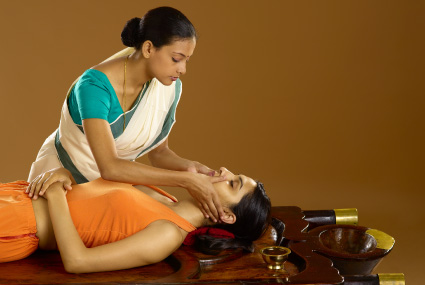
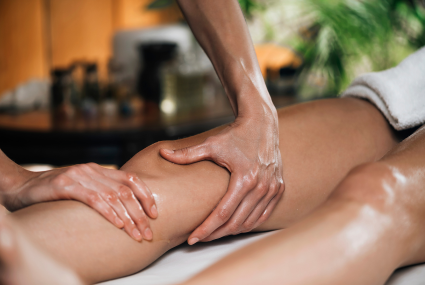
Deep Vein Thrombosis (DVT) is a condition where blood clots form in deep veins, usually in the legs, causing pain, swelling, and potential complications like pulmonary embolism. Ayurveda approaches DVT by balancing Vata and Kapha doshas, which influence circulation and clot formation. Therapies such as Abhyanga (therapeutic oil massage), Svedana (herbal steam therapy), and specialised blood-purifying herbs help enhance circulation and reduce stagnation. Internal medications strengthen blood vessels and improve metabolic activity. A personalised diet, lifestyle modifications, and gentle yoga are integrated to support long-term vascular health and prevent recurrence under expert medical supervision.
Epilepsy
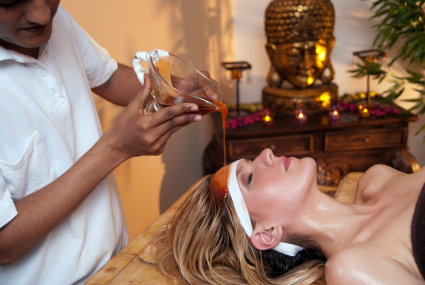
Epilepsy, characterized by recurrent seizures due to abnormal brain activity, is approached in Ayurveda as Apasmara, caused by imbalances in the doshas—especially Vata and Pitta—and disturbed mental faculties. Ayurveda focuses on stabilizing the nervous system with herbal formulations like Brahmi, Ashwagandha, and Shankhpushpi, known for their neuroprotective effects. Panchakarma therapies help detoxify and balance bodily energies, while practices like yoga, meditation, and pranayama enhance mental calmness and neurological health. Along with tailored diets and lifestyle modifications, this comprehensive approach aims to reduce seizure occurrences, improve mental clarity, and support long-term well-being.
Skin Diseases In Children
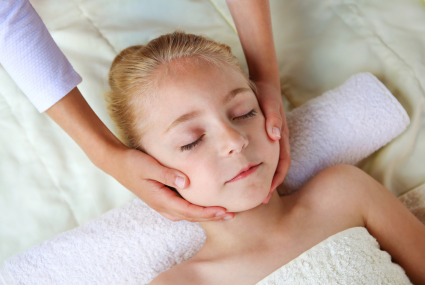
Skin diseases in children, such as eczema, dermatitis, and fungal infections, are often caused by imbalances in the Pitta and Kapha doshas, along with digestive disturbances. Ayurveda addresses these conditions through a holistic approach that includes internal detoxification with mild Panchakarma suited for children, herbal medications with anti-inflammatory and antimicrobial properties, and topical applications of medicated oils and pastes. Dietary modifications are emphasized to improve digestion and immunity. This natural, side-effect-free treatment not only soothes the skin but also strengthens the child’s overall health, ensuring long-term relief and prevention of recurrences.
Treatment For Diabetes
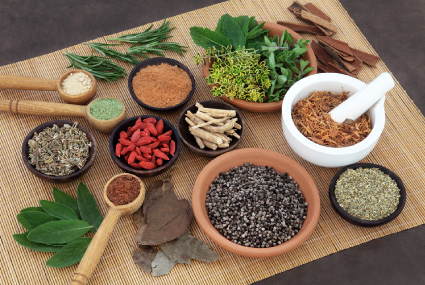
Central to this approach is understanding diabetes as an imbalance of bodily energies, or doshas, particularly Vata, Pitta, and Kapha. By harmonizing these doshas through specific dietary choices, lifestyle adjustments, herbal remedies, and therapeutic practices, Ayurveda aims to not only manage blood sugar levels but also rejuvenate the entire system. Dietary recommendations in Ayurveda for diabetes involve consuming whole, nutrient-dense foods that are low in sugar and carbohydrates while being rich in fiber. Bitter foods, such as bitter melon and bitter gourd, are often emphasized for their potential to lower blood sugar levels. Additionally, incorporating spices like turmeric, cinnamon, and fenugreek into meals may offer benefits in managing diabetes. Herbal supplements play a significant role in Ayurvedic treatment plans for diabetes. Plants such as fenugreek seeds, Indian gooseberry (amla), holy basil (tulsi), and gurmar (Gymnema sylvestre) are known for their potential to support glucose metabolism and insulin sensitivity. These herbs are often used in various formulations or as standalone remedies, depending on the individual's constitution and specific needs. Lifestyle modifications are integral to Ayurvedic diabetes management. Regular physical activity, including yoga and other gentle exercises, helps improve insulin sensitivity and promote overall well-being. Stress management techniques, such as meditation and deep breathing exercises, are also emphasized, as stress can significantly impact blood sugar levels. Ayurvedic treatments for diabetes prioritize addressing the root cause of the condition rather than merely alleviating symptoms. By restoring balance to the body and mind, Ayurveda aims to enhance the body's innate healing capacity and improve the quality of life for individuals living with diabetes. However, it's essential for individuals to work closely with qualified Ayurvedic practitioners to personalize treatment plans and monitor progress effectively.
Pilonidal Sinus
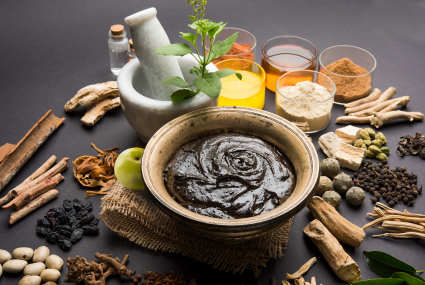
Pilonidal Sinus is a small cyst or abscess that forms near the tailbone, often due to hair growth, friction, or infection. In Ayurveda, it is compared to Nadi Vrana, a sinus tract requiring cleansing and debridement. Treatments include internal herbal medications to purify the blood and reduce infection, while external therapies like ksharasutra (medicated thread application) help excise and heal the tract. Ayurveda also emphasizes dietary adjustments to improve digestion and immunity, along with personalized care to prevent recurrence. This natural, minimally invasive approach ensures effective healing and sustained relief.
Adenomyosis
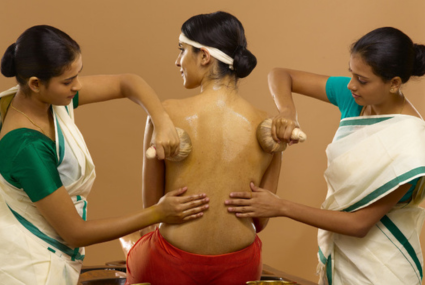
Adenomyosis is a gynaecological condition where endometrial tissue grows into the uterine muscle, causing painful periods, heavy bleeding, and bloating. In Ayurveda, it is often associated with an imbalance in Vata and Pitta doshas leading to disturbed menstrual health. Treatment involves Panchakarma therapies like Virechana (purification), Basti (medicated enema), and local treatments to detoxify the body and reduce inflammation. Herbal formulations such as Ashokarishta, Shatavari, and Lodhra help balance hormones and strengthen reproductive tissues. A tailored diet, yoga, and stress management techniques are integrated to restore hormonal equilibrium and improve uterine health, providing natural and long-term relief from adenomyosis symptoms
Treatment For Facial Paralysis
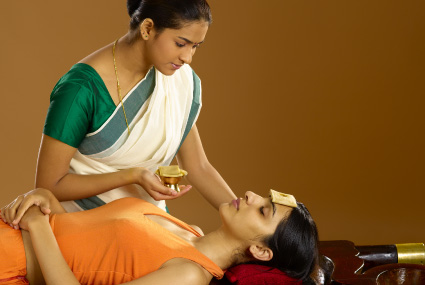
Ayurveda, an ancient Indian system of medicine, offers a holistic approach to address this condition. Ayurvedic treatments for facial paralysis typically involve a combination of therapies aimed at restoring balance to the body's doshas (bioenergies) and rejuvenating the affected nerves and muscles. Central to Ayurvedic treatment is the identification of the individual's unique constitution, or Prakriti, and the underlying imbalances contributing to the condition. Herbal remedies, such as Ashwagandha, Brahmi, and Shatavari, may be prescribed to strengthen nerves and promote healing. Additionally, specialized massages with medicated oils, known as Abhyanga, help improve blood circulation and stimulate nerve function. Panchakarma, a detoxification therapy, may also be recommended to eliminate toxins believed to exacerbate facial paralysis. This comprehensive approach addresses not only the physical symptoms but also the emotional and psychological aspects of the condition, promoting overall well-being and faster recovery. Furthermore, dietary and lifestyle modifications, including stress management techniques and yoga, are often integrated into the treatment plan to support long-term healing and prevent recurrence. While Ayurvedic treatments for facial paralysis offer promising outcomes, individual responses may vary, and it is crucial to consult with a qualified Ayurvedic practitioner for personalized care and guidance.
Parkinson’s Disease
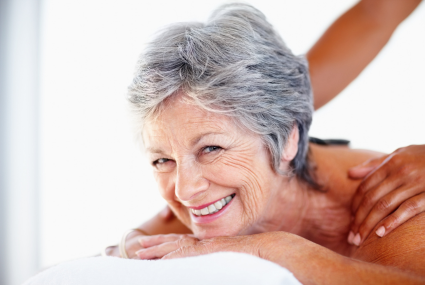
Parkinson’s disease, known as Kampavata in Ayurveda, is a neurodegenerative disorder characterised by tremors, stiffness, slow movements, and impaired coordination, primarily caused by aggravated Vata dosha affecting the nervous system. Ayurveda offers a comprehensive treatment approach involving therapies such as Abhyanga (oil massage), Shirodhara (medicated oil streaming on the forehead), and Panchakarma therapy such as Basti (medicated enemas) to nourish nerves and balance Vata. Herbal formulations like ashwagandha, kapikacchu, and brahmi support nerve regeneration and cognitive functions. Alongside therapies, a Vata-pacifying diet, yoga, and meditation are recommended to enhance motor control, reduce symptoms, and improve the patient’s quality of life.
Post Pregnancy Health Programme
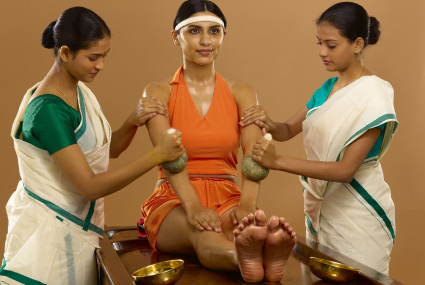
Drawing from ancient Ayurvedic wisdom, this program focuses on restoring balance to the body and mind, promoting healing, and enhancing overall well-being. Through a comprehensive approach, the program addresses specific postpartum concerns such as fatigue, hormonal imbalances, stress, and digestive issues. It includes traditional Ayurvedic therapies, dietary recommendations, gentle exercises, and lifestyle adjustments tailored to meet the individual needs of each mother. Key components of the program include Ayurvedic consultations to assess the individual's constitution and health status, therapeutic treatments such as warm oil massages and herbal steam therapy, dietary guidance based on Ayurvedic principles, herbal supplements to support healing and vitality, lifestyle recommendations for holistic well-being, and ongoing support and adjustments as needed. Overall, the post-pregnancy Ayurvedic health program offers a holistic and nurturing approach to postpartum care, empowering new mothers to restore their vitality, balance, and strength as they embrace the challenges and joys of motherhood." Post Pregnancy Ayurvedic Health Program | Wellness Loka Revitalize post-pregnancy health with our Ayurvedic program. Restore balance naturally. Join now!
Fissure-in-Ano
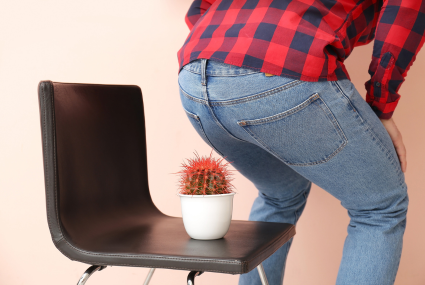
Fissure-in-Ano is a painful condition characterized by a tear in the anal canal lining, often caused by constipation, hard stools, or strain during bowel movements. Ayurveda attributes it to aggravated Vata and Pitta doshas leading to dryness and inflammation. Treatment focuses on softening stools with herbal formulations like Avipathi Choornam and Triphala, applying soothing oils and ointments to aid healing, and performing local therapies such as sitz baths with medicated decoctions. Internal cleansing, diet rich in fiber, and Panchakarma therapies help restore digestive balance and prevent recurrence, providing a comprehensive and natural approach to long-term relief.

Autism
Autism Spectrum Disorder (ASD) is a neurodevelopmental condition characterized by challenges in communication, social interaction, and repetitive behaviors. In Ayurveda, it is associated with imbalances in Vata and Pitta doshas, affecting neurological and metabolic functions. Ayurvedic treatments include Panchakarma therapies such as Snehana (oleation), Swedana (fomentation), and Nasya (nasal medication) to detoxify and balance the nervous system. Medicated ghee preparations, herbs like Brahmi, Shankhpushpi, and Ashwagandha, along with tailored diets, support brain development and improve behavior. Combined with yoga, meditation, and sensory integration therapies, Ayurveda aims to enhance cognitive functions, emotional regulation, and social adaptability in children with autism.
Treatment For Skin Diseases
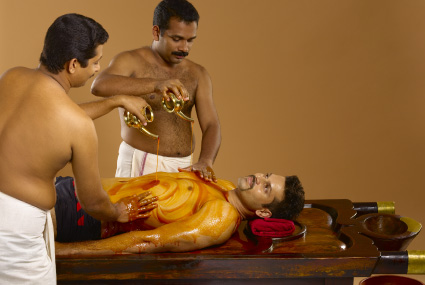
In Ayurveda, skin conditions are often seen as signs of internal imbalance, particularly involving the Pitta and Kapha doshas. Ayurvedic treatment focuses on addressing the root causes rather than only the visible symptoms. By assessing an individual’s Prakriti (body constitution), lifestyle, and health status, practitioners design personalised treatments that may include herbal formulations, dietary guidance, and therapeutic procedures. In certain cases, cleansing therapies such as Panchakarma may also be recommended to support internal purification. Through this holistic approach, Ayurveda aims to promote healthier skin while restoring balance and overall wellbeing.
Varicose Veins
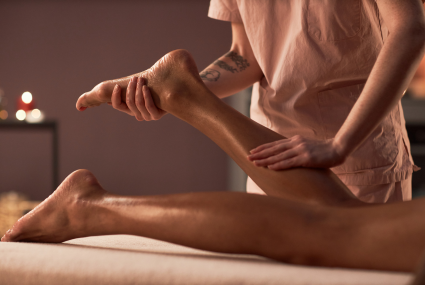
Varicose Veins are swollen, twisted veins often caused by poor blood circulation and valve dysfunction, leading to discomfort, heaviness, and visible bulging. Ayurveda views this as a Siraja Granthi, primarily linked to Vata and Kapha imbalance. Treatment includes herbal formulations to enhance circulation, reduce inflammation, and strengthen vein walls. Therapies like Abhyanga (medicated oil massage), Lepanam (herbal paste application), and Rakthamokshanam(blood letting) support detoxification and vascular health. Lifestyle modifications, such as tailored diet, yoga, and leg elevation practices, are also recommended to prevent progression and maintain long-term relief.
Piles
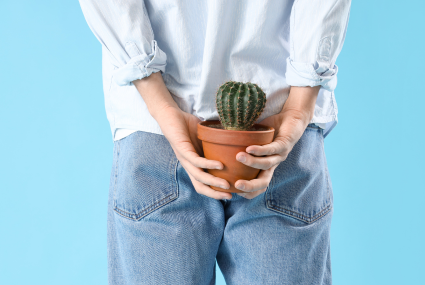
Piles, or hemorrhoids, are swollen veins in the rectum or anus that cause pain, bleeding, and discomfort during bowel movements. Ayurveda identifies the imbalance of Doshas, particularly Vata and Pitta, as contributing factors along with poor digestion and constipation. Treatment involves herbal medications like Triphala and Arshoghni Vati to improve digestion, soften stools, and reduce swelling. For advanced cases, Kshara Karma (alkaline therapy) and minimally invasive procedures like Ksharasutra are employed. Dietary guidance, lifestyle changes, and Panchakarma detox therapies further support healing, offering a comprehensive and natural solution to manage and prevent Piles effectively.

Treatment For Back Pain
Central to Ayurveda is the concept of balance and harmony within the body, achieved through a combination of natural remedies, lifestyle adjustments, and therapeutic practices. Herbal remedies play a significant role in Ayurvedic treatment for back pain. Various herbs and botanicals with anti-inflammatory and analgesic properties are utilized to reduce swelling, alleviate muscle tension, and relieve pain. These may include substances such as ginger, turmeric, ashwagandha, and guggulu, which have been used for centuries to support musculoskeletal health and promote overall well-being. Dietary modifications are another essential aspect of Ayurvedic therapy for back pain. Recommendations typically involve consuming foods that possess anti-inflammatory properties while avoiding those that can contribute to inflammation and aggravate discomfort. Additionally, emphasis is placed on maintaining proper digestion and eliminating toxins from the body, as digestive health is closely linked to overall wellness in Ayurveda. Incorporating lifestyle adjustments is integral to the Ayurvedic approach to managing back pain. This may involve adopting correct posture habits, engaging in regular physical activity to strengthen the back muscles and improve flexibility, and implementing stress-reducing practices such as meditation and deep breathing exercises. By addressing the root cause of back pain through lifestyle modifications, Ayurveda aims to prevent future occurrences and promote long-term relief. Ayurvedic therapies offer a range of specialized treatments tailored to individuals experiencing back pain. These may include Panchakarma detoxification procedures to cleanse the body of accumulated toxins, as well as therapeutic massages using specific herbal oils to soothe sore muscles, improve circulation, and promote relaxation. Yoga and meditation are also commonly prescribed as part of Ayurvedic therapy, offering gentle yet effective methods to alleviate tension, restore balance, and enhance overall spinal health. In essence, Ayurvedic treatment for back pain provides a holistic and personalized approach that addresses the interconnectedness of the body, mind, and spirit. By restoring harmony within the individual, Ayurveda not only offers relief from back pain but also fosters a state of optimal health and well-being.
Anxiety And Stress Management
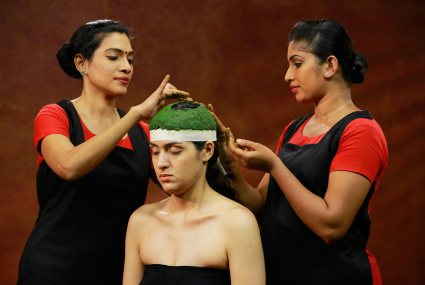
Anxiety and stress, common byproducts of modern living, disturb the body's doshic balance, especially Vata. Ayurveda addresses these conditions holistically by combining therapies that soothe the nervous system and calm the mind. Panchakarma therapies to cleanse the body and mind,treatments like Shirodhara (oil pouring on the forehead), Abhyanga (herbal oil massage), and Nasya (nasal administration) are used to pacify Vata and Pitta. Herbal formulations like Ashwagandha, Brahmi, and Jatamansi support mental clarity and reduce anxiety. Yoga, meditation, and pranayama are integrated to promote mindfulness and relaxation. Dietary adjustments also ensure sattvic nourishment, collectively creating lasting mental peace and emotional resilience.

Fistula-In-Ano
Fistula-in-Ano is a chronic condition characterized by an abnormal connection between the anal canal and skin, causing pain, discharge, and infection. Ayurveda addresses this through the renowned Ksharasutra therapy, where a medicated thread is inserted into the fistulous tract to promote healing by gradually cutting and draining it while stimulating tissue regeneration. Complementary herbal formulations help reduce infection, inflammation, and aid digestion to prevent constipation, which can aggravate the condition. Panchakarma detoxification and dietary regulations further support healing and prevent recurrence, providing a minimally invasive, effective, and sustainable solution in Ayurveda for Fistula-in-Ano.
Infertility
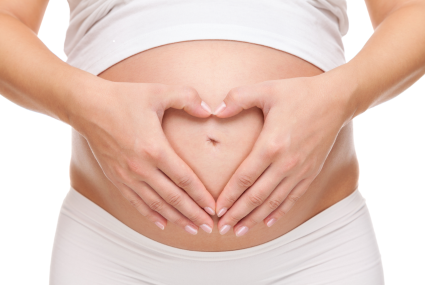
Infertility, the inability to conceive after prolonged attempts, can stem from factors like hormonal disorders, lifestyle stress, or imbalances in reproductive health. Ayurveda views infertility as an imbalance in doshas, primarily Vata and Pitta, affecting the Shukra Dhatu (reproductive tissues). Treatments involve Panchakarma detox therapies to cleanse toxins, improve metabolism, and rejuvenate the reproductive system. Herbal medicines such as Ashwagandha, Shatavari, and Gokshura support hormonal regulation and vitality. A customized diet, yoga, and stress-relief practices further enhance fertility. This holistic approach helps optimize reproductive function, increasing the chances of natural conception.
Eye Care
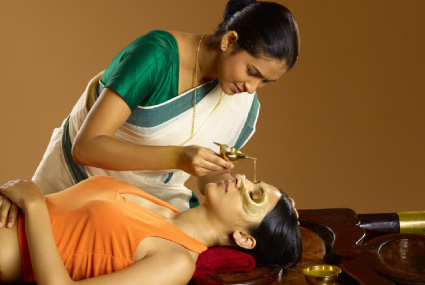
Rooted in the ancient principles of Ayurveda, these centers provide a holistic approach that delves into the interconnectedness of the body, mind, and spirit. Central to Ayurvedic eye care is the recognition of individual constitution, known as doshas, and their influence on ocular health. Through in-depth consultations, practitioners identify imbalances and tailor treatments to restore equilibrium, aiming not just to alleviate symptoms but to address underlying causes. Herbal remedies hold a prominent place in Ayurvedic eye care, with formulations meticulously crafted to nourish and rejuvenate delicate eye tissues. From triphala eye washes to ghee-based treatments, these natural remedies offer gentle yet potent solutions for conditions ranging from dry eyes to inflammation and beyond. Moreover, Ayurvedic centers offer specialized therapies that have been refined over centuries to target specific eye ailments. Techniques like Netra Tarpana, involving the retention of medicated oils in the eyes, and Netra Basti, which employs dough dams to hold therapeutic liquids over the eyes, exemplify the nuanced approach taken to restore ocular vitality. Beyond treatments, Ayurvedic eye care emphasizes the role of lifestyle modifications and dietary adjustments in promoting long-term eye health. By advocating for practices such as proper nutrition, eye exercises, and stress management, these centers empower individuals to actively participate in their healing journey and maintain optimal vision. In essence, Ayurvedic centers for eye care offer a harmonious fusion of ancient wisdom and modern understanding, providing a comprehensive framework for nurturing and preserving the precious gift of sight.
Chronic Ulcers
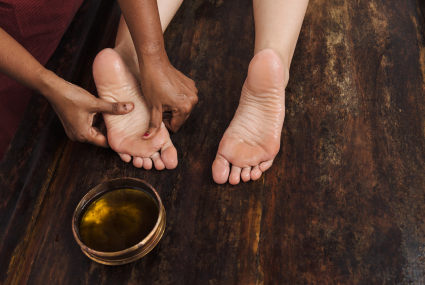
Chronic ulcers are persistent, non-healing wounds often caused by poor circulation, diabetes, or infection. In Ayurveda, they are identified as Dushta Vrana—ulcers formed due to vitiation of Doshas and accumulation of toxins (Ama). The Ayurvedic approach combines internal herbal medications to purify the blood, strengthen immunity, and promote tissue regeneration. External treatments like medicated oil dressings, herbal pastes, and specialized therapies aid in cleansing and healing the wound. Along with personalized dietary guidelines to improve digestion and metabolism, lifestyle modifications are prescribed to enhance circulation and overall vitality, ensuring long-term healing and ulcer prevention.
Sports Injuries
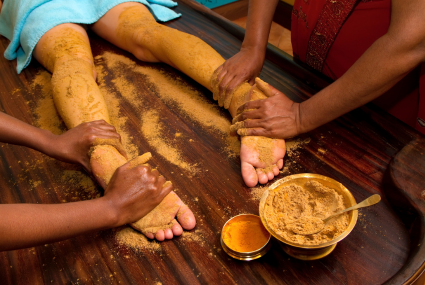
Sports injuries, including sprains, strains, muscle tears, and joint issues, are common among athletes and physically active individuals. Ayurveda treats these conditions by addressing inflammation, pain, and tissue damage through therapies like Abhyanga (herbal oil massage), Pizhichil, Upanaham,Kizhi, and Marma therapy. Herbal formulations such as Ashwagandha, Shallaki, and Guggulu help strengthen muscles and ligaments, while Panchakarma therapies aid in detoxification and faster healing. Customized yoga and physiotherapy improve flexibility and prevent re-injury. Ayurveda's holistic approach not only accelerates recovery but also enhances overall stamina and performance for long-term physical well-being.
Occupational & Lifestyle Disorders
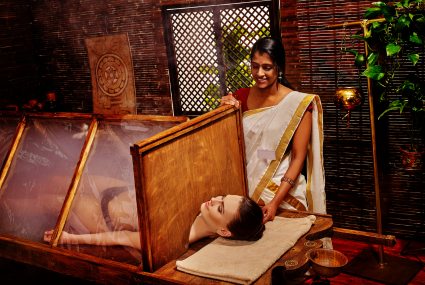
Occupational and Lifestyle Disorders arise from sedentary habits, poor posture, stress, irregular diets, and overexposure to screens. Conditions like obesity, hypertension, diabetes, back pain, and insomnia are common outcomes. Ayurveda addresses these by identifying aggravated doshas and implementing Panchakarma therapies for detoxification. Herbal formulations, along with individualized diets based on body constitution, help correct metabolic issues. Yoga and meditation practices are prescribed to improve flexibility, posture, and mental resilience. Lifestyle counselling encourages sustainable habits, ensuring long-term relief and prevention. This comprehensive approach not only treats existing disorders but also promotes a balanced, healthier way of living.
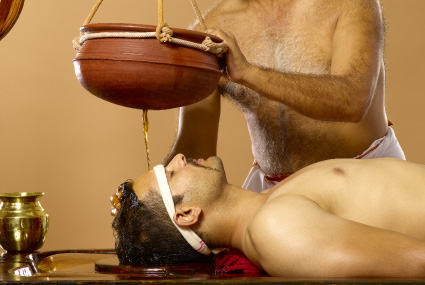
Treatment For Hypertension
Ayurvedic treatment for hypertension emphasizes lifestyle modifications, dietary changes, herbal remedies, and stress management techniques. In Ayurveda, hypertension is understood as an imbalance of the doshas, particularly Vata and Pitta. Treatment aims to restore harmony within the body and mind. Dietary recommendations include reducing intake of salty, spicy, and oily foods while favoring fresh fruits, vegetables, whole grains, and herbs like garlic, ginger, and turmeric. Herbal remedies play a significant role in Ayurvedic treatment for hypertension. Commonly used herbs include Arjuna, Brahmi, Ashwagandha, Shankhpushpi, and Jatamansi, known for their calming and blood pressure-regulating properties. These herbs are often prescribed in formulations tailored to individual needs. Ayurveda also emphasizes lifestyle modifications such as regular exercise, yoga, and meditation to reduce stress and promote overall well-being. Adequate rest and proper sleep are considered essential for maintaining healthy blood pressure levels. Additionally, Ayurvedic therapies like Shirodhara (pouring of medicated oils on the forehead), Abhyanga (therapeutic massage), and Nasya (nasal administration of herbal oils) may be recommended to alleviate stress and enhance relaxation. It's important to note that Ayurvedic treatment for hypertension should be undertaken under the guidance of a qualified Ayurvedic practitioner, in conjunction with regular monitoring of blood pressure levels and consultation with a healthcare provider. Integrating Ayurvedic principles into one's lifestyle can complement conventional medical approaches and contribute to the management of hypertension effectively.
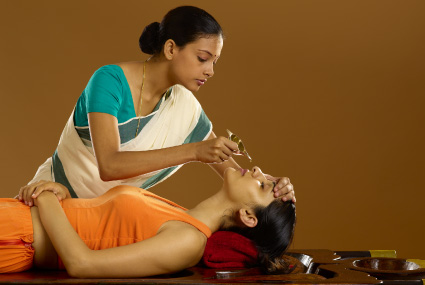
Treatment For Migraine
In Ayurveda, migraine is viewed as a result of imbalances in Pitta and Vata Doshas, often triggered by poor digestion, stress, irregular lifestyle, or accumulation of toxins (Ama). Ayurvedic treatment for migraine involves a holistic approach that combines detoxification therapies like Nasya (nasal administration of medicated oils), Shirodhara (oil streaming on the forehead), and Abhyanga (therapeutic massage) to soothe the nervous system. Herbal formulations, a cooling Pitta-pacifying diet, yoga, and meditation are also recommended to reduce the frequency and severity of migraine episodes while supporting long-term relief and mental clarity.
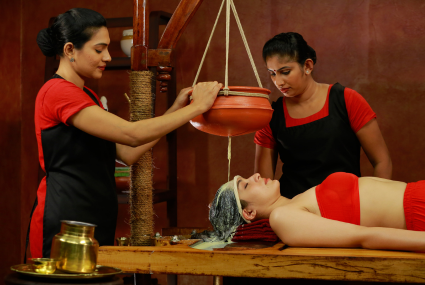
Sleep Disorders
Sleep disorders, including insomnia, disturbed sleep, and irregular sleep patterns, are often caused by imbalances in the Vata or Pitta doshas, stress, anxiety, or improper routines. Ayurveda provides a holistic solution through personalized treatments that combine herbal medicines like Ashwagandha, Brahmi, and Jatamansi, known for their calming and restorative properties. Therapies such as Shirodhara, Abhyanga, and Nasya help soothe the nervous system, while tailored diet, daily routines (Dinacharya), and yoga improve overall mind-body balance. This comprehensive approach promotes healthy, uninterrupted, and rejuvenating sleep naturally
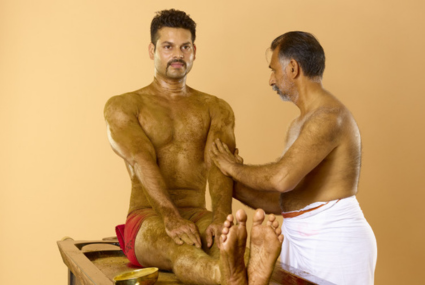
Kidney Disease
Kidney diseases often result from toxin accumulation, poor metabolism, or chronic conditions like diabetes and hypertension. Ayurveda identifies imbalances in the body's doshas, particularly Kapha and Vata, as contributing factors to renal dysfunction. Treatments focus on cleansing therapies such as Panchakarma to eliminate toxins, along with herbal formulations like Punarnava, Gokshura, and Varuna to strengthen kidney function and reduce fluid retention. A kidney-friendly Ayurvedic diet and lifestyle adjustments are prescribed to minimise stress on the kidneys. These integrative therapies help slow disease progression, alleviate symptoms, and improve overall vitality and well-being
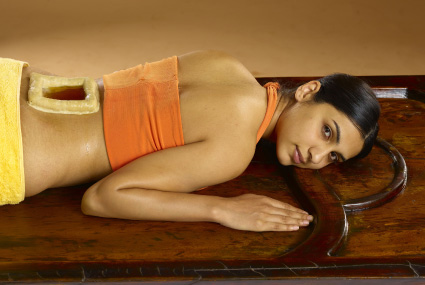
Spine Care Program
The Spine Care Program in Ayurveda is designed to address chronic back pain, cervical and lumbar spondylosis, sciatica, and disc degeneration by targeting the root cause of imbalance in the body. Treatments like Kati Basti, Pizhichil, Njavarakizhi, and Abhyanga help relieve pain, reduce stiffness, and improve spinal flexibility. These therapies are combined with herbal medications, internal detoxification, yoga postures, and a corrective diet to rejuvenate spinal nerves and strengthen musculoskeletal support. Ayurvedic spine care not only alleviates symptoms but also helps prevent recurrence, making it a safe and sustainable alternative to invasive treatments or long-term dependency on painkillers.
Post Covid Care
Post-COVID recovery often leaves individuals fatigued, with lingering respiratory issues, weakened immunity, and mental stress. Ayurveda addresses these through a holistic healing approach that revitalizes the body and mind. Treatments include Rasayana therapies to boost immunity and restore vitality, Panchakarma detoxification to eliminate toxins, and breathing techniques like Pranayama to enhance lung function. Herbal formulations such as Ashwagandha, Guduchi, and Chyawanprash help rebuild strength. Tailored diets, yoga, and meditation further support emotional well-being and energy restoration, ensuring complete rehabilitation and protection against future illnesses.
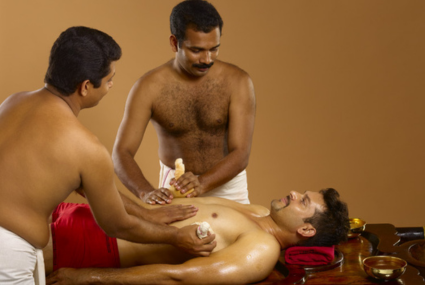
Diabetes Mellitus
Diabetes Mellitus, known as "Madhumeha" in Ayurveda, is a metabolic disorder characterised by elevated blood sugar levels due to impaired insulin function or secretion. Ayurveda attributes this condition to imbalances in Kapha and Vata doshas and poor digestive fire (Agni), leading to toxin accumulation. Treatment focuses on detoxifying the body with Panchakarma therapies, including Vamana (emesis) and Virechana (purgation). Herbal remedies like Gudmar, Vijaysar, and turmeric help regulate glucose metabolism. A customised diet, low in sugar and carbohydrates, alongside yoga and pranayama, supports insulin sensitivity and weight management. This comprehensive approach helps prevent complications and promotes overall health and vitality