
Osteoporosis
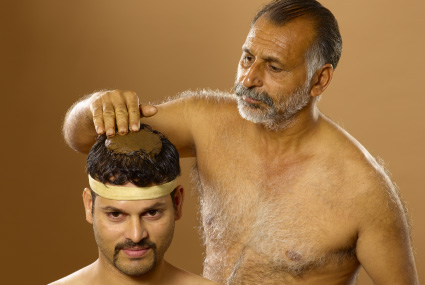
Osteoporosis is a long-term condition characterized by decreased bone density and deterioration of bone tissue, making bones fragile and more likely to break. It often develops slowly and may not show symptoms until a fracture occurs. The most commonly affected areas include the spine, hips, and wrists. Common signs and symptoms may include back pain, loss of height over time, stooped posture, and fractures that occur more easily than expected. Risk factors include aging, hormonal changes (especially after menopause in women), poor calcium and vitamin D intake, lack of physical activity, smoking, and long-term use of certain medications. In Ayurveda, osteoporosis is generally related to the depletion of Asthi Dhatu (bone tissue) and aggravation of Vata dosha. When digestion and metabolism (Agni) are weak, proper nourishment of body tissues does not occur, leading to gradual weakening of the bones. Ayurvedic management focuses on nourishing and strengthening the bones, improving digestion and nutrient absorption, and balancing Vata. Treatment may include a nutrient-rich diet with adequate calcium and minerals, strengthening herbal formulations, and lifestyle practices that support bone health. Therapies such as Abhyanga (medicated oil massage) help nourish the tissues and calm Vata, while Swedana (therapeutic sweating) helps improve circulation. Basti (medicated enema therapy) is considered one of the most effective treatments for balancing Vata and supporting bone health. Gentle weight-bearing exercises, yoga, sunlight exposure, and proper rest also play an important role in maintaining bone strength and preventing further bone loss.

Radiculopathy
Radiculopathy occurs when a nerve root in the spine is compressed or irritated due to herniated discs, spinal degeneration, osteophytes (bone spurs), or inflammation. This leads to symptoms along the nerve’s distribution in the arms or legs. Common symptoms include sharp or shooting pain radiating from the neck or lower back to the arm or leg, numbness, tingling, muscle weakness, reduced reflexes, and difficulty performing certain movements. Pain may worsen with activity, prolonged sitting, or bending. Risk factors include aging, poor posture, heavy lifting, obesity, spinal injuries, repetitive stress, and sedentary lifestyle. In Ayurveda, radiculopathy is understood as a Vata Vyadhi affecting Majja Dhatu and Snayu, leading to nerve dysfunction, stiffness, and pain. Accumulation of Ama (toxins) and depletion of tissues (Dhatu Kshaya) contribute to chronic discomfort and impaired nerve conduction. Ayurvedic management focuses on balancing Vata, relieving nerve compression, nourishing nerves and muscles, and reducing inflammation. Vasti (Medicated Enema Therapy) is highly effective for pacifying aggravated Vata and supporting spinal and nerve health. External therapies include: Abhyanga (medicated oil massage) along the spine and limbs to improve circulation and reduce stiffness Pizhichil and Shashtika Shali Pinda Sweda (Njavarakizhi) for nourishment and pain relief Svedana (steam therapy) to reduce muscle spasm and inflammation Internal herbal support which help reduce inflammation, strengthen muscles, and support nerve regeneration. Diet should be warm, nourishing, and easy to digest, with emphasis on Vata-pacifying foods like ghee, milk, soups, and light meals. Avoid cold, dry, and processed foods that aggravate Vata. Lifestyle modifications include proper posture, gentle stretching, physiotherapy, avoidance of prolonged sitting or heavy lifting, stress management, and gradual strengthening exercises. This holistic Ayurvedic approach helps in reducing pain, improving mobility, nourishing nerves and muscles, and enhancing overall spinal and nerve health in radiculopathy patients.
Periarthritic Shoulder
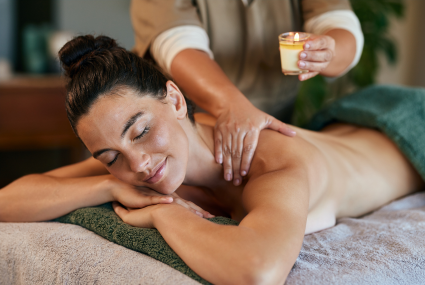
Periarthritic Shoulder, also called Frozen Shoulder, is a condition in which the shoulder joint becomes painful and stiff, gradually limiting its range of motion. The condition develops when the capsule surrounding the shoulder joint becomes inflamed and thickened, restricting normal movement. Common symptoms include persistent shoulder pain, difficulty lifting the arm, stiffness in the shoulder joint, and limited ability to perform daily activities such as combing hair, dressing, or reaching overhead. The pain may worsen at night or during certain movements. Risk factors may include prolonged immobility of the shoulder, injury, diabetes, aging, or previous shoulder problems. The condition usually develops gradually and may progress through stages of increasing pain and stiffness before slowly improving. In Ayurveda, this condition is often correlated with Avabahuka, a disorder caused by aggravation of Vata dosha affecting the shoulder joint and surrounding tissues. Increased Vata can cause dryness, stiffness, restricted movement, and pain in the joint. Ayurvedic management focuses on balancing Vata, improving joint lubrication, and restoring mobility in the shoulder. Treatment may include warm and nourishing diet practices, herbal medicines, and therapies aimed at reducing stiffness and strengthening the joint. Therapies such as Abhyanga (medicated oil massage) help nourish and relax the muscles, while Swedana (therapeutic sweating) helps relieve stiffness and improve circulation. Basti (medicated enema therapy) is often recommended to balance Vata. Local treatments and gentle physiotherapy or stretching exercises may also be advised to gradually improve shoulder mobility and reduce discomfort.
Mechanical Back Syndrome
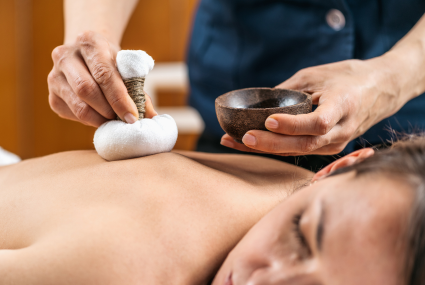
Mechanical Back Syndrome refers to back pain that arises from problems in the muscles, ligaments, joints, or discs of the spine rather than from a serious underlying disease. It is one of the most common causes of back pain and can affect people of all ages, especially those with sedentary lifestyles or occupations involving prolonged sitting or heavy physical work. Common symptoms include localized pain in the lower or middle back, muscle stiffness, difficulty bending or twisting, and discomfort that worsens with movement or prolonged sitting. The pain often improves with rest or gentle movement but may return if the underlying strain or posture problem is not corrected. Factors that may contribute to this condition include poor posture, muscle strain, improper lifting techniques, prolonged sitting, lack of physical activity, and stress on the spinal structures. In Ayurveda, back pain conditions such as this are often related to Vata imbalance, particularly affecting the lower back region. Aggravated Vata can lead to dryness, stiffness, and pain in the muscles and joints of the spine. Ayurvedic management focuses on calming Vata, relaxing the muscles, improving circulation, and strengthening the spine. Treatment may include warm and nourishing foods, herbal medicines that support musculoskeletal health, and lifestyle practices that improve posture and spinal alignment. Therapies such as Abhyanga (medicated oil massage) help relax muscles and nourish tissues, while Swedana (therapeutic sweating) helps reduce stiffness and improve circulation. Basti (medicated enema therapy) is considered one of the most effective therapies for balancing Vata and supporting spinal health. Additional treatments such as Kati Basti (localized oil therapy for the lower back), gentle yoga, stretching exercises, and posture correction may also help relieve pain and improve back strength and flexibility.
Sleep Apnea
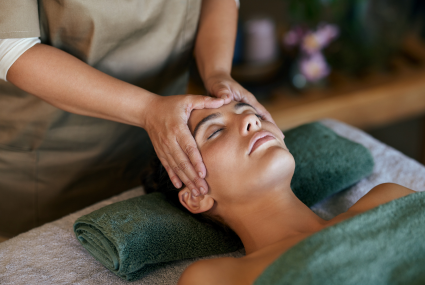
Sleep Apnea is a condition in which a person experiences repeated interruptions in breathing during sleep. These pauses can last for a few seconds to minutes and may occur multiple times throughout the night. The most common type is obstructive sleep apnea, where the airway becomes partially or completely blocked during sleep. Common symptoms include loud snoring, choking or gasping during sleep, frequent awakenings, morning headaches, dry mouth, poor concentration, irritability, and excessive daytime sleepiness. Despite spending enough time in bed, individuals often feel unrefreshed due to poor sleep quality. Risk factors include excess body weight, poor muscle tone in the throat, nasal congestion, smoking, alcohol consumption, and sleeping in improper positions. If left unmanaged, sleep apnea can increase the risk of high blood pressure, heart problems, and metabolic disorders. In Ayurveda, sleep disorders like sleep apnea are understood as disturbances involving Kapha dosha (causing obstruction and heaviness) along with Vata imbalance (affecting normal breathing patterns and nervous system regulation). Poor digestion, accumulation of toxins (Ama), and improper lifestyle habits may contribute to the condition. Ayurvedic management focuses on clearing airway obstruction, improving respiratory function, balancing doshas, and enhancing sleep quality. Treatment may include a light and easily digestible diet, weight management, herbal support, and lifestyle practices such as maintaining a regular sleep schedule and avoiding heavy meals at night. Supportive therapies such as Nasya (nasal therapy), Abhyanga (medicated oil massage), and Swedana (therapeutic sweating) may be recommended to improve circulation and reduce Kapha accumulation. Breathing exercises (Pranayama), yoga, and stress management techniques also play an important role in improving sleep quality and overall well-being.
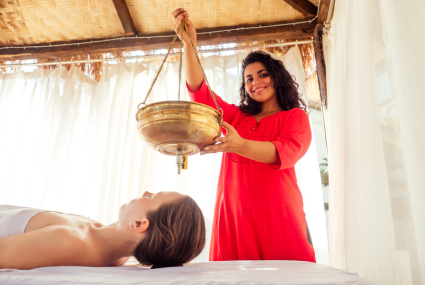
Lupus Erythematus Management
Lupus Erythematosus is a chronic condition that can affect multiple systems in the body. Common symptoms include skin rashes (especially over the face), joint pain, fatigue, fever, hair loss, and sensitivity to sunlight. In some cases, it may also affect organs like kidneys, heart, or lungs. From an Ayurvedic perspective, this condition is understood as a disorder involving Rakta Dhatu (blood tissue) along with imbalance of Pitta dosha (causing inflammation and heat) and Vata dosha (causing pain and systemic involvement). The immune system imbalance can be compared to Dhatu Dushti, where the body starts reacting against its own tissues. Improper diet, stress, exposure to heat, irregular routines, and weak digestion (Agni) contribute to the formation of Ama (toxins). These toxins mix with Rakta (blood) and circulate in the body, leading to inflammation, skin manifestations, and joint symptoms. Management in Ayurveda focuses on controlling inflammation, detoxifying the body, and restoring balance. A cooling and easily digestible diet is recommended to reduce Pitta. Avoiding triggers such as excessive sun exposure, spicy foods, and stress is very important. Detoxification therapies play a key role in management. Snehapanam (internal oleation therapy) helps mobilize toxins, followed by Virechanam (therapeutic purgation) which is especially effective in eliminating excess Pitta and purifying the blood. These therapies help reduce inflammation and control disease progression. Supportive treatments like Abhyanga (gentle medicated oil massage) help reduce joint pain and improve circulation. Shirodhara may be beneficial in reducing stress and calming the nervous system, which plays a role in autoimmune conditions. Long-term care includes strengthening the body through Rasayana (rejuvenation therapy), maintaining a healthy lifestyle, proper sleep, and stress management through yoga and meditation. With a consistent and well-guided Ayurvedic approach, symptoms can be managed effectively, flare-ups can be reduced, and overall quality of life can be improved.
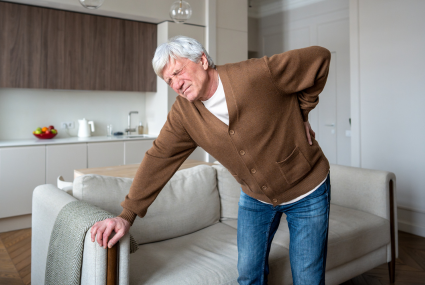
Ankylosing Spondylosis
Ankylosing Spondylosis is a long-term inflammatory condition that primarily affects the spine, especially the lower back and sacroiliac joints. It causes chronic pain and stiffness, particularly in the lower back and hips. The pain and stiffness are often more noticeable in the morning or after periods of rest and may improve with movement or exercise. As the condition progresses, inflammation may lead to gradual fusion of the vertebrae, reducing flexibility of the spine and sometimes causing a forward-bent posture. Some individuals may also experience pain in the shoulders, ribs, or hips, along with fatigue and reduced mobility. In Ayurveda, conditions affecting the spine and joints like Ankylosing Spondylosis are often understood as disorders related to Vata imbalance, sometimes associated with Ama (toxins) accumulating in the joints and spinal structures. This can lead to stiffness, restricted movement, inflammation, and pain. Ayurvedic management focuses on balancing Vata, reducing inflammation, improving joint flexibility, and strengthening the musculoskeletal system. Treatment may include anti-inflammatory and strengthening herbal medicines, a diet that supports digestion and reduces toxins, and lifestyle practices that maintain joint mobility. Therapies such as Abhyanga (medicated oil massage) help lubricate and relax the muscles and joints, while Swedana (therapeutic sweating) helps relieve stiffness and improve circulation. Basti (medicated enema therapy) is often recommended to balance Vata and support spinal health. Gentle yoga, stretching exercises, and posture correction practices can also help maintain flexibility and improve quality of life.
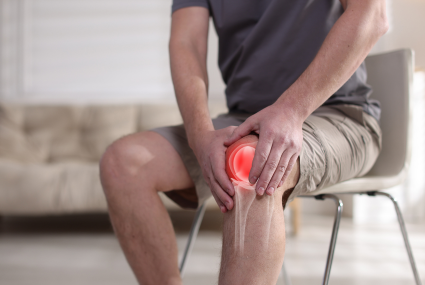
Osteo Arthritis
Osteoarthritis is a chronic joint disorder that occurs when the cartilage that cushions the ends of bones gradually breaks down. As the cartilage wears away, the bones may rub against each other, leading to pain, swelling, stiffness, and reduced flexibility in the affected joints. Common symptoms include joint pain during movement, stiffness especially after rest or in the morning, swelling around the joints, and a reduced range of motion. The knees, hips, hands, and spine are the joints most commonly affected. In some cases, people may also experience a cracking or grinding sensation during joint movement. Risk factors include aging, previous joint injuries, excess body weight, repetitive strain on joints, and genetic predisposition. Over time, osteoarthritis can affect daily activities such as walking, climbing stairs, or gripping objects. In Ayurveda, osteoarthritis is often understood as a condition related to Vata aggravation in the joints, sometimes referred to as Sandhivata. When Vata increases, it causes dryness, degeneration, and reduced lubrication within the joints, leading to pain and stiffness. Ayurvedic management focuses on balancing Vata, nourishing the joints, and improving joint mobility. Treatment may include a warm and nourishing diet, herbal medicines that support joint health, and lifestyle practices that maintain flexibility and reduce strain on joints. Therapies such as Abhyanga (medicated oil massage) help lubricate the joints and calm Vata, while Swedana (therapeutic sweating) helps relieve stiffness and improve circulation. Basti (medicated enema therapy) is considered particularly effective for balancing Vata and supporting joint health. Gentle exercises, yoga, and weight management can also help improve joint function and reduce discomfort.
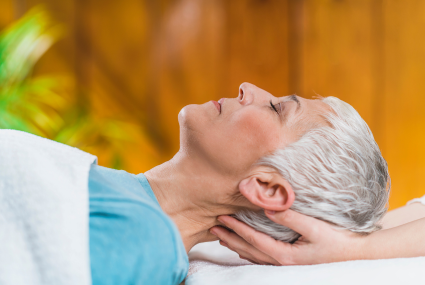
Geriatric Care
Geriatric care in Ayurveda focuses on supporting the health and well-being of the elderly by addressing age-related physical, mental, and emotional changes. The approach emphasizes Rasayana therapies, which rejuvenate tissues, improve immunity, and slow down the aging process. Treatments include herbal formulations, gentle Panchakarma detoxification, and therapies to manage joint pain, memory decline, digestion issues, and sleep disturbances. Customized diets, yoga, and meditation are integral in enhancing mobility, cognitive functions, and overall vitality. Ayurveda’s holistic approach helps seniors maintain independence, improve quality of life, and age gracefully with better resilience.
Myopia
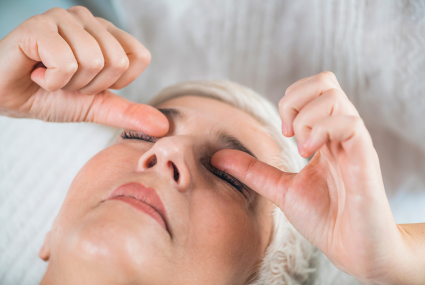
Myopia, or nearsightedness, is a common vision condition where distant objects appear blurred due to elongated eyeballs or weak eye muscles. Ayurveda views this as an imbalance in Pitta and Vata doshas affecting eye tissues. Treatments include Netra Tarpana (retaining medicated ghee over the eyes), herbal formulations like Triphala, eye exercises, and internal medications to nourish and strengthen the optic nerves. Dietary recommendations rich in antioxidants and lifestyle adjustments to reduce eye strain are also advised. This holistic approach aims to slow progression, enhance visual strength, and maintain overall ocular health naturally.
Treatment For Arthritis
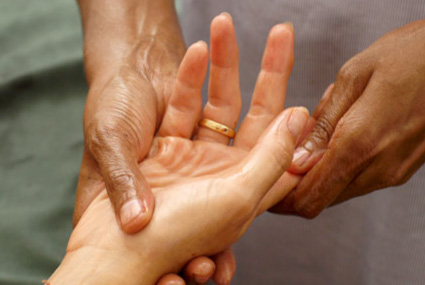
Herbal remedies play a central role in Ayurvedic treatments for arthritis and spondylitis. Medicinal herbs such as turmeric, ginger, boswellia, ashwagandha, and guggulu are renowned for their anti-inflammatory properties and ability to support joint health. These herbs can be consumed orally as powders, capsules, or teas, or applied topically in the form of oils or ointments. Dietary modifications are another cornerstone of Ayurvedic therapy. Emphasizing a diet that is warm, nourishing, and easily digestible, Ayurveda recommends avoiding foods that aggravate the doshas associated with arthritis and spondylitis, such as cold, dry, and processed foods. Including spices like cumin, coriander, and turmeric in cooking can also aid digestion and reduce inflammation. In addition to herbal remedies and dietary adjustments, Ayurvedic treatment often incorporates lifestyle modifications and therapeutic practices to promote overall well-being. Gentle exercises like yoga and tai chi can improve flexibility, strengthen muscles, and enhance joint mobility. Ayurvedic therapies such as Abhyanga (oil massage), Swedana (herbal steam therapy), and Basti (medicated enema) may also be recommended to detoxify the body, reduce pain, and restore balance. By addressing the interconnectedness of the mind, body, and spirit, Ayurvedic treatment for arthritis and spondylitis aims to not only alleviate physical discomfort but also to promote holistic healing and improve quality of life. However, it's important to consult with a qualified Ayurvedic practitioner to receive personalized guidance and ensure safe and effective treatment.
De-Addiction & Rehabilitation From Alcohol/Drugs/Tobacco
Are you or a loved one struggling to break free from the grip of addiction to alcohol, drugs, or tobacco? At WellnessLoka, we understand the challenges you face, and we're here to offer a supportive hand on your journey to recovery. Our De-Addiction and Rehabilitation Retreat is designed to provide a holistic approach to overcoming addiction and reclaiming your life. Located in a serene and peaceful environment, our retreat offers a safe haven where you can focus on your healing journey away from the pressures and triggers of everyday life. During your stay, you'll be guided by experienced professionals who specialize in addiction recovery. Our comprehensive program includes personalized therapy sessions, educational workshops, mindfulness practices, and holistic treatments aimed at addressing the physical, emotional, and spiritual aspects of addiction. At Wellness Loka, we believe in treating the whole person, not just the addiction. That's why our retreat also offers nutritious meals, physical activities, and opportunities for relaxation and reflection. We'll help you develop coping strategies, build healthy habits, and rediscover joy and purpose in life beyond addiction. Take the first step towards a brighter future. Join us at Wellness Loka and embark on a journey of healing, transformation, and renewal. Contact us today to learn more about our De-Addiction and Rehabilitation Retreat and start your path to recovery.

Revitalization & Strengthening Treatment For Cancer Patients (Not Cure)
Central to Ayurvedic philosophy is the concept of maintaining balance within the body's doshas—Vata, Pitta, and Kapha—which are believed to govern physiological functions. When these energies become imbalanced, it can predispose individuals to various ailments, including cancer. The Ayurvedic approach to cancer treatment involves personalized care, with treatments tailored to address the unique constitution of each individual as well as the specific characteristics of their cancer. Herbal remedies play a significant role, with formulations designed to bolster the body's natural defenses, inhibit tumor growth, and alleviate side effects of conventional cancer therapies such as chemotherapy and radiation. In addition to herbal medicines, dietary modifications form a cornerstone of Ayurvedic cancer care. Nutritional strategies are employed to support the body's detoxification processes, strengthen the immune system, and promote optimal digestion and absorption of nutrients. This often involves incorporating a variety of fresh fruits and vegetables, whole grains, lean proteins, and therapeutic spices into the diet while minimizing processed foods, refined sugars, and unhealthy fats. Ayurvedic treatments for cancer patients also extend beyond physical interventions to encompass mental and emotional well-being. Mind-body practices such as yoga, meditation, and pranayama (breathwork) are utilized to reduce stress, enhance relaxation, and cultivate a positive mindset. These practices not only help manage symptoms such as pain, fatigue, and anxiety but also contribute to overall resilience and inner harmony. Detoxification procedures known as Panchakarma may also be recommended as part of Ayurvedic cancer treatment to eliminate toxins from the body and restore balance to the doshas. These therapies, which may include oil massages, herbal steam baths, and cleansing enemas, are administered under the supervision of trained Ayurvedic practitioners to ensure safety and efficacy. While Ayurvedic treatment for cancer offers a holistic approach to care, it is essential for patients to integrate these therapies into their overall treatment plan in collaboration with their conventional healthcare providers. Open communication and a coordinated approach between Ayurvedic practitioners and oncologists can optimize outcomes and provide comprehensive support for individuals undergoing cancer treatment. Ultimately, Ayurveda seeks to empower cancer patients to actively participate in their healing journey and cultivate a sense of wholeness and vitality amidst the challenges of illness.
Treatment For Rheumatism
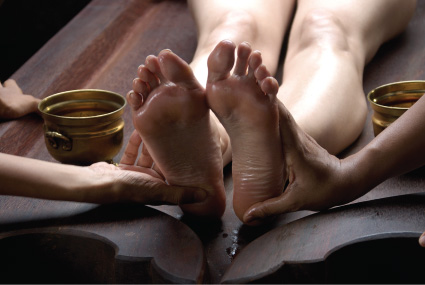
Ayurveda, an ancient system of medicine originating from India, offers a holistic approach to managing rheumatism. Ayurvedic treatment focuses on balancing the body's doshas (vata, pitta, and kapha), enhancing digestion, detoxification, and reducing inflammation. Herbal remedies such as ginger, turmeric, guggul, and ashwagandha are commonly prescribed to alleviate symptoms and improve joint mobility. Additionally, dietary modifications emphasizing warm, easily digestible foods and lifestyle practices such as yoga, meditation, and specific exercises tailored to the individual's constitution are integral parts of Ayurvedic management. Regular consultation with an experienced Ayurvedic practitioner is essential to personalize treatment plans and monitor progress effectively. While Ayurveda offers promising avenues for rheumatism management, individuals should always seek guidance from qualified healthcare professionals and integrate Ayurvedic practices alongside conventional medical care for optimal outcomes.
.jpg)
Psoriasis Treatment Program (Sidhma Chikilsa)
While conventional treatments aim to manage symptoms, Ayurveda offers a distinct approach, rooted in ancient wisdom and personalized care. Our Ayurvedic treatment program for psoriasis is tailored to each individual's unique constitution and imbalances. Through careful assessment, we identify the root causes of the condition, often linked to imbalances in the body's doshas—Vata, Pitta, and Kapha. By addressing these imbalances through a combination of dietary modifications, herbal supplements, detoxification techniques, and lifestyle adjustments, we strive to restore harmony within the body. Central to our approach is the use of specific herbs renowned for their anti-inflammatory, detoxifying, and immune-modulating properties. These natural remedies, combined with therapeutic massages and specialized skin treatments, target the underlying pathology of psoriasis while providing relief from symptoms such as itching, scaling, and redness. Moreover, our program emphasizes stress management techniques such as meditation, yoga, and breathing exercises, recognizing the intricate connection between mental well-being and skin health. By promoting relaxation and reducing stress levels, we aim to prevent flare-ups and support long-term healing. Our goal is not merely to alleviate symptoms but to foster holistic wellness, empowering individuals to take control of their health and lead fulfilling lives free from the constraints of psoriasis. Through our comprehensive Ayurvedic approach, we offer hope and healing to those seeking an alternative path to skin rejuvenation and overall well-being.
Treatment For Slip Disc
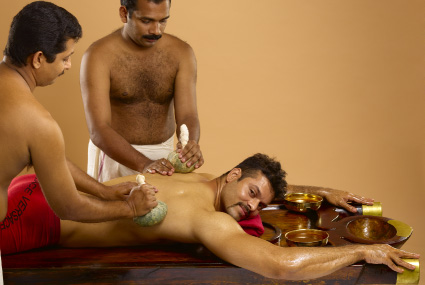
Central to Ayurvedic principles is the belief in restoring balance within the body to facilitate natural healing processes. Herbal medicines play a significant role, with formulations targeting pain relief, reducing inflammation, and strengthening the spine. These may include potent herbs like ashwagandha, guggulu, and shallaki, known for their anti-inflammatory and analgesic properties. Dietary modifications form another cornerstone, with emphasis on consuming foods that pacify aggravated doshas (energies) contributing to the slip disc condition. This often involves incorporating anti-inflammatory foods, warm and nourishing meals, and avoiding triggers such as processed foods and excess caffeine. Lifestyle adjustments are crucial, including maintaining proper posture, avoiding prolonged sitting or standing, and engaging in gentle exercises to promote spinal flexibility and strength. Ayurveda also advocates for stress management techniques like meditation and pranayama (breath control) to alleviate mental tension, which can exacerbate symptoms. Panchakarma, a series of detoxification procedures, may be recommended to rid the body of accumulated toxins and restore balance. Techniques such as basti (medicated enemas) and kati basti (localized oil therapy) are often employed to target the affected area directly, providing relief from pain and stiffness. External therapies like hot oil massages (abhyanga) with specific herbal oils tailored to the individual's constitution can help alleviate muscle tension and promote circulation to the affected area. Additionally, herbal poultices (kizhi) containing a blend of therapeutic herbs may be applied to the spine to reduce inflammation and promote tissue healing. Ayurvedic treatment for slip disc is not merely symptomatic but aims at addressing the underlying imbalances contributing to the condition. By fostering harmony within the body-mind system, Ayurveda seeks to not only alleviate immediate discomfort but also prevent recurrence and promote overall well-being. It's essential for individuals considering Ayurvedic treatment to consult with a qualified practitioner who can tailor a holistic regimen suited to their unique needs and constitution.